Hudson Yards Elevator Shaft Fall: Understanding Your Legal Rights Under New York's Scaffold Law
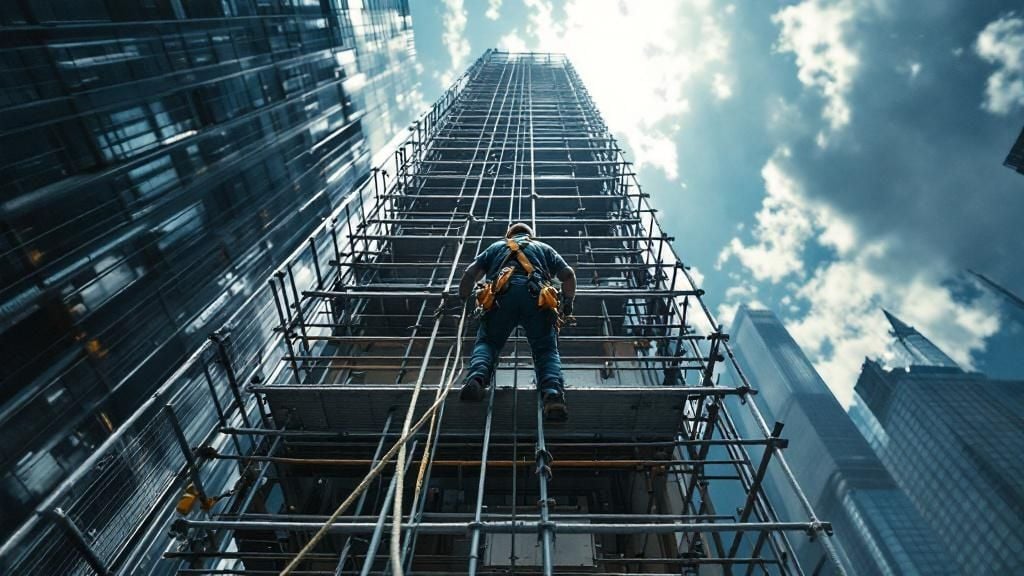
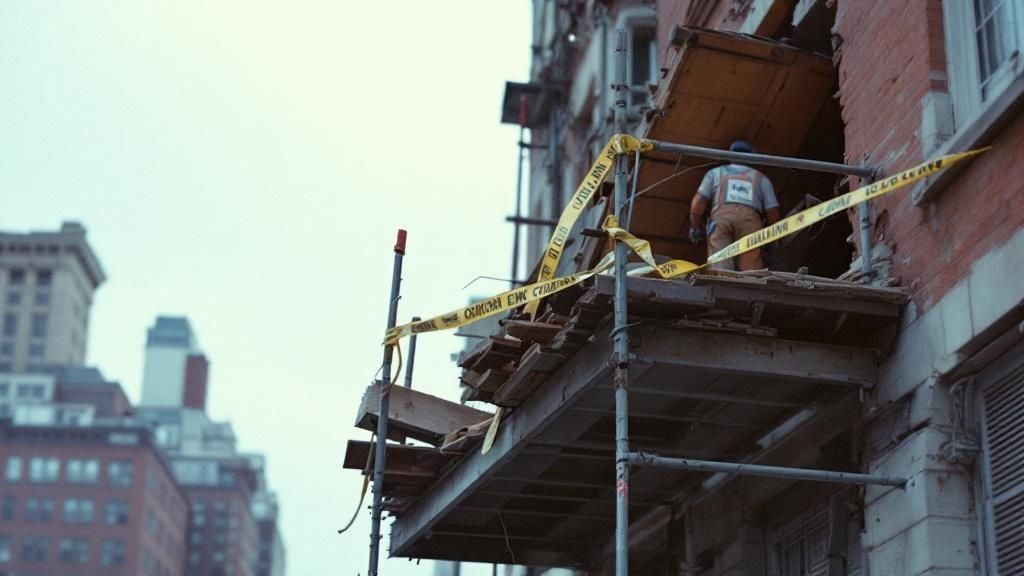
A recent workplace incident at the Hudson Yards development has brought construction safety concerns back into the spotlight. A worker sustained injuries after falling into an elevator shaft at this massive Manhattan construction project, prompting an investigation into the circumstances surrounding the accident.
This type of incident underscores the inherent dangers construction workers face daily, particularly when working around [elevator shaft falls](/accidents/elevator-shaft-falls) and other height-related hazards. These accidents typically result in catastrophic injuries — fractured vertebrae, traumatic brain injuries, or death — with medical bills often exceeding $400,000 for spinal cord cases. For workers injured in such accidents, understanding their legal rights becomes crucial for securing proper medical care and financial compensation.
The Gravity Protection Requirements Under Labor Law 240
New York's Labor Law Section 240(1), commonly known as the "Scaffold Law," provides powerful protections for construction workers injured in gravity-related accidents. This statute places absolute liability on property owners and general contractors when workers are injured due to inadequate safety devices for elevation-related work.
Elevator shaft falls typically occur when:
Under Labor Law 240(1), injured workers don't need to prove negligence. Instead, they must demonstrate that the accident resulted from a failure to provide adequate safety devices for work involving differences in elevation. This strict liability standard recognizes that construction site owners and general contractors have superior ability to implement safety measures. And it's one of the strictest liability standards in New York construction law — elevator shaft fall cases typically settle for $1.2 million to $3.8 million when permanent disabilities occur.
At a Queens high-rise project in 2024, a 34-year-old ironworker fell 30 feet through an unguarded elevator shaft opening. The temporary plywood covering hadn't been properly secured with adequate fastening. His Labor Law 240(1) case settled for $2.8 million before trial. The general contractor's insurance company didn't even try to dispute liability — the elevator shaft opening was unguarded, and that's all the court needed to know.
Specific Safety Violations That Lead to Elevator Shaft Falls
OSHA's fall protection standards under 29 CFR 1926.501 require specific measures around holes and openings. But New York's 12 NYCRR 23-1.7(e) goes further — it mandates that floor openings be "covered by material capable of supporting any load which may be imposed upon it and such covering shall be secured to prevent displacement."
The most common violations include:
In Manhattan construction projects, we see a pattern: temporary shaft covers installed in the morning shift but removed or displaced by afternoon work crews. Nobody tells the night shift. Someone falls. The general contractor claims it wasn't their responsibility — it was the elevator installer's job. That argument doesn't work under Labor Law 240(1). The GC has absolute liability regardless of who was supposed to maintain the covering.
Industrial Code Rule 23 Requirements for Elevated Work Areas
New York's Industrial Code Rule 23 sets specific standards that often exceed federal OSHA requirements. Under 12 NYCRR 23-1.7, every floor opening must be protected by covers or guardrail systems. The covers must support at least twice the weight of workers, tools, and materials that might be imposed upon them.
These regulations implement Labor Law 241(6), which creates a separate cause of action when specific safety rules are violated. While Labor Law 240(1) requires showing inadequate safety devices, Section 241(6) focuses on violations of concrete safety regulations. At major projects like Hudson Yards, both claims often apply to the same accident.
12 NYCRR 23-1.5(c) requires that "all employees shall be protected by safety belts and lines, safety nets or other approved protective measures" when working at heights above 10 feet. But here's what matters for elevator shaft cases: even with fall protection, the opening itself must still be properly guarded or covered.
Identifying Liable Parties in Construction Site Accidents
Determining liability in [Hudson Yards](/locations/hudson-yards) construction accidents requires examining the complex web of relationships between various parties involved in these massive development projects.
Property Owners and Developers
The entities that own or control the construction site bear primary responsibility under Labor Law 240(1). At major developments like Hudson Yards, this often includes large real estate investment companies and development partnerships. These parties can't delegate away their statutory duties, regardless of contractual arrangements with contractors.
Related Companies and Oxford Properties, the Hudson Yards developers, maintain ultimate liability for safety device failures under Section 240(1). It doesn't matter if they hired the most reputable general contractors or demanded strict safety protocols in their contracts. When a worker falls due to inadequate protection, the property owner pays.
General Contractors
The main contractors overseeing construction operations share joint and several liability with property owners. They're responsible for coordinating safety measures across all trades and ensuring compliance with OSHA standards like 29 CFR 1926.501 for fall protection. General contractors typically have the most direct control over day-to-day site operations and safety protocol implementation.
At Hudson Yards, companies like Turner Construction and Tishman Construction have managed different phases of development. These contractors face exposure not just for their own workers, but for subcontractor employees injured due to inadequate safety devices. Joint and several liability means an injured worker can collect the full judgment from either the owner or the GC — whoever has deeper pockets typically pays.
Subcontractors and Their Role
While subcontractors may face liability under certain circumstances, Labor Law 240(1) specifically protects workers from having liability shifted to their direct employers. However, subcontractors who control work areas where other trades operate may still face exposure, particularly if their actions or omissions contribute to unsafe conditions.
The elevator installation contractor might argue they weren't responsible for maintaining shaft covers once their work was complete. That's often a losing argument. Under Labor Law 240(1), any party with authority to direct or control work activities can face liability — even if they delegated specific tasks to others.
The Economics of Elevator Shaft Fall Settlements
Medical expenses for elevator shaft falls vary dramatically based on injury severity and the worker's age. A 28-year-old carpenter who survives a 40-foot fall might face:
Settlement ranges reflect these crushing financial realities:
But here's what insurance companies won't tell you: these ranges assume you have experienced legal representation. Workers who try to negotiate directly with insurance adjusters typically settle for 30-60% less than represented claimants.
Essential Steps for Injured Construction Workers
Workers who suffer injuries in elevator shaft falls or similar accidents should take immediate action to protect their legal rights and secure appropriate compensation.
Immediate Medical Attention
Seeking prompt medical care serves dual purposes: ensuring proper treatment and creating documentation of injury severity. Emergency room records, diagnostic imaging, and physician assessments become crucial evidence in legal proceedings. Workers should never downplay symptoms or delay treatment due to concerns about medical costs — even "minor" falls from elevation can result in $200,000 to $500,000 in medical expenses when spinal injuries are involved.
Don't let the site safety manager convince you to "walk it off" or avoid calling an ambulance. We've seen too many cases where workers with serious internal injuries were pressured to continue working, only to collapse hours later. The delay in treatment becomes ammunition for the defense to argue your injuries weren't that severe.
Incident Documentation
Preserving evidence immediately after an accident can significantly impact case outcomes. This includes:
Site conditions change fast after accidents. The missing elevator shaft cover that caused your fall will be replaced within hours. That temporary plywood that shifted under your weight gets properly fastened before OSHA arrives. Photograph everything immediately, or it's gone forever.
Workers' Compensation Claims
File your workers' comp claim immediately, even if you're planning a Labor Law lawsuit. New York requires workers' comp carriers to pay medical bills and temporary disability benefits regardless of fault. This provides immediate financial relief while your Labor Law case develops.
Workers' comp benefits are limited — typically $400-$600 per week in New York, regardless of your actual wages. But you need this coverage active to access medical treatment without upfront costs. And it doesn't preclude your Labor Law 240(1) claim against the property owner and general contractor.
Legal Representation
Construction accident cases involving Labor Law 240(1) require specialized knowledge of both construction practices and complex liability statutes. Experienced attorneys can work through the intricate relationships between multiple defendants while maximizing compensation recovery.
Don't accept the insurance company's first offer, even if it sounds substantial. A $200,000 settlement might seem generous until you realize your lifetime medical costs will exceed $1.8 million. Insurance adjusters count on injured workers not understanding the full scope of their damages.
Proving Your Labor Law 240(1) Case
Courts have established specific elements that must be proven for successful Labor Law 240(1) claims in elevator shaft fall cases:
**Covered Activity**: The worker must have been engaged in construction, demolition, repairing, altering, painting, cleaning, or pointing of a building. Hudson Yards construction clearly qualifies.
**Height Differential**: The accident must involve a difference in elevation. Falling into an elevator shaft obviously meets this requirement — it's a gravity-related injury caused by differences in elevation.
**Inadequate Safety Device**: The property owner and general contractor must have failed to provide adequate safety devices. An unguarded or improperly covered elevator shaft opening constitutes inadequate protection under New York case law.
**Proximate Cause**: The inadequate safety device must have proximately caused the worker's injuries. If you fell because the temporary elevator shaft cover wasn't properly secured, proximate cause is established.
That's it. No need to prove the defendants were negligent or that they knew about the dangerous condition. Labor Law 240(1) imposes absolute liability when these elements are met.
Understanding Compensation Options
Workers' compensation provides initial coverage for medical expenses and partial wage replacement, but it typically won't fully compensate seriously injured workers. Labor Law 240(1) claims offer additional recovery options, including:
But here's the key difference: while workers' comp might provide $400-600 per week in temporary benefits, a successful Labor Law 240(1) claim can recover the worker's full salary during recovery.
Pain and Suffering Damages
New York courts award substantial pain and suffering damages for elevator shaft fall injuries:
These awards reflect the life-altering nature of fall injuries. A 32-year-old electrician who becomes paraplegic after falling through an unguarded elevator shaft faces 45+ years of reduced quality of life, relationship difficulties, and ongoing medical needs.
Future Medical Care
Elevator shaft falls often cause injuries requiring lifetime medical management. Spinal cord injuries may need:
A life care planning expert calculates these costs over the worker's expected lifespan. For a 30-year-old with partial paralysis, lifetime medical costs often exceed $2.8 million.
The Broader Safety Implications
Elevator shaft accidents highlight systemic safety challenges in large-scale construction projects. Fall protection violations under 29 CFR 1926.501 were OSHA's #1 citation in 2024, with 6,763 violations nationwide — that's more than any other safety violation for the 14th consecutive year.
At Hudson Yards specifically, OSHA has issued citations for:
These incidents often result from pressure to maintain aggressive construction schedules while managing multiple trades working simultaneously in confined spaces. Effective safety protocols require coordination between all parties, including regular safety meetings, hazard identification procedures, and consistent enforcement of protective measures according to 12 NYCRR 23-5. When these systems fail, workers bear the physical consequences while employers face significant legal and financial exposure.
The Real Cost of Shortcuts
General contractors who skimp on elevator shaft protection face massive liability exposure. That $50 temporary cover and $20 in fasteners could prevent a $3.5 million settlement. But GCs get focused on schedule deadlines and cost pressures. They figure they'll deal with safety "later" when it's more convenient.
Workers pay the price for these economic calculations. You can't walk again because someone decided proper shaft covers weren't worth the expense or delay.
Recent Case Examples and Settlement Trends
The Midtown Manhattan Case (2023)
A 29-year-old union electrician fell 25 feet through an elevator shaft opening at a luxury residential tower. The temporary plywood covering had been removed for material delivery but never replaced. His L2-L3 vertebrae were fractured, requiring fusion surgery.
The case settled for $2.4 million after 18 months of litigation. The general contractor's insurance company initially offered $350,000, claiming the electrician was partially at fault for not seeing the open shaft. That argument collapsed when depositions revealed the GC knew the cover had been removed but failed to post warning signs or barriers.
The Brooklyn High-Rise Incident (2024)
A 41-year-old concrete worker fell 15 feet into an elevator shaft when the temporary metal grating gave way under his weight. The grating wasn't designed to support worker loads — it was meant only to prevent debris from falling into the shaft.
His case settled for $1.8 million. Medical expenses exceeded $220,000 for back surgery and rehabilitation. The key factor: expert testimony showed the grating violated 12 NYCRR 23-1.7(e) requirements for load-bearing capacity.
The Hudson Yards Pattern
Similar accidents have occurred repeatedly at Hudson Yards due to the project's massive scale and complexity. Multiple elevator shafts, numerous subcontractors, and aggressive completion deadlines create perfect conditions for safety failures.
One 2022 incident involved a scaffold builder who fell into an express elevator shaft opening on the 35th floor. The opening was supposed to be covered with steel plates, but they'd been removed for mechanical work and never replaced. His case settled confidentially, but court records indicate damages exceeded $3.2 million.
Moving Forward After Construction Accidents
Recovering from serious construction injuries involves more than medical treatment. Workers face lost income — typically $3,000 to $8,000 monthly for skilled construction trades — potential career changes, and ongoing medical needs. Understanding legal rights under New York's protective statutes ensures that injured workers can access the resources necessary for full recovery.
Career Transition Support
Many elevator shaft fall survivors can't return to construction work. A successful Labor Law 240(1) settlement should account for:
Family Impact Considerations
Serious construction injuries affect entire families. Spouses might need to reduce work hours to provide care. Children's college plans change when family income drops dramatically. These "loss of consortium" damages are recoverable under Labor Law 240(1) — they're not just the worker's losses.
Immigration Status Protection
Your immigration status has absolutely no bearing on your rights under New York Labor Law 240(1). Courts have consistently held that undocumented workers have the same rights to compensation as citizens. Don't let contractors or insurance companies use immigration fears to pressure you into accepting inadequate settlements.
We've seen too many cases where injured undocumented workers accepted $75,000 settlements for million-dollar injuries because they feared deportation. That's not how New York law works. Your Labor Law rights exist regardless of immigration status.
Why Insurance Companies Fight These Cases
Despite Labor Law 240(1)'s absolute liability standard, insurance companies still contest elevator shaft fall claims. Their strategies include:
**Arguing the Work Wasn't Covered**: They'll claim the injured worker wasn't engaged in covered construction activities. This rarely succeeds when the accident occurs at active construction sites.
**Challenging Proximate Cause**: Defense attorneys argue that something other than the inadequate safety device caused the accident. Maybe the worker was intoxicated or suffered a medical emergency before falling.
**Minimizing Damages**: Even when liability is clear, insurers fight hard over injury severity and future medical needs. They'll hire doctors who claim injuries aren't as severe as treating physicians indicate.
**Statute of Limitations Defenses**: New York requires Labor Law 240(1) claims to be filed within three years of the accident. Insurance companies hope injured workers will miss this deadline.
Don't expect insurance companies to simply pay fair settlements because the law is on your side. They'll spend $200,000 in legal fees to avoid paying an additional $500,000 in damages. That's just business to them.
Taking Action After Your Elevator Shaft Fall
Construction sites will always involve inherent risks, but proper safety measures can prevent many serious accidents. When safety failures occur, New York's Labor Law provides injured workers with powerful tools to hold responsible parties accountable and secure the compensation they need to rebuild their lives. And with settlements ranging from $850,000 for moderate injuries to $4.2 million for cases involving permanent disability, these claims provide the financial foundation workers need for long-term recovery.
If you've been injured in a construction accident, consulting with an experienced attorney can help you understand your options and protect your rights while you focus on recovery. Don't wait — evidence disappears, witnesses scatter, and insurance companies are already building their defense strategy. Every day you delay gives them more time to minimize your claim.
The Hudson Yards elevator shaft fall represents just one example of how construction safety failures can destroy workers' lives. But it also demonstrates how New York's Labor Law 240(1) provides real protection for construction workers when employers cut corners on safety. Understanding these rights can make the difference between financial devastation and full recovery after a serious construction accident.
[Related: Brooklyn Ladder Fall: Understanding Your Legal Rights Under New York's Scaffold Law](/blog/brooklyn-ladder-fall-understanding-your-legal-rights-under-new-york-s-scaffold-law)
[Related: Accidentes de Andamio en Nueva York — Lo Que Necesita Saber](/blog/accidentes-andamio-derechos)
[Related: Accidentes de Escalera en Sitios de Construcción en Nueva York](/blog/accidentes-escalera-construccion-ny)
Related: Brooklyn Roof Collapse Kills Construction Worker: Labor Law 240 Liability Analysis — /blog/brooklyn-roof-collapse-kills-construction-worker-labor-law-240-liability-analysis
Related: Manhattan Scaffold Crash Death: Family Seeks Justice Under Labor Law 240 — /blog/manhattan-scaffold-crash-death-family-seeks-justice-under-labor-law-240