What Is Labor Law 240? A Complete Guide for New York Construction Workers
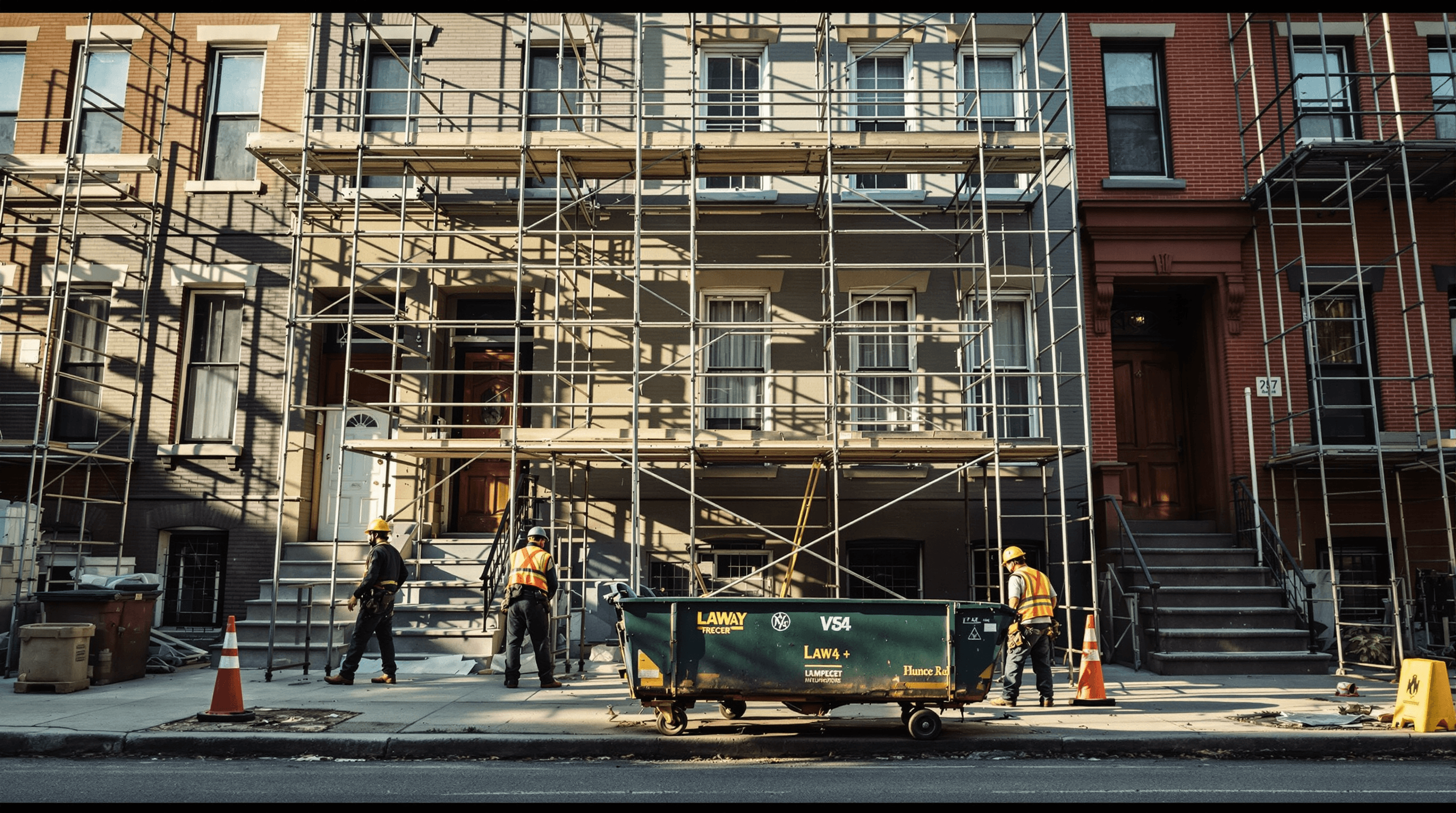
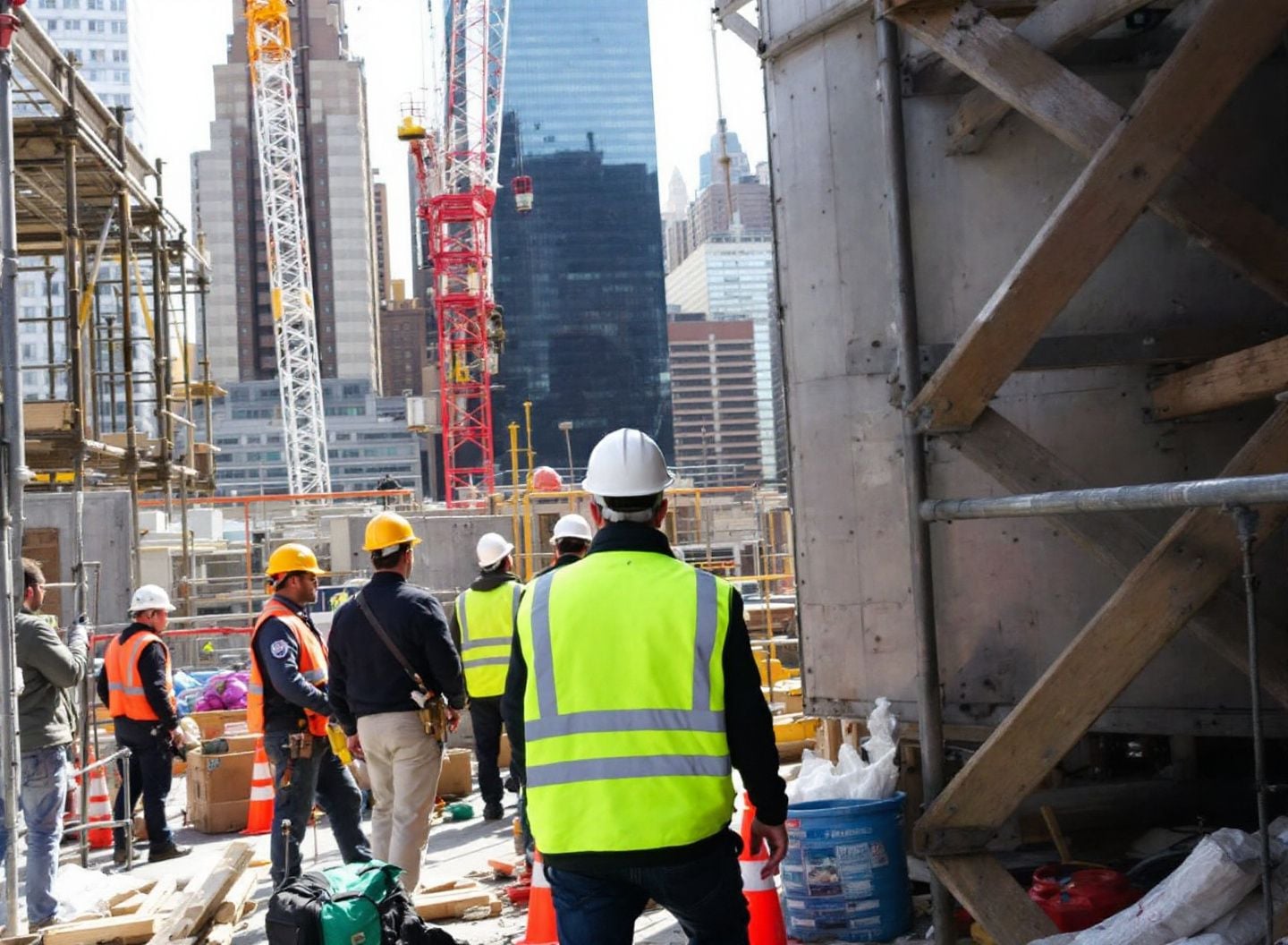
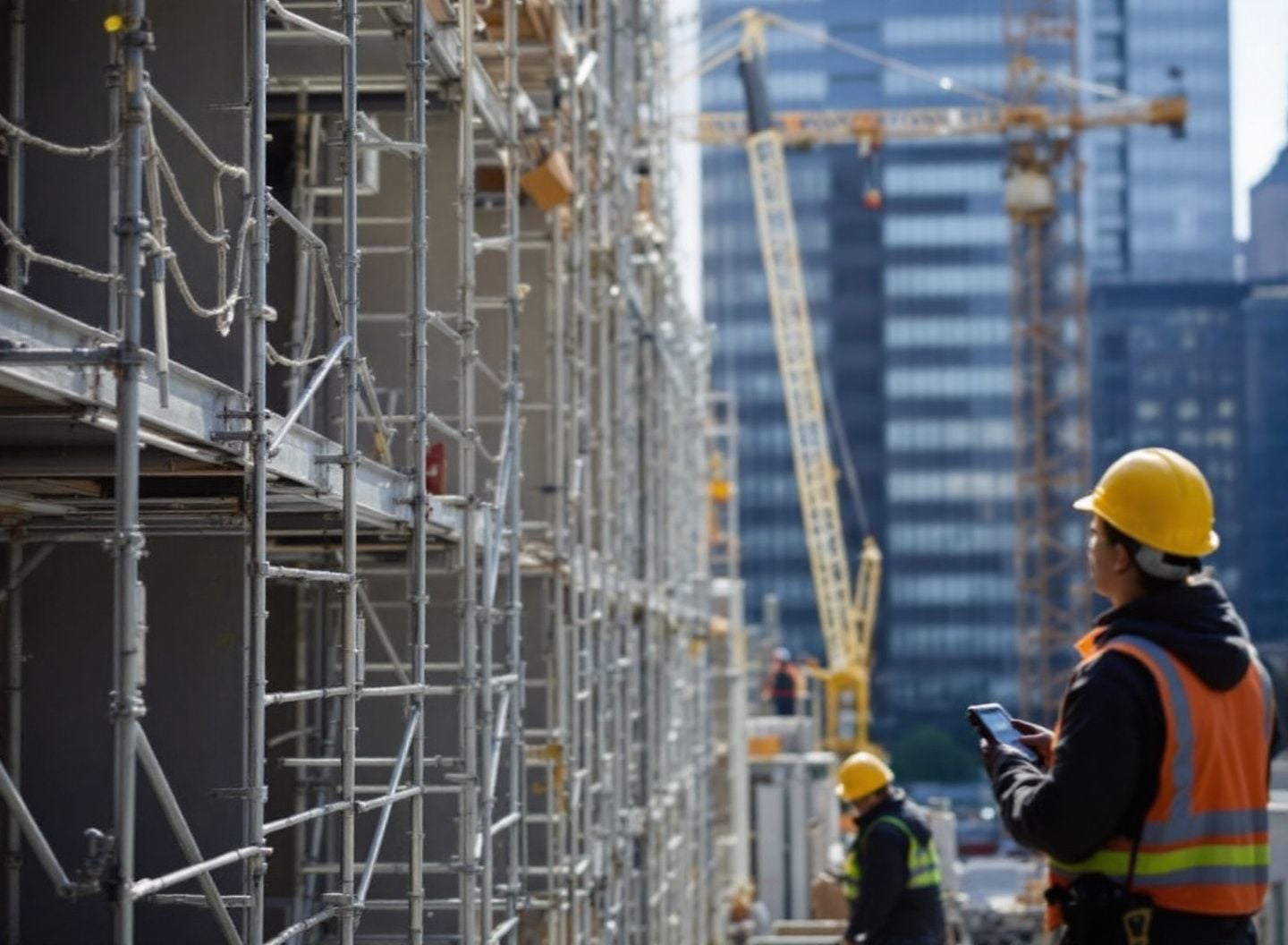
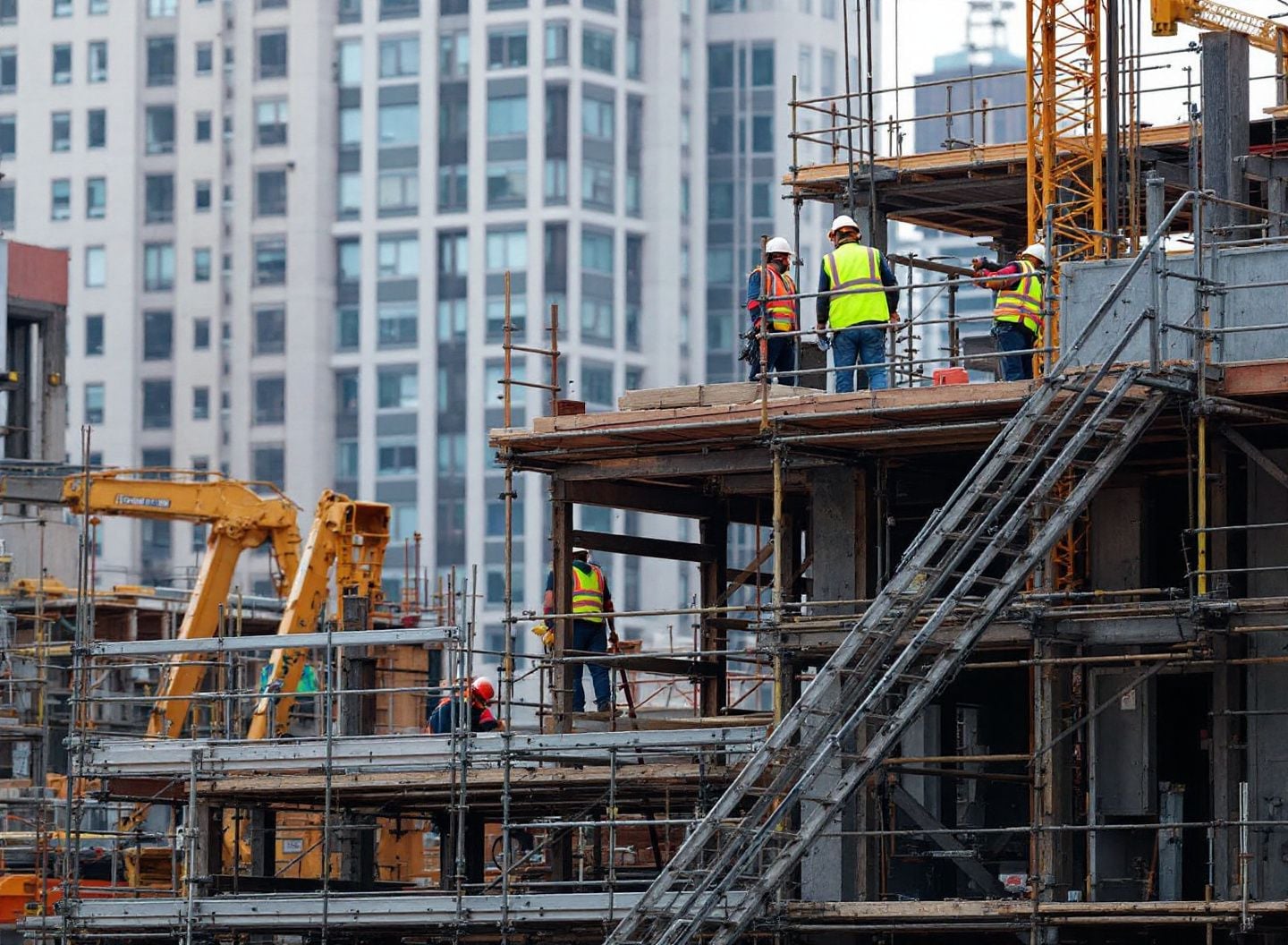
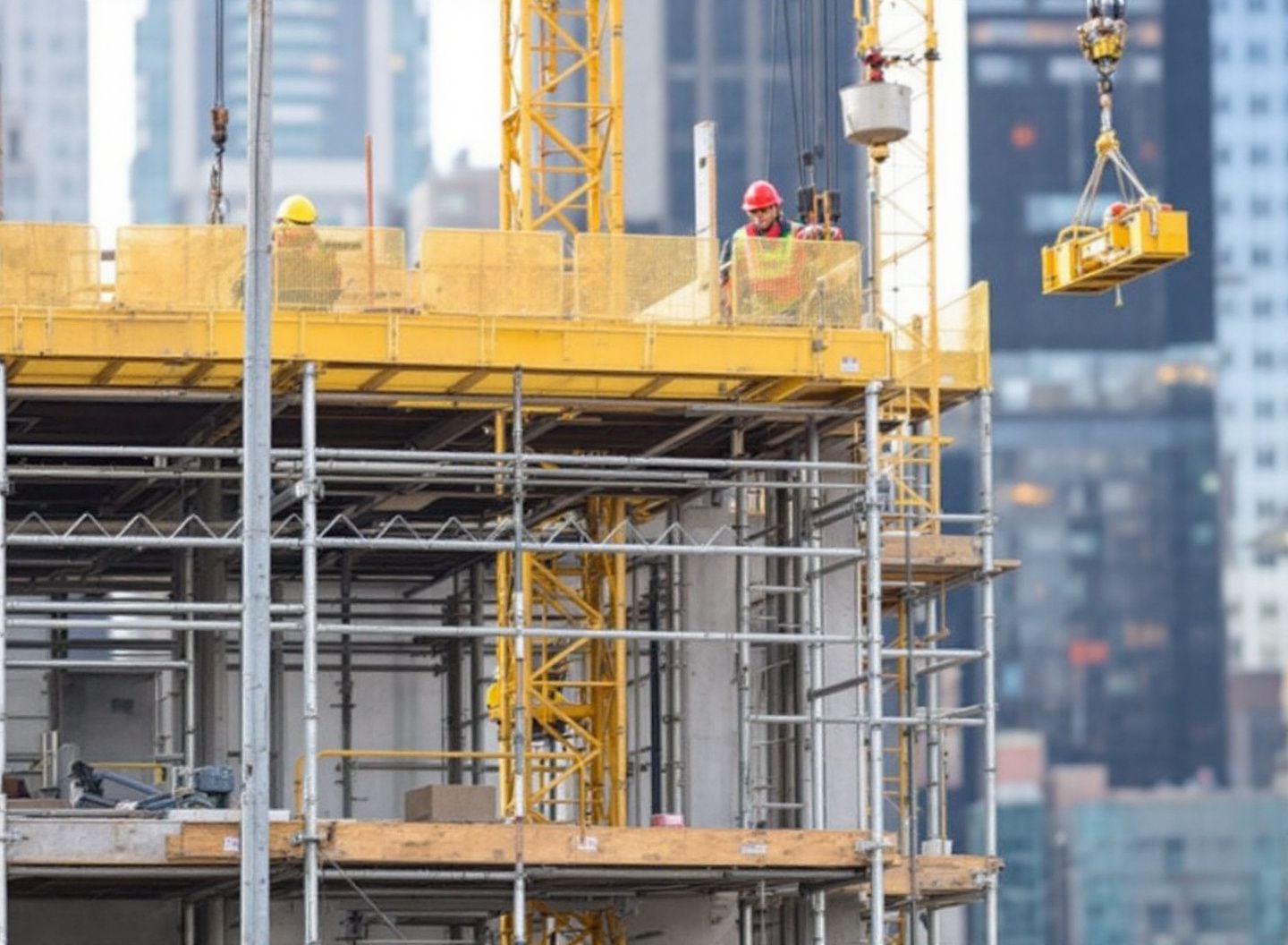
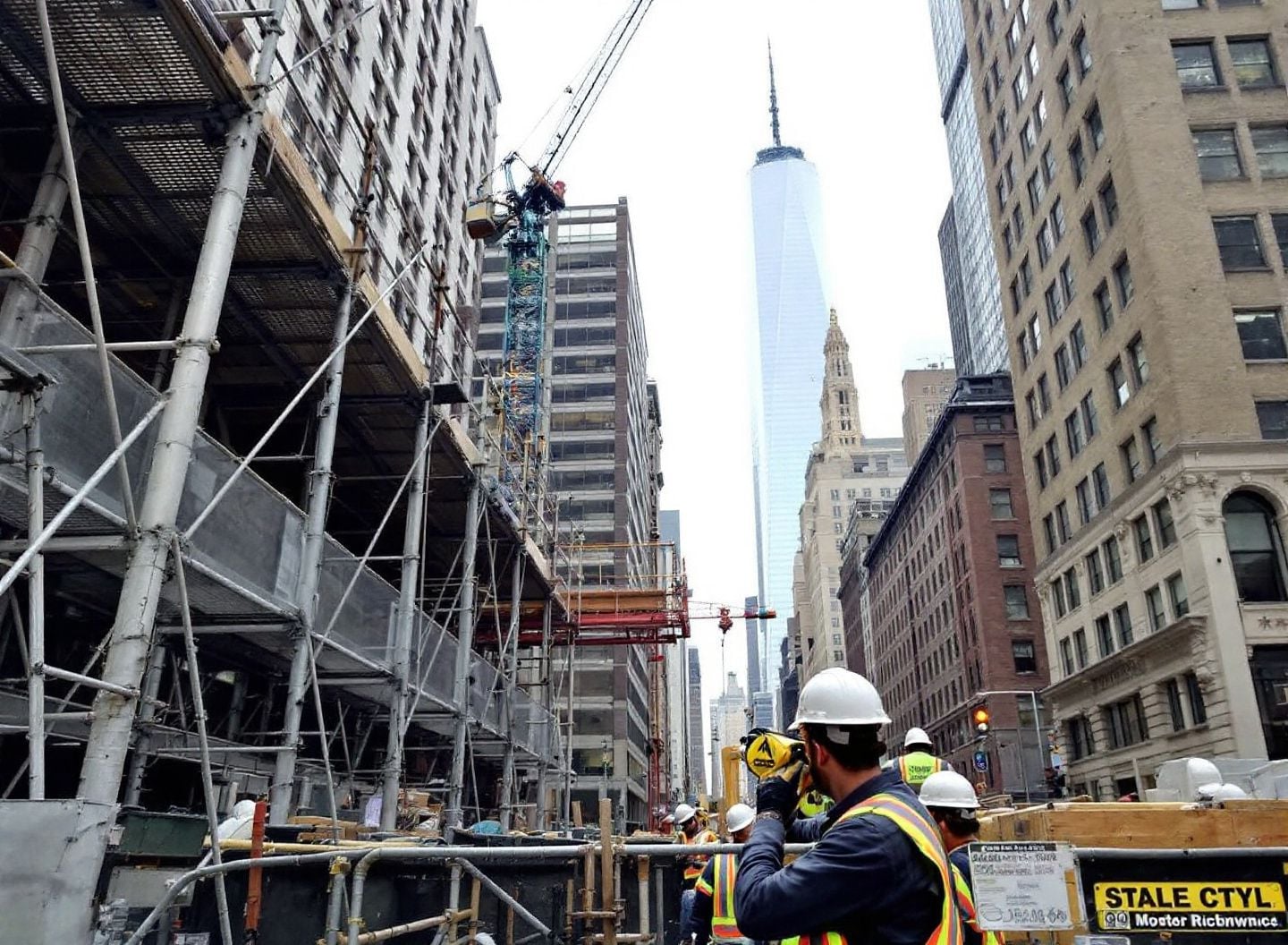
Labor Law 240, known as the Scaffold Law, is one of the strongest worker protection laws in the country. Learn how it protects you and what to do if you're injured.
Expert insights on Labor Law 240, construction safety, worker rights, and legal guidance for New York construction workers.

Labor Law 240, known as the Scaffold Law, is one of the strongest worker protection laws in the country. Learn how it protects you and what to do if you're injured.

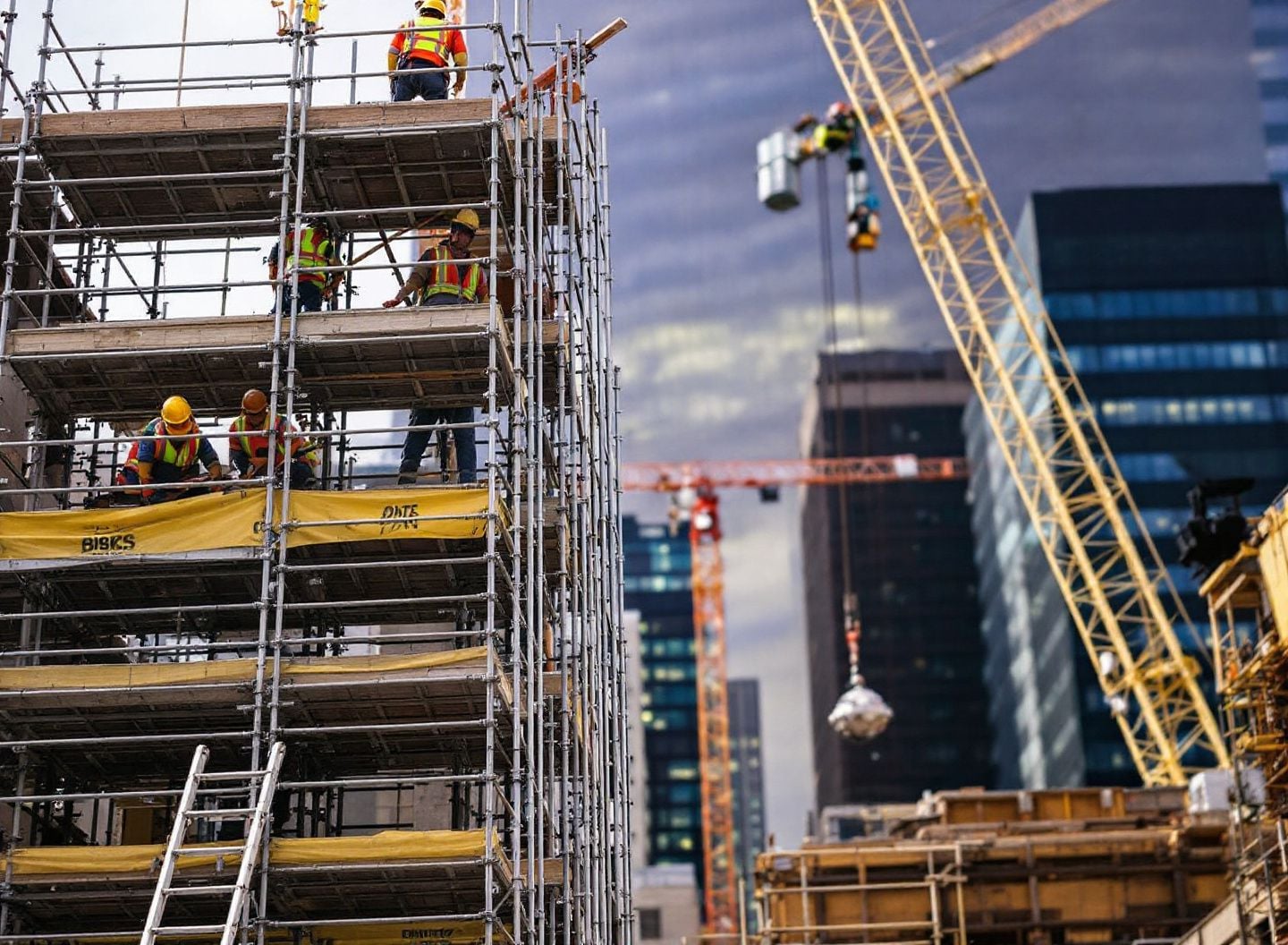
Scaffold falls are among the most common and serious construction accidents. Learn about your rights, common causes, and what to do if you're injured.

Forklifts are among the most dangerous machines on any New York construction site. If you were injured by a tip-over or struck-by accident, multiple state and federal regulations may protect your right to compensation.

When a ladder, scaffold, or piece of equipment touches an overhead power line on a New York construction site, the results can be catastrophic. Here's what injured workers need to know about their legal rights.

Temporary wiring and extension cords are among the leading sources of electrocution on New York construction sites. Here's what the law requires — and what workers need to know when those rules are ignored.

When energized equipment isn't properly shut down before maintenance or repair, construction workers can suffer catastrophic electrocution injuries. Here's what New York law says about who's responsible and what injured workers can do.

Arc flash events produce temperatures hotter than the surface of the sun. NY construction workers who survive these injuries face long recoveries—and specific legal protections that many never know exist.

Missing a filing deadline can end your case before it begins. Here's what New York construction workers and their families need to know about the statute of limitations for Labor Law claims.

Union membership shapes nearly every aspect of what happens after a construction accident in New York City. Here's what you need to know about your rights, your benefits, and your legal options.

New York's Labor Law 240 and 241 impose strict liability on property owners for construction accidents, making them equally or more responsible than general contractors.

Open elevator shafts and malfunctioning personnel hoists are among the most dangerous hazards on any New York construction site. Here's what workers need to know about the causes, the governing regulations, and their legal rights.

If you're undocumented and hurt on a New York construction site, your immigration status does not determine your legal rights. Here's what every worker needs to know about New York's powerful construction injury laws.

New York's Labor Law 240 and 241 hold general contractors responsible for worker safety even when the injured worker is employed by a subcontractor. Here's how that works and why it matters.

In New York, a construction injury rarely ends with a single workers comp claim. Here's why most serious cases also involve a separate civil lawsuit—and why that distinction matters enormously for injured workers.

Electrocution is one of the most serious hazards on any New York construction site. Here's what the law requires of employers and what injured workers need to know.

A misplaced pile of excavated dirt can collapse an entire trench wall within seconds. Here's what New York's excavation safety codes say about spoil pile placement and why violations injure workers every year.

Deep excavations can turn deadly in seconds when oxygen levels drop or flammable gas builds up. Here's what New York law says about keeping workers safe underground—and what happens when it fails.

Water seeping into an open trench isn't just a nuisance — it's a structural threat that can collapse trench walls in minutes. Here's what New York law says about it and why workers get hurt.

When a shovel or excavator bucket hits a buried gas line, electric cable, or water main, the results can be catastrophic. This guide explains the injury mechanisms, the safety rules that apply, and the legal claims available to New York construction workers.

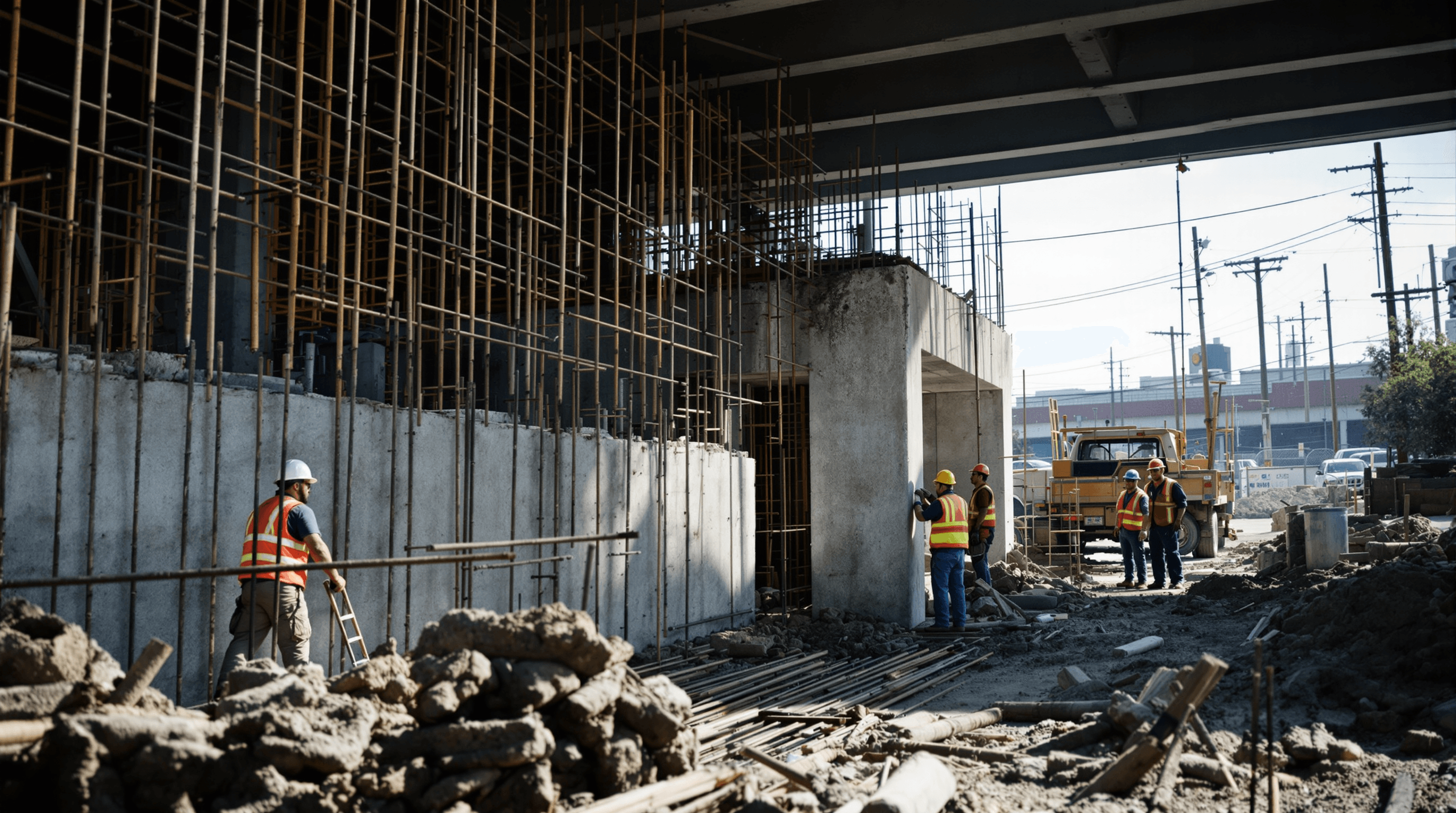
When a trench wall collapses, the question of liability often comes down to one measurable fact: was the excavation deeper than five feet, and was there a protective system in place? New York law has a clear answer.

A trench collapse can happen in seconds and bury a worker under hundreds of pounds of soil. Here's what New York law requires—and what your rights are when those protections are missing.

Trench collapses kill and maim workers in seconds. Here's how federal OSHA standards and New York labor law combine to protect excavation workers and hold negligent employers accountable.

When a construction worker dies from a fall or other site injury in New York, two separate legal claims may arise. Understanding the difference between a survival action and a wrongful death claim can shape how a family pursues justice.

When a trench collapse kills a construction worker in New York, the family is left with grief and financial uncertainty. Multiple legal paths exist, and knowing how they work together matters.

When a construction worker is killed on a New York job site, strict legal rules govern who can sue, who recovers money, and how any proceeds are divided among surviving family members under New York's Estates, Powers and Trusts Law.

When a construction worker is killed on a New York job site, surviving family members can't simply step into the worker's shoes and sue for pain and suffering. New York's wrongful-death law works differently, and understanding the gap matters enormously.

Height-related falls are among the most devastating events in New York construction. When a fall is fatal, surviving family members have distinct legal rights under wrongful-death law and the state's powerful Labor Law 240.

When a construction worker is killed on the job in New York, surviving family members have several legal paths available to them—wrongful death claims, workers' compensation death benefits, and third-party lawsuits each serve different purposes and carry different rules.

When a crane boom or load line contacts an energized power line, workers face simultaneous electrocution and crush injuries. Here's what New York law says about employer responsibility.

When a crane load swings or a rigging component fails, ground crew and signal persons absorb the full force. Here's what New York law says about their rights and protections.

Improper outrigger deployment and soft or compromised ground are among the leading causes of mobile crane tip-overs on New York construction sites. Here's what workers and their families need to know.

Tower crane collapses on New York high-rises kill and injure workers with little warning. Understanding the causes, the regulations, and the legal claims available is essential for anyone working at height in the city.

Two-blocking and crane load drops are among the most violent, preventable events on New York construction sites. Here's what workers and families need to know about the mechanics and the law.

When pipes, lumber, or concrete blocks are stacked without proper securing, they can collapse without warning. New York law offers significant protections for workers struck by falling materials.

When rigging hardware fails and a hoisted load drops, New York workers can suffer catastrophic injuries. Here's what the law requires, why these accidents happen, and what injured workers should know.

When a tool or piece of hardware falls from an upper floor and strikes a worker below, New York's Scaffold Law may give that worker powerful legal protections. Here's what you need to know.

Falling objects injure thousands of construction workers every year. Here's how New York's Labor Law 240, the Industrial Code, and federal OSHA standards work together to require debris netting, toe-boards, and overhead protection on job sites.

Every year, workers across New York City are seriously injured when tools, materials, or debris fall from above. Here's what the law says and what you should do next.

Flying debris is one of the most underreported hazards on New York construction sites. When eye protection requirements under 12 NYCRR 23-1.8 are ignored, the consequences can be permanent and devastating.

Hot work operations like welding and torch cutting expose NY construction workers to severe burn injuries every day. Here's what the law says and what injured workers can do.

When floors, walls, or shoring systems fail on active construction sites, the consequences can be catastrophic. New York's Labor Law 241(6) and related safety codes give injured workers powerful legal protections.

Demolition work carries some of the highest injury risks in New York construction. Here's what workers need to know about their legal protections and rights after an accident.

Not every safety rule on a construction site can support a Labor Law 241(6) claim. Understanding which Industrial Code provisions are specific enough to qualify is critical for injured workers in New York.

Silica dust is one of the most dangerous invisible hazards on New York construction sites. Workers exposed to respirable crystalline silica face serious long-term illness — and serious legal rights.

Exposed rebar is one of the most dangerous hazards on any New York construction site. When capping requirements are ignored, workers pay the price with their bodies. Here's what the law says and what your rights are.

When an employer has been cited by OSHA before, that history isn't just a regulatory footnote. In New York, it can become powerful evidence of notice and liability in your construction injury case.

When the NYC Department of Buildings issues a stop-work order, it's more than a bureaucratic action. It's a written record that something on that site was dangerously wrong—and that record can matter enormously if a worker gets hurt.

When a New York employer skips required personal protective equipment, that failure isn't just an OSHA violation—it's evidence that can shape the outcome of a serious injury claim under Labor Law § 241(6).

When employers skip proper chemical hazard warnings on New York job sites, workers pay the price. Here's what the law says and what injured workers can claim.

Fall protection violations under 29 CFR 1926.501 top OSHA's citation list every year. Here's what that means for New York construction workers and how it ties directly to a Labor Law § 241(6) claim.

Unguarded floor openings and hatchways are among the most dangerous hazards on New York construction sites. Here's what the law requires and what injured workers need to know.

Poor lighting on New York construction sites is a code violation that's far too common and far too dangerous. Here's what the law requires, how darkness causes injuries, and what workers need to know.

Ice, mud, and pooled water cause serious injuries on New York construction sites every year. Here's how 12 NYCRR 23-1.7(d) and Labor Law 241(6) work together to protect workers who've been hurt.

When a construction worker trips over debris, tools, or clutter on a jobsite walkway, New York's Labor Law § 241(6) and 12 NYCRR 23-1.7 may provide a powerful legal foundation for recovery.

Concrete formwork failures are among the most dangerous events on New York construction sites. This guide explains the safety regulations that apply, how injuries happen, and what legal rights injured workers have under state and federal law.

OSHA's most-cited violations on NYC construction sites in 2024 reveal persistent, preventable dangers. Here's what injured workers need to know about their rights under New York law.

When a construction site safety rule is broken and a worker gets hurt, New York's Labor Law § 241(6) gives that worker a powerful legal tool. Here's how it works.

Bad weather doesn't pause construction in New York — but it should pause scaffold work. Here's how adverse conditions factor into a Labor Law § 240 claim after a scaffold fall.

When scaffolds go uninspected and untagged, workers face deadly fall hazards. Here's what New York law and OSHA require before a single plank is loaded.

A ladder that breaks and a ladder that slips both fall under New York's Scaffold Law. Here's how each scenario creates liability under Labor Law 240 and what injured workers need to know.

New York's Scaffold Law—Labor Law § 240—protects construction workers from gravity-related injuries, but the rules for falling-worker claims differ significantly from falling-object claims. Here's what you need to know.

New York's Scaffold Law covers more than workers who fall from finished scaffolds. If you were injured while putting one up or taking one down, you may have strong legal protections under Labor Law § 240.

New York's Labor Law 240 and 241(6) both protect construction workers hurt in falls, but they work very differently. Here's what injured workers need to know about each statute.

A single cracked plank can send a worker to the hospital and set a Labor Law 240 claim in motion. Here's what New York workers need to know about defective scaffold planking and the laws that protect them.

Material overloading and debris accumulation are among the most overlooked causes of scaffold failure on New York job sites, yet they trigger some of the most powerful legal protections available to injured workers.

New York's Labor Law 240 places absolute responsibility for fall protection on owners and contractors. When a harness or tie-off point is missing, injured workers have powerful legal rights worth understanding.

Scaffold collapses in the Bronx cause catastrophic injuries every year. Here's a detailed breakdown of how New York law protects workers and what damages are available after a collapse.

When a swing stage fails on a New York high-rise, the consequences can be catastrophic. Here's what workers and their families need to know about scaffold safety law and Labor Law 240 claims.

When a pipe-and-frame scaffold collapses on a New York job site, the injuries can be catastrophic. Here's what workers need to know about the law, the engineering failures, and who bears legal responsibility.

This draft answers Brooklyn construction accident: Safety Violations and Labor Law 241 proof for workers and families looking for New York construction accident guidance in Brooklyn. It is built to support a careful case review path, not to publish unsupported event or outcome...

This draft answers Manhattan construction accident: Scaffold Falls and Labor Law 240 proof for workers and families looking for New York construction accident guidance in Manhattan. It is built to support a careful case review path, not to publish unsupported event or outcome...

This draft answers Queens construction accident: Falling Objects and Labor Law 240 proof for workers and families looking for New York construction accident guidance in Queens. It is built to support a careful case review path, not to publish unsupported event or outcome claims.

When a scaffold guardrail is missing or a plank gives way, New York law provides injured workers with powerful legal protections. Here's how the specific code requirements under 12 NYCRR 23-5 and federal OSHA standards translate into a viable injury claim.

Owners and contractors fighting a Labor Law 240 claim usually reach for one of three defenses. Here's why courts reject all three far more often than they accept them.

New York's Scaffold Law — Labor Law § 240 — does something almost no other statute in the country does: it strips owners and contractors of their most common defenses when a worker falls from height. Here's what that means for you.

Brooklyn's construction boom brings serious scaffold dangers. This guide covers your rights under Labor Law § 240, how Brooklyn Supreme Court handles these cases, and what injured workers need to know.

OSHA often investigates serious construction accidents. Learn how their investigation works and how it affects your legal rights.

When a construction worker is injured because safety equipment was absent, defective, or inadequate, New York Labor Law 240 and 241 provide powerful legal remedies. Here is how these claims work and what absent equipment evidence can prove.

A recent Manhattan scaffold crash highlights dangerous myths that cost workers millions. Here's what Labor Law 240 actually covers and why workers' comp isn't enough.

Labor Law 240, known as the Scaffold Law, is one of the strongest worker protection laws in the country. Learn how it protects you and what to do if you're injured.

Your immigration status does not affect your right to a safe workplace or compensation after an injury. Learn about the protections that apply to all workers.

Scaffold accident settlements in New York range from $250,000 to over $10 million. Here is what drives those numbers — the injury type, the Labor Law 240 strict liability standard, and what defense lawyers look for to reduce value.

Understanding the timeline of a construction accident case helps you plan and set expectations. Here's what to expect from start to finish.

Miss a filing deadline and your case is gone — regardless of how strong it is. Here are every time limit that applies to NY construction accident claims, including the 90-day municipal notice trap that kills good cases.

What you do in the days after a construction accident can significantly impact your ability to recover compensation. Here's what NOT to do.

A 43-year-old construction worker died in a Marine Park roof collapse. Under NY Labor Law 240, property owners and contractors face strict liability for elevation-related fatalities.


A Brooklyn high-rise project in 2025 racked up OSHA scaffold citations before a worker fell. Here's what those violations mean legally—and how they affect a Labor Law 240 claim.

Elevator shafts pose deadly risks during construction. Learn about the hazards, required protections, and your rights if injured in a shaft fall.

Roof work is among the most dangerous construction activities. Learn about the hazards, required protections, and how Labor Law 240 protects roofers.

Construction accidents can devastate your life and finances. Learn about all the types of compensation you may be entitled to under New York law.

Ladder falls are among the most common construction injuries in New York. Learn about the causes, your legal rights, and how Labor Law 240 protects you.

After a construction accident, you may have two paths to compensation. Understanding the difference can significantly impact your recovery.

A free consultation with a construction accident lawyer in New York costs you nothing and can tell you everything about your legal options. Here is what the consultation covers, what you should bring, and how contingency fees work.

Ladder falls are among the most common serious construction accidents in New York. Most qualify for strict liability under Labor Law 240 — here is what the law requires, what defendants argue, and why most of those arguments fail.

A tool dropped from five stories, a beam swung by crane, concrete debris from above — falling objects are the second leading cause of construction fatalities. Here is how New York Labor Law 240 handles these claims and what plaintiffs must establish.

Most construction accident cases in New York take two to four years from accident to resolution. Here is exactly what happens at each stage, what causes delays, and how to make informed decisions during the process.

Ironworkers, roofers, and crane operators face the highest fatality rates in New York construction. Here is the data behind the risks, what trades see the most serious injuries, and how Labor Law 240 protects workers in high-hazard trades.

Workers' compensation is not your only option after a construction accident. In many cases you can file both a comp claim AND a personal injury lawsuit — and the lawsuit can recover far more. Here is how these two systems work together.

TBI is one of the most under-diagnosed and under-compensated injuries in construction accidents. Here is how TBI claims are built in New York, what the medical evidence must show, and how these cases are valued.

Your union status does not determine your Labor Law 240 rights in New York. Both union and non-union construction workers have the same statutory claims after a serious injury — but the compensation structures and practical realities differ.

General contractors in New York can be held strictly liable for construction accidents even when they did not directly employ the injured worker. Here is the legal framework — from statutory agency to the non-delegable duty rule.

When a construction worker dies on the job, New York law provides specific remedies for surviving families. Here is how wrongful death claims work under Labor Law 240, who can bring the claim, and what families can actually recover.

Workers' compensation is not the end of your options. New York construction workers can sue property owners, general contractors, and others who are not their direct employer. Here is exactly how third-party construction claims work.

Falls from scaffolds and ladders produce some of the most severe spinal injuries in any industry. Here is how New York construction accident law handles spine injury claims, what the medical evidence needs to show, and what these cases are actually worth.

New York crane accidents involve the property owner, general contractor, crane owner, operator, and possibly the manufacturer. Here is how to identify every liable defendant and which legal theories apply to each.

New York's highest court has ruled that undocumented construction workers have full rights under Labor Law 240. Immigration status is not a defense. Here is what that ruling means and what you can actually recover.

An OSHA citation after your construction accident is not just a government penalty — it is evidence. Here is how OSHA violation records affect Labor Law 241(6) claims, what specific CFR sections matter most, and what your lawyer does with the inspection file.

The hours and days after a construction accident determine what evidence is available and whether your legal rights are preserved. Here is exactly what to do — and what not to do — starting from the moment you are injured.

A construction worker was recently injured by falling debris at a Queens commercial construction site. This incident highlights the ongoing safety challenges in NYC construction and the crucial legal protections available under Labor Law 240.

A recent ladder accident at a Brooklyn residential renovation project underscores the serious safety risks construction workers face daily. Understanding your legal protections under New York's Labor Law 240 can be crucial for securing compensation.

New York Labor Law 240 — the Scaffold Law — gives construction workers one of the strongest injury claims in the country. Here is what it covers, who can be sued, and why comparative fault cannot be used against you.

Large NYC projects involve dozens of contractors working simultaneously. When a worker is hurt, figuring out who's liable isn't obvious. Here's how New York law handles it.

New York's harsh winters add danger to construction work. Learn about cold weather hazards, required protections, and your legal rights if you're injured.

NYC's skyline is built with cranes—and crane accidents can be catastrophic. Learn about the causes of crane accidents and how the law protects injured workers.

Trench collapses are among the deadliest construction accidents. Learn about the causes, required protections, and your legal rights if you're injured.

Every year, workers are killed or seriously injured by objects falling from above. Learn how Labor Law 240 protects you from falling object hazards.

Scaffold falls are among the most common and serious construction accidents. Learn about your rights, common causes, and what to do if you're injured.
Every case is different. If you've been injured on a construction site, we can help you understand your options—free and confidential.
Get Free Case ReviewThe information in this blog is for educational purposes only and does not constitute legal advice. Every case is unique. For advice about your specific situation, please consult with a qualified attorney. This is attorney advertising.