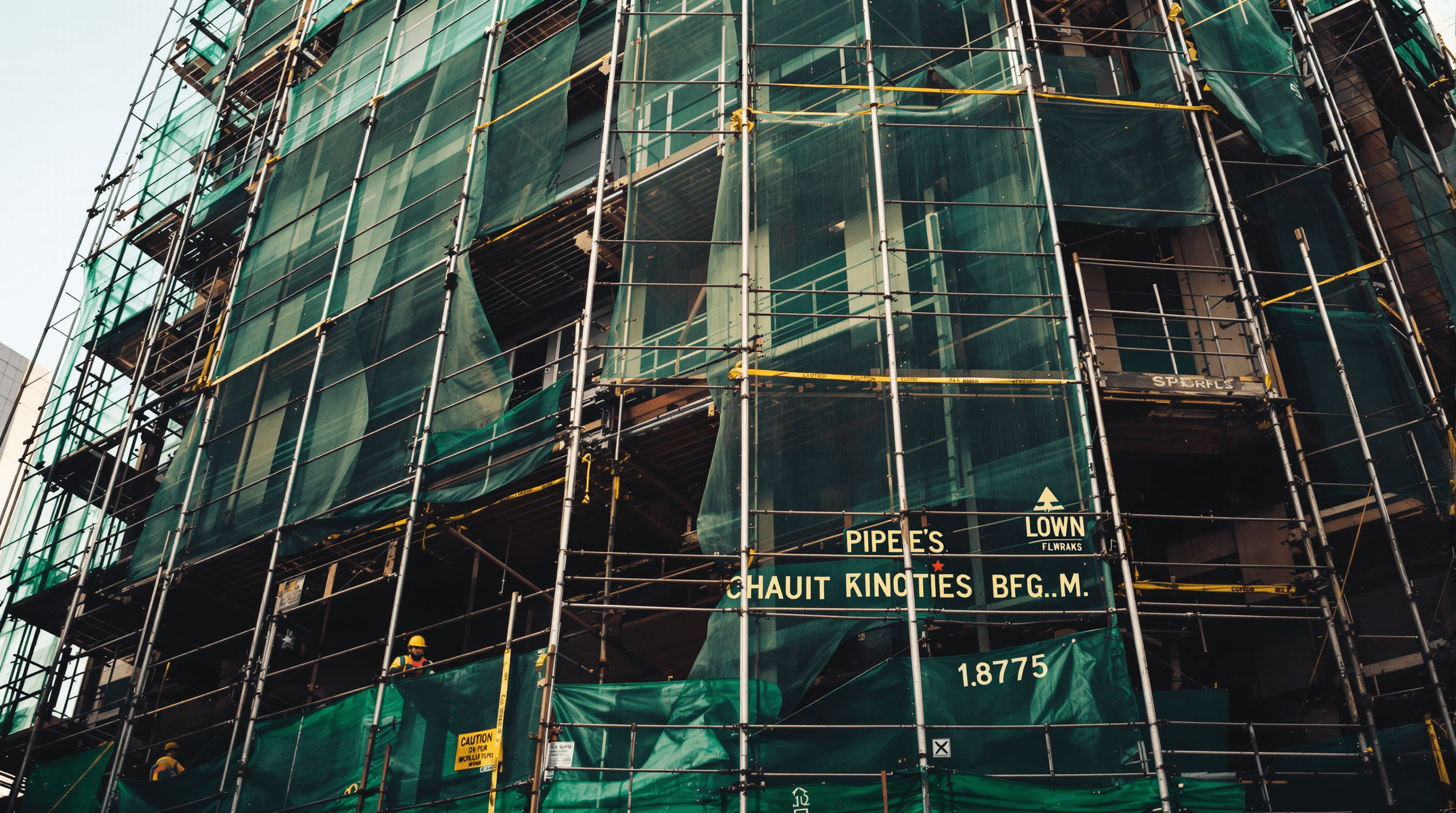
# Manhattan Scaffold Crash Death: Family Seeks Justice Under Labor Law 240
A construction worker died in a scaffold collapse in Manhattan, leaving his family to demand answers about what went wrong. The fatal accident has thrust workplace safety violations back into the spotlight as the victim's relatives push for accountability.
The tragedy underscores the life-and-death stakes of construction work in New York City, where workers climb scaffolds dozens of stories high every day. When these safety systems fail, families often turn to New York's Labor Law 240 — known as the Scaffold Law — for justice.
New York's Scaffold Law Provides Strong Protection
Labor Law 240(1) creates strict liability when workers fall from scaffolds or other elevation-related equipment. This means property owners and general contractors can't escape responsibility by blaming someone else.
The law states that owners and contractors must provide "proper protection" for workers at elevated heights. When scaffolds collapse, courts don't ask whether the worker was partially at fault. They focus on one question: did the safety equipment fail?
This strict liability standard sets New York apart from most other states. Workers' families don't need to prove negligence. They only need to show the scaffold failed and caused the injury or death.
Who Bears Legal Responsibility?
In [Manhattan scaffold accidents](/locations/manhattan), multiple parties typically face liability:
**Property Owners**: Even if they don't directly employ workers, building owners bear responsibility under Labor Law 240. They can't delegate this duty away through contracts.
**General Contractors**: The main contractor overseeing the project faces automatic liability for scaffold failures. Their insurance must cover these claims.
**Subcontractors**: The company that erected or maintained the scaffold may face additional liability claims beyond Labor Law 240.
**Scaffold Rental Companies**: If defective equipment caused the collapse, the rental company could face product liability claims.
The victim's family can pursue claims against all responsible parties simultaneously. This often leads to higher total compensation since multiple insurance policies come into play.
Common Causes of Scaffold Collapses
[Scaffold falls](/accidents/scaffold-falls) in Manhattan construction sites typically result from:
Construction companies often blame workers for these failures. But Labor Law 240 places the burden on owners and contractors to provide safe equipment — regardless of worker actions.
What Families Should Do After a Fatal Accident
Time moves quickly after construction deaths. Evidence disappears. Witnesses forget details. Insurance companies start building their defense immediately.
Families should:
Don't speak with insurance adjusters or company representatives without legal counsel. They're not looking out for your family's interests.
Compensation in Fatal Scaffold Cases
Wrongful death settlements in construction accidents vary widely based on the victim's age, income, and family situation. Recent New York cases show these ranges:
*Settlement amounts vary substantially based on injury severity, liability clarity, jurisdiction, comparative fault, and specific case facts. Figures below reflect ranges from reported New York construction verdicts and settlements. Past results do not guarantee future outcomes. Your case may differ significantly. Consult an attorney for an evaluation of your specific situation.*
New York's wrongful death statute allows families to recover:
But the law doesn't allow recovery for the family's grief or emotional pain. This limitation often surprises families who expected broader compensation.
The Investigation Process
Fatal construction accidents trigger multiple investigations:
**OSHA**: The federal agency inspects the site and issues citations for safety violations. These citations often support Labor Law 240 claims.
**Department of Buildings**: NYC's DOB reviews permits and safety protocols for construction sites.
**Police**: The NYPD investigates potential criminal charges if gross negligence caused the death.
**Insurance Companies**: Each defendant's insurer conducts its own investigation to limit liability.
Families shouldn't wait for these investigations to conclude before taking legal action. The evidence-gathering process should begin immediately.
Manhattan Construction Projects and Safety Challenges
Manhattan's construction boom creates unique safety challenges. Workers build in tight spaces surrounded by traffic and pedestrians. High winds at elevation increase risks. Pressure to meet deadlines leads to corner-cutting.
The city's Department of Buildings received over 1,200 construction accident reports in 2023. Many involved falls from scaffolds and other elevated platforms.
Major construction projects near the scaffold accident area include luxury residential towers and office renovations. These projects often involve multiple subcontractors working simultaneously — creating coordination problems that increase accident risks.
Moving Forward After Tragedy
No amount of money brings back a lost family member. But holding responsible parties accountable serves important purposes beyond compensation.
Successful lawsuits force construction companies to improve safety practices. They send a message that worker lives matter. They provide financial security for families facing an uncertain future.
The family demanding answers about this Manhattan scaffold collapse deserves the truth about what went wrong. They also deserve full compensation under New York law for their devastating loss.
Construction work will always involve risks. But scaffold collapses aren't inevitable accidents — they're preventable failures that demand accountability.