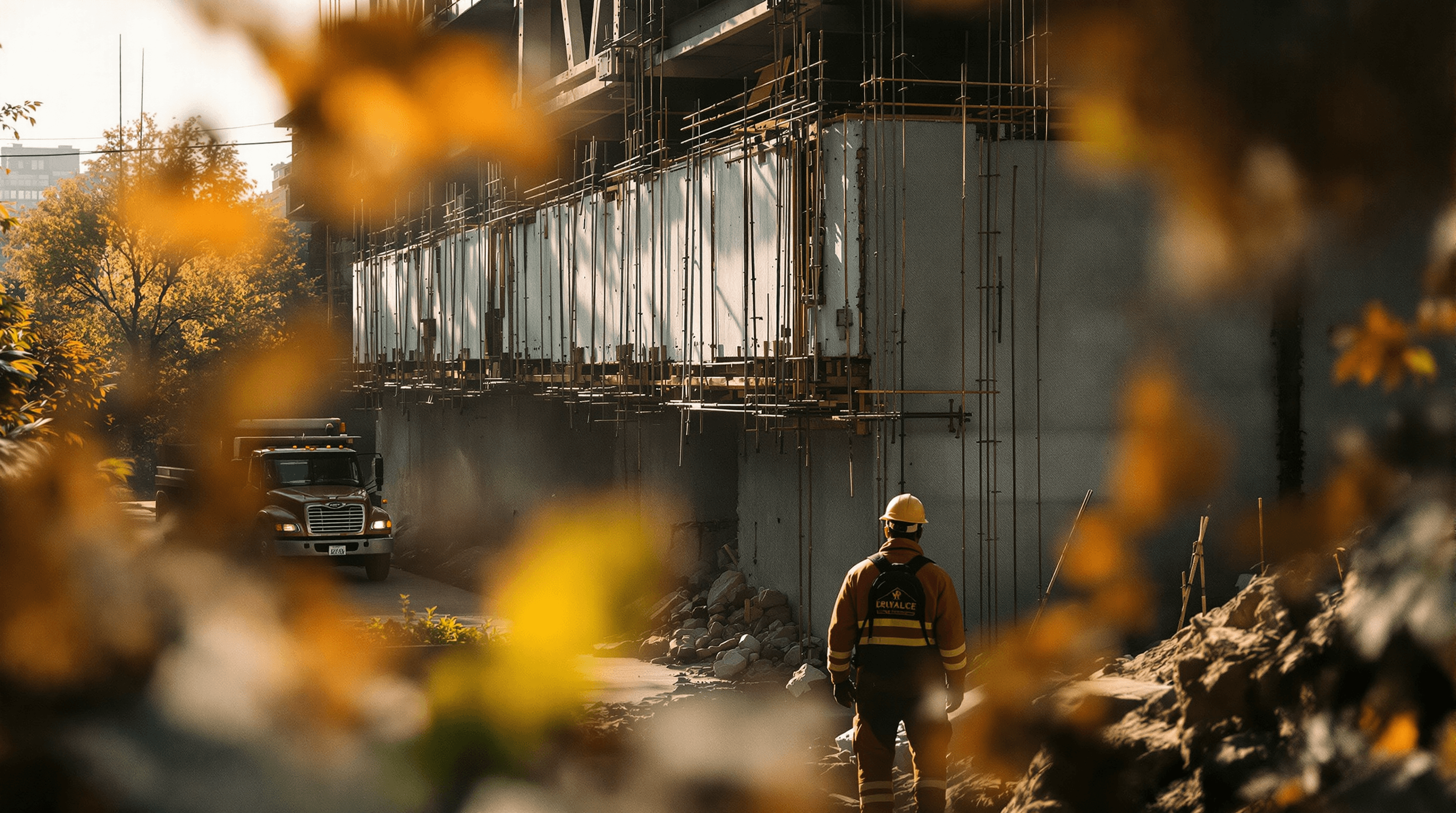
Queens Construction Worker Injured by Falling Debris: Understanding Your Legal Rights Under Labor Law 240
Another construction worker has been injured on a Queens job site, this time due to falling debris at a commercial construction project. While details remain limited, this incident serves as a stark reminder of the daily hazards construction workers face and the critical importance of understanding your legal rights when workplace safety fails.
The Reality of Construction Site Hazards
Construction sites are inherently dangerous environments where workers face numerous risks daily. Falling objects represent one of the most common and serious hazards in construction work. These incidents can involve tools dropped from upper floors, improperly secured materials, debris from demolition work, or equipment that becomes dislodged during construction activities.
The recent injury in Queens underscores how quickly a routine workday can turn into a life-altering event. Construction workers shouldn't have to gamble with their safety to earn a living, yet inadequate safety measures continue to put workers at unnecessary risk.
According to OSHA's construction standards under 29 CFR 1926.95, all employees working in areas where there's potential for injury from falling objects must wear hard hats. But that's just one layer of protection. OSHA requires specific measures under 29 CFR 1926.451(f)(1) for preventing objects from falling from scaffolds: toe boards, screens, or guardrail systems must be installed between the toe board and the top rail where objects could fall.
New York's Industrial Code Rule 23 goes further. Section 12 NYCRR 23-1.16 requires that "all areas where persons are required to work or pass under work being performed by others shall be protected by suitable coverings or guards to prevent injury from falling objects." This isn't a suggestion — it's the law.
New York Labor Law 240: The Construction Worker's Safety Net
New York's Labor Law 240, often called the "Scaffold Law," provides crucial protection for construction workers injured in gravity-related accidents. This law doesn't just cover scaffolds – it applies to a wide range of situations involving elevation-related work, including incidents with falling objects.
Under Labor Law 240, property owners and general contractors have an absolute duty to provide proper safety equipment and protection for workers engaged in construction, demolition, or repair activities. This means they cannot shift blame to the injured worker or claim the accident was unavoidable.
The law specifically covers situations where workers are injured by:
What makes Labor Law 240 particularly powerful is its strict liability standard. If the law applies to your case, you don't need to prove negligence – you only need to show that the safety violation caused your injury.
In 2023, a concrete mixer operator at a Manhattan high-rise suffered traumatic brain injury when a steel beam fell 15 stories. The contractor hadn't installed proper debris netting required under 12 NYCRR 23-1.16. The case settled for $3.2 million before trial. The worker's immigration status? Irrelevant under New York law.
When Labor Law 240 Applies to Falling Object Cases
Courts consistently hold that Labor Law 240(1) applies when falling objects cause injuries during covered activities. The Court of Appeals ruled in Rocovich v. Consolidated Edison Co. that the law protects workers injured by objects falling due to inadequate safety devices, regardless of whether the worker was working at height when injured.
But there's a key requirement: the object must fall because of the absence or inadequacy of a safety device that the statute requires. A wrench slipping from someone's hand doesn't automatically trigger Labor Law 240. However, materials falling because debris netting wasn't installed? That's a clear violation.
OSHA Violations: The Foundation for Stronger Cases
When OSHA finds violations at accident sites, it strengthens your case significantly. Common falling object violations include:
29 CFR 1926.451(f)(1): Failure to install toe boards, screens, or guardrail systems on scaffolds 29 CFR 1926.759(b): Inadequate protection during steel erection when materials are hoisted 29 CFR 1926.95(a): Failure to require hard hats in areas with falling object hazards
In 2024, OSHA cited a Queens contractor $127,000 after a worker was struck by falling concrete. Inspectors found multiple violations: no overhead protection (29 CFR 1926.451), inadequate hard hat enforcement (29 CFR 1926.95), and failure to train workers on falling object hazards (29 CFR 1926.95(c)).
The violations existed before the accident. Someone knew the hazards were there. They chose profit over protection.
New York Industrial Code: Stricter Standards
New York's Industrial Code Rule 23 often exceeds federal OSHA requirements. Section 12 NYCRR 23-1.7 requires that "every place of employment shall be kept in a clean and sanitary condition and free from refuse." This includes securing loose materials that could fall.
Section 12 NYCRR 23-2.1(b) specifically addresses material storage: "Materials shall not be stored in such manner as to create a hazard. Lumber shall be stacked level and on a firm foundation with adequate blocking."
When both OSHA and Industrial Code violations occur, you can pursue claims under Labor Law 241(6). This requires proving a specific safety regulation was violated — not just general negligence. But when you can prove it, the liability is strict, just like Labor Law 240.
Industrial Code Rule 23-1.16: The Falling Object Standard
This section is critical in falling object cases: "All areas where persons are required to work or pass under work being performed by others shall be protected by suitable coverings or guards to prevent injury from falling objects."
Courts have interpreted "suitable coverings or guards" to include:
Missing any of these when someone's working overhead? That's a violation.
Who Can Be Held Liable?
In construction accident cases, multiple parties may bear responsibility for worker injuries:
Property Owners
The owner of the construction site has primary responsibility under Labor Law 240. They cannot escape liability by delegating safety responsibilities to contractors. Even if they're not directly involved in day-to-day operations, property owners must ensure adequate safety measures are in place.
In 2023, a property owner in Flushing tried arguing they weren't liable because they'd hired a general contractor. The court wasn't buying it. Under Labor Law 240, owners can't contract away their safety obligations. The case settled for $1.8 million after the owner's motion for summary judgment was denied.
General Contractors
General contractors who supervise and control the work site also face strict liability under Labor Law 240. They're responsible for coordinating safety measures across all trades and ensuring proper protocols are followed.
A Brooklyn GC learned this the hard way in 2024. Despite delegating scaffold work to a subcontractor, they remained liable when improper debris netting caused a falling object injury. The settlement: $2.4 million. Their insurance company tried arguing the sub was responsible. The judge reminded them that Labor Law 240 doesn't allow finger-pointing.
Subcontractors and Other Parties
While Labor Law 240 doesn't typically apply to subcontractors, they may still face liability under other legal theories, such as common law negligence or Labor Law 200. Equipment manufacturers or rental companies might be liable if defective equipment contributed to the accident.
Settlement Ranges: What Cases Are Worth
Falling object cases settle across a wide range, depending on injury severity and circumstances:
Minor injuries (cuts, bruises, temporary pain): $25,000–$150,000 Moderate injuries (broken bones, concussions): $150,000–$750,000 Severe injuries (TBI, spinal injuries, permanent disability): $750,000–$5,000,000+ Fatal cases: $1,000,000–$10,000,000+
A 2024 settlement in Queens hit $4.2 million when a falling piece of rebar caused permanent spinal cord injury. The contractor had violated 12 NYCRR 23-1.16 by failing to install overhead protection. The worker was permanently paralyzed.
But here's what insurance companies won't tell you: these ranges depend on having experienced legal representation. Workers who try to handle claims alone typically settle for 10–30% of fair value.
Immediate Steps After a Construction Injury
If you've been injured by falling debris or objects at a construction site, taking the right steps immediately can protect both your health and your legal rights:
Seek Medical Attention
Your health comes first. Even if injuries seem minor initially, falling debris can cause serious trauma that may not be immediately apparent. Traumatic brain injuries don't always show symptoms immediately. Internal bleeding can be life-threatening if undiagnosed.
Get medical evaluation and follow all treatment recommendations. And don't let supervisors pressure you to "walk it off." That's not toughness — that's dangerous.
Report the Incident
Notify your supervisor and ensure the accident is properly documented. Under New York law, you must report workplace injuries within 30 days, but don't wait. Report it immediately.
Request a copy of the incident report and make sure all details are accurate. If the report minimizes the incident or shifts blame to you, document your objections in writing.
Preserve Evidence
If possible, take photos of the accident scene, the object that fell, and your injuries. But don't risk further injury trying to document evidence. Safety first.
Collect contact information from witnesses who saw what happened. Construction crews change daily. Today's witness might be on another job tomorrow.
Look for OSHA violation notices posted at the site. Take photos of these — they're evidence of unsafe conditions.
Document Everything
Hurt on a Construction Site?
Tell us what happened. A licensed New York attorney will review your case and call you — free, no obligation.
Keep detailed records of medical treatments, lost wages, and how the injury affects your daily life. This documentation becomes crucial evidence in your case.
Create a daily injury diary noting pain levels, activities you can't perform, and medical appointments. Insurance companies will claim you're "fine" if you can't prove otherwise.
Don't Sign Anything
Contractors and insurance companies may pressure you to sign documents immediately after an accident. Don't sign anything beyond basic incident reports. Never sign releases, settlements, or documents waiving your rights.
If someone asks you to sign something "just for their records," get a lawyer first. Those innocent-looking forms often contain liability waivers.
Consult a Construction Accident Attorney
Labor Law 240 cases involve complex legal issues and powerful defendants with experienced legal teams. An attorney experienced in construction accidents can evaluate your case and protect your rights from day one.
Don't wait weeks or months. Evidence disappears. Witnesses forget details. Site conditions change. The sooner you get legal help, the stronger your case will be.
Understanding Your Rights and Recovery Options
Construction workers injured by falling objects may be entitled to compensation for:
Unlike workers' compensation, which provides limited benefits, a successful Labor Law 240 claim can provide full compensation for all damages caused by your injury.
Workers' comp might pay $400 per week for lost wages. A Labor Law 240 settlement could pay $2 million for the same injury. The difference? A good construction accident lawyer.
The Role of Workers' Compensation
You'll still need to file for workers' compensation benefits — that's your immediate safety net for medical bills and lost wages. But workers' comp is just the beginning, not the end.
In New York, you can pursue both workers' comp benefits and a Labor Law 240 lawsuit simultaneously. The workers' comp carrier gets reimbursed from any settlement or judgment, but you keep the rest.
Insurance companies love when workers think workers' comp is their only option. It's not.
Common Defense Tactics and Why They Fail
Insurance companies and contractors use predictable defenses in falling object cases. Here's why they don't work:
"The worker wasn't wearing a hard hat": Comparative negligence doesn't apply to Labor Law 240 cases. Even if true, it doesn't reduce liability.
"It was an unforeseeable accident": Labor Law 240 imposes strict liability. Foreseeability is irrelevant when proper safety devices weren't provided.
"The worker was in the wrong area": If the worker was performing covered work activities, location doesn't matter. Workers don't lose protection by being where their job requires them to be.
"The subcontractor was responsible": Property owners and general contractors can't delegate their Labor Law 240 duties. They remain liable regardless of what their contracts say.
These defenses might work in other personal injury cases. They won't work here.
The Investigation Process
Construction accident investigations are complex. Your attorney will need to determine:
This isn't a job for general personal injury lawyers. Construction cases require specific expertise in OSHA regulations, Industrial Code requirements, and construction industry practices.
The Importance of Legal Representation
Construction companies and their insurers often try to minimize payouts or deny liability altogether. They may pressure injured workers to accept quick settlements that don't cover the full extent of their damages.
In 2024, a Manhattan construction company offered a worker $75,000 for a falling object injury that fractured his skull. The worker hired an experienced construction attorney. Final settlement: $1.9 million. The difference? Someone who understood Labor Law 240 and wouldn't accept lowball offers.
An experienced construction accident attorney understands how to investigate these cases thoroughly, identify all liable parties, and build a strong case for maximum compensation. They can handle negotiations with insurance companies while you focus on recovery.
Questions to Ask Potential Attorneys
Not all personal injury lawyers handle construction cases well. Ask these questions:
If they can't answer these questions confidently, keep looking.
Recent Case Examples
Queens scaffolding collapse (2024): Falling plank struck ironworker, causing traumatic brain injury. Multiple OSHA violations (29 CFR 1926.451) and Industrial Code violations (12 NYCRR 23-5.18). Settlement: $3.8 million.
Brooklyn demolition site (2023): Unsecured debris fell three stories, hitting laborer. Violated 12 NYCRR 23-1.16 and 29 CFR 1926.95. Settlement: $2.1 million after contractor's summary judgment motion failed.
Manhattan renovation (2024): Tool fell from scaffold, fracturing worker's spine. Missing toe boards violated 29 CFR 1926.451(f)(1). Settlement: $4.6 million.
These aren't unusual outcomes. They're what happens when experienced attorneys hold contractors accountable under Labor Law 240.
Moving Forward
Construction work will always involve certain risks, but workers shouldn't pay the price for preventable accidents caused by inadequate safety measures. The recent Queens incident reminds us why strong legal protections like Labor Law 240 remain essential.
If you've been injured by falling debris or objects at a construction site, remember that you have rights under New York law. Don't let insurance companies convince you that your injury was "just part of the job." You deserve full compensation for injuries caused by safety violations, and the law is on your side.
Your immigration status doesn't matter. Your English skills don't matter. Whether you reported the unsafe conditions beforehand doesn't matter. What matters is that someone failed to provide required safety protection, and you got hurt.
The construction industry has the money to fix these problems. They have the knowledge to prevent these accidents. When they choose not to, they should pay the full cost of the injuries they cause.
That's not just fair — it's the law.
Related Reading
Falling Object Construction Claims
Struck by Falling Objects: All Rights
What Cases Like This Are Worth
Primary sources
Frequently Asked Questions
Does Labor Law 240 apply to all falling object accidents at construction sites?▼
Can I sue for a construction accident if I'm already receiving workers' compensation benefits?▼
How long do I have to file a construction accident lawsuit in New York?▼
What if my employer says the falling debris accident was my fault?▼
Get a Free Case Review
Find out if you have a claim under New York Labor Law. A licensed NY attorney will review your case and call you back.