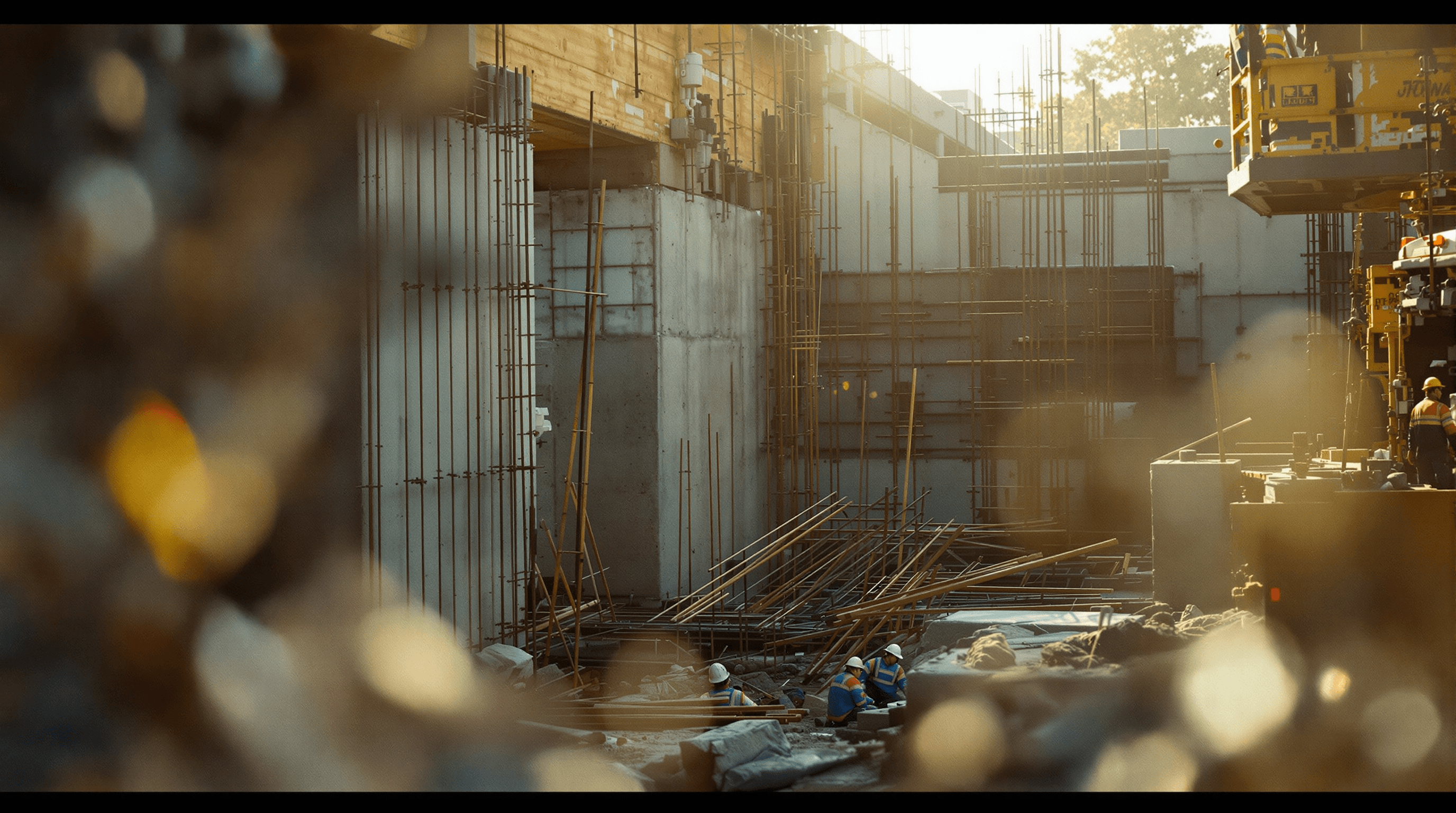
Unpermitted Construction Leads to Scaffold Collapse at Brooklyn Site
The Department of Buildings violation at 1906 East 1st Street tells a familiar story. Workers faced a deadly combination: unpermitted construction and inadequate safety measures. The two-story concrete masonry unit (CMU) structure — roughly 20 feet long — was built without permits or proper documentation. When scaffolding collapsed at this Midwood construction site, the injury wasn't just an accident. It was the predictable result of cutting corners on both permits and worker safety.
This violation, numbered 26-00832, forced a partial vacation of the rear yard extension. The DOB found the unpermitted work "poses a severe structural hazard because undocumented work could collapse." For any worker injured in this [scaffold collapse accident](/accidents/scaffold-collapse), New York Labor Law 240 provides strong legal protection regardless of the permit status.
Day 1: The Scaffold Collapse Accident Happens
Immediate Medical Response
The moment scaffolding fails at a site like 1906 East 1st Street, everything changes. Emergency responders arrive — typically FDNY EMS for Brooklyn accidents. The injured worker gets transported to nearby hospitals like Kings County Hospital or NYU Langone Brooklyn.
But here's what most workers don't know: what you say at the scene matters legally. Insurance investigators often arrive quickly. They're not your friends. Don't give detailed statements about what happened. Instead, focus on getting medical care and protecting your legal rights.
Evidence Preservation Begins
While you're receiving medical treatment, critical evidence starts disappearing. Weather conditions change. Equipment gets moved. Witnesses go home. This is why immediate documentation matters. If you're conscious and able, take photos. Get witness contact information. Note the time and conditions.
At the Brooklyn site on East 1st Street, the unpermitted construction created additional complications. The DOB violation suggests serious safety lapses. This strengthens any Labor Law 240 claim significantly.
First Contact with Insurance
Within hours, insurance adjusters start calling. They represent the property owner, general contractor, or scaffolding company. Remember: they're investigating to minimize their client's liability. Don't provide recorded statements. Don't sign anything. Simply say you're seeking medical treatment and legal advice.
Week 1: Medical Treatment and Legal Consultation
Medical Priorities
Scaffold falls often cause multiple injuries. At hospitals like Brooklyn Methodist or Mount Sinai Brooklyn, doctors focus on immediate threats: head injuries, spinal damage, broken bones. But some injuries don't appear immediately. Traumatic brain injuries can develop over days. Internal bleeding might not show symptoms right away.
Keep detailed medical records. Every doctor visit, every test, every prescription matters for your case. Insurance companies scrutinize medical treatment closely. Gaps in treatment hurt your claim.
Finding the Right Attorney
Not every lawyer understands construction accidents. You need someone who knows Labor Law 240 inside and out. Someone who's handled scaffold collapse cases. Someone who understands how unpermitted construction affects liability.
During initial consultations, ask specific questions: - How many Labor Law 240 cases have you handled? - What were the outcomes? - How do you handle unpermitted construction sites? - Who pays your fees?
Initial Case Investigation
A qualified attorney starts investigating immediately. They'll visit the accident site — in this case, the Midwood property where the unpermitted CMU structure created dangerous conditions. They'll photograph everything, interview witnesses, and request all relevant documents.
The DOB violation becomes crucial evidence. It proves the site owner knew about unsafe conditions. This strengthens the Labor Law 240 case significantly.
Months 1-3: The Legal Process Unfolds
Understanding Labor Law 240 Protection
New York Labor Law 240(1) — the "Scaffold Law" — provides absolute liability protection for injured construction workers. If you're hurt in a fall from a scaffold, ladder, or other elevation-related work, the property owner and general contractor are liable regardless of fault.
This law doesn't require proving negligence. It doesn't matter if you were partially at fault. The Brooklyn scaffold collapse at 1906 East 1st Street falls squarely under Labor Law 240(1) protection.
Identifying All Liable Parties
Construction sites involve multiple parties. Each might bear legal responsibility:
**Property Owner**: The person or entity who owns 1906 East 1st Street bears automatic liability under Labor Law 240. Unpermitted construction doesn't eliminate this responsibility — it strengthens it.
**General Contractor**: If a GC supervised the work, they're also liable under Labor Law 240. Even if they didn't directly hire the injured worker.
**Scaffolding Company**: If a separate company provided or erected the scaffold, they face potential liability under Labor Law 241(6) and common law negligence.
**Subcontractors**: Various subs might bear responsibility depending on their role in the accident.
Insurance Company Tactics
Insurance companies deploy predictable strategies to minimize payouts:
Your attorney should handle all insurance communications. Don't speak directly with adjusters or attend medical exams without legal representation.
Case Valuation Factors
Several factors determine case value in scaffold collapse accidents:
**Injury Severity**: Minor fractures versus spinal cord injuries create vastly different values.
**Lost Wages**: Construction workers often earn substantial hourly wages. Extended time off work adds up quickly.
**Future Medical Needs**: Some injuries require lifetime care. Spinal injuries, traumatic brain injuries, and amputations create ongoing expenses.
**Pain and Suffering**: New York allows compensation for physical pain, emotional distress, and reduced quality of life.
**Liability Strength**: Labor Law 240 cases with clear elevation-related falls typically result in higher settlements.
Months 3-12: Building the Strongest Case
Medical Treatment Continues
Recovery from scaffold falls often takes months or years. Some workers need multiple surgeries, extensive physical therapy, and occupational rehabilitation. Others face permanent disabilities requiring lifetime adaptations.
Consistent medical treatment strengthens your case. Insurance companies look for treatment gaps to argue injuries aren't serious. Follow all medical advice. Attend every appointment. Complete prescribed therapy programs.
Expert Witness Development
Construction accident cases often require expert testimony. Engineers analyze scaffold failures. Medical experts explain injury severity and future needs. Vocational experts calculate lost earning capacity.
The unpermitted construction at 1906 East 1st Street requires additional expertise. Building code experts can explain how the lack of permits created dangerous conditions. OSHA experts might testify about federal safety violations.
Discovery Process
Formal discovery allows your attorney to gather critical evidence:
**Document Requests**: All permits, safety plans, inspection records, and incident reports related to the Brooklyn site.
**Depositions**: Sworn testimony from supervisors, coworkers, and safety personnel who witnessed conditions at the accident site.
**Site Inspections**: Formal examination of the property, equipment, and any remaining scaffold components.
Settlement Negotiations Begin
Most construction accident cases settle before trial. Insurance companies prefer avoiding the unpredictability and expense of jury trials. But they start with lowball offers — often 10-20% of actual case value.
Experienced attorneys know when to negotiate and when to prepare for trial. They understand current jury verdict trends and use that knowledge to push for fair settlements.
Year 1+: Resolution and Recovery
Trial Preparation vs. Settlement
As cases approach trial, settlement values typically increase. Insurance companies face the prospect of Labor Law 240's strict liability and sympathetic injured worker plaintiffs. Brooklyn juries particularly favor construction workers over property owners and contractors.
However, some cases must go to trial. When insurance companies refuse reasonable settlements, trial becomes necessary to achieve justice.
Typical Settlement Ranges for Scaffold Collapse Cases
Scaffold collapse settlements vary significantly based on injury severity and case facts:
*Settlement amounts vary substantially based on injury severity, liability clarity, jurisdiction, comparative fault, and specific case facts. Figures below reflect ranges from reported New York construction verdicts and settlements. Past results do not guarantee future outcomes. Your case may differ significantly. Consult an attorney for an evaluation of your specific situation.*
Post-Settlement Considerations
Successful case resolution provides financial security but doesn't end the journey. Many injured workers face ongoing medical needs, career changes, and lifestyle adaptations.
Consider these post-settlement priorities:
**Medical Care Coordination**: Ensure settlement funds cover future medical needs adequately.
**Vocational Rehabilitation**: Some workers can return to construction. Others need retraining for different careers.
**Financial Planning**: Large settlements require careful management to provide long-term security.
Labor Law 240's Special Protection for Construction Workers
New York Labor Law 240(1) provides unique protection unavailable in most states. This "absolute liability" law means property owners and general contractors are responsible for elevation-related construction accidents regardless of fault.
The law covers specific activities: - Erecting, demolishing, repairing, altering, painting, or cleaning buildings - Work performed at heights requiring scaffolds, ladders, or other safety devices - Activities where gravity-related accidents might occur
The Brooklyn accident at 1906 East 1st Street clearly falls under Labor Law 240 protection. The unpermitted construction doesn't eliminate this coverage — it potentially strengthens the case by demonstrating additional safety violations.
Why Unpermitted Construction Strengthens Your Case
The DOB violation at the Midwood site creates several legal advantages:
**Evidence of Recklessness**: Building without permits suggests deliberate corner-cutting that extends to safety measures.
**Code Violations**: Unpermitted work often violates multiple building and safety codes, creating additional liability theories.
**Enhanced Damages**: Some jurisdictions allow punitive damages when defendants show reckless disregard for safety.
**Jury Appeal**: Jurors respond negatively to contractors who ignore basic legal requirements like permits.
What Injured Workers Should Do Immediately
If you're hurt in a construction accident like the Brooklyn scaffold collapse, take these immediate steps:
The combination of Labor Law 240's strict liability and evidence of unpermitted construction creates strong cases for injured workers. But you need experienced legal representation to work through the complex process and achieve maximum compensation.
For more information about [construction accident compensation](/blog/construction-accident-settlement-amounts-ny) and [Labor Law 240 protection](/blog/labor-law-240-scaffold-law-explained), consult with qualified legal counsel who understands New York construction law.
Remember: insurance companies have teams of lawyers working to minimize your compensation from day one. You deserve the same level of professional representation fighting for your rights and recovery.