Roof Falls and the Scaffold Law: Your Rights When Working at Height
The Danger Above
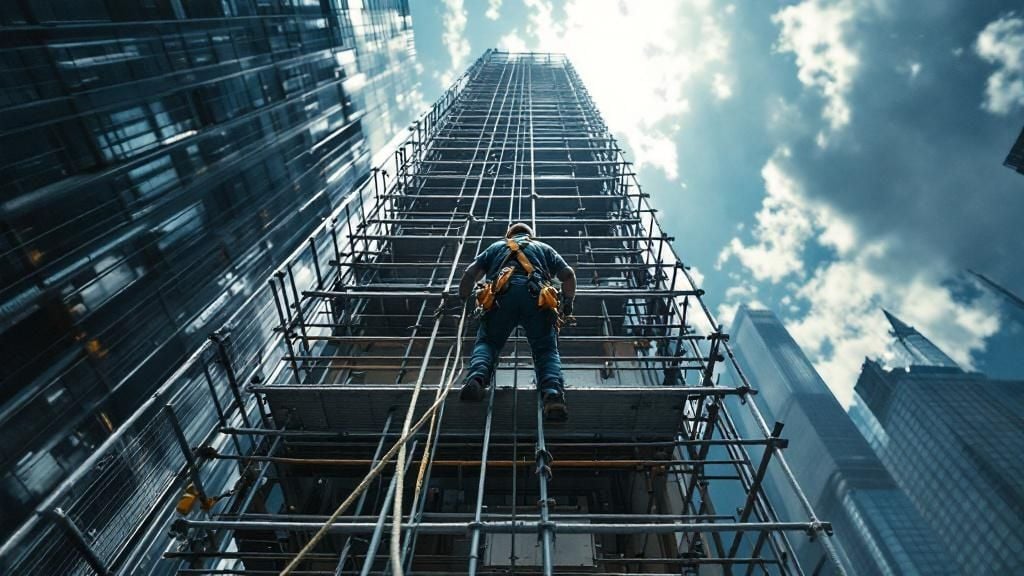
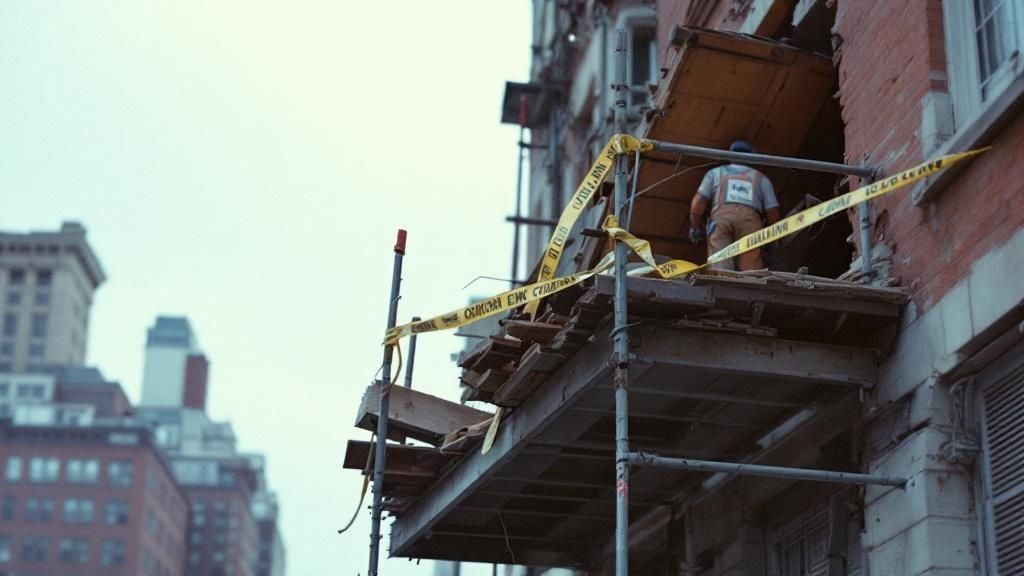
Roofing is consistently ranked among the most dangerous construction occupations. Workers face falls from height, through skylights and roof openings, and from unstable surfaces—often in weather conditions that increase risk. Every year, hundreds of workers fall from roofs in New York State, with many suffering life-changing injuries or death.
New York's Labor Law 240, the Scaffold Law, provides powerful protection for workers injured in roof falls. Understanding how the law applies to roofing work is essential for every worker in this hazardous trade.
In 2023, a Queens roofer fell 25 feet through an unmarked skylight opening during commercial roof repairs. The GC had removed the skylight three days earlier but didn't install covers or warning barriers. That case settled for $2.8 million after establishing clear Labor Law 240 liability. The worker's back injuries ended his roofing career permanently.
Why Roof Work Is So Dangerous
Roofing combines multiple hazard factors:
Height:
Sloped and Unstable Surfaces:
Weather Exposure:
Openings and Edges:
Material Handling:
OSHA's Roof Safety Requirements
Federal OSHA regulations under 29 CFR 1926.501 require specific fall protection for roofing work. These aren't suggestions—they're mandatory safety standards with clear trigger heights and protection methods.
For conventional fall protection systems, OSHA requires guardrails that meet 29 CFR 1926.502(b) specifications. Top rails must be 39 to 45 inches high, with mid-rails at half that height. The system must withstand 200 pounds of force applied within 2 inches of the top edge.
Personal fall arrest systems under 29 CFR 1926.502(d) must have anchor points capable of supporting 5,000 pounds per worker attached. The complete system—harness, lanyard, and anchor—must limit maximum arresting force to 1,800 pounds and limit free fall distance to 6 feet.
But New York's Industrial Code Rule 23 often goes further.
New York's Stricter Roof Requirements
New York's 12 NYCRR 23-5 contains scaffold and elevated work platform requirements that exceed federal OSHA standards. These rules specifically address roof work hazards and create additional obligations for contractors.
Under 12 NYCRR 23-5.3, any elevated work platform over 10 feet requires guardrails—not the 15-foot federal threshold. That means roofing work on single-story buildings often triggers New York's stricter requirements.
Section 12 NYCRR 23-1.7 requires covers over openings that can support twice the maximum intended load. But it also requires that covers be color-coded and marked to indicate the hazard beneath. Federal OSHA doesn't require this visual warning system.
When both federal OSHA and New York Industrial Code violations exist, it strengthens Labor Law 241(6) claims significantly. That section requires proving a specific safety regulation was violated—and having two sets of violated rules makes that easier.
Types of Roof Falls
Falls from the edge:
Falls through openings:
Falls through the roof itself:
Falls from access equipment:
Required Roof Fall Protection
OSHA and New York regulations require fall protection for roof work:
Conventional Fall Protection:
Warning Line Systems:
Personal Fall Arrest Systems:
Hole Covers:
Skylight Protection:
Real Cases Show the Pattern
A Manhattan office building project in 2024 saw three OSHA citations before a roofer fell through an unguarded opening. The violations were documented: missing guardrails (29 CFR 1926.501), uncovered openings (29 CFR 1926.502), and inadequate training (29 CFR 1926.503). The worker fell 18 feet to the floor below, suffering multiple fractures.
That case settled for $3.2 million. The GC's insurance company tried arguing the worker was intoxicated, but toxicology results were clean. They tried claiming he wasn't wearing his harness properly, but no harness was provided. They tried shifting blame to the roofing subcontractor, but Labor Law 240 doesn't allow that defense.
In a Brooklyn warehouse roof replacement, OSHA found that temporary roof openings weren't covered or guarded. The citation under 29 CFR 1926.501(b)(14) was issued two weeks before a worker fell through one of those openings. The fall caused spinal injuries requiring multiple surgeries. Settlement: $4.1 million.
These aren't unusual cases. They're typical patterns in New York roof fall litigation.
Labor Law 240 and Roof Falls
New York's Scaffold Law provides critical protection for roof workers:
What makes Labor Law 240 powerful:
Common Labor Law 240 roof scenarios:
The key legal question isn't whether you were careful. It's whether the owner and general contractor provided adequate safety devices for the work being performed. Under Labor Law 240(1), that duty is absolute for elevation-related injuries.
Settlement Ranges for Roof Fall Cases
Roof fall settlements vary based on injury severity, age, and earning capacity, but typical ranges in New York include:
Minor injuries (sprains, cuts, brief treatment): $75,000 - $300,000
Moderate injuries (broken bones, surgery required): $400,000 - $1.2 million
Severe injuries (multiple fractures, spinal damage): $1.5 million - $4 million
Catastrophic injuries (paralysis, brain injury, death): $3 million - $12 million
These ranges reflect Labor Law 240's strict liability standard. When proper safety devices aren't provided, the strength of liability allows focus on damages rather than fault-fighting.
A 2023 Bronx case involved a roofer who fell from an unguarded edge during commercial work. Back surgery, ongoing pain, inability to return to roofing. Age 34 with good work history. Settlement: $2.1 million.
Hurt on a Construction Site?
Tell us what happened. A licensed New York attorney will review your case and call you — free, no obligation.
In Queens, a skylight fall caused traumatic brain injury to a 28-year-old roofer. Cognitive impairment, personality changes, unable to work. Settlement: $6.8 million after establishing that no skylight protection existed.
Specific Roof Hazards
Steep-slope roofing:
Low-slope roofing:
Built-up and hot roofing:
Renovation and tear-off:
Metal roofing:
Common Contractor Excuses (And Why They Don't Work)
General contractors and their insurers use predictable defenses in roof fall cases. Here's why they typically fail under Labor Law 240:
"He wasn't wearing his harness properly." Personal fall arrest equipment must be provided first. If no anchor points existed or equipment wasn't available, worker behavior doesn't matter.
"We hired a qualified roofing contractor." Labor Law 240 liability can't be delegated to subcontractors. Owners and GCs remain liable regardless of who they hire.
"The worker was experienced and should have known better." Worker experience doesn't reduce the duty to provide safety devices. Even experienced workers need protection from height-related hazards.
"It was the worker's decision to go on the roof." If the work required roof access, adequate protection must be provided. Workers can't be blamed for performing assigned tasks.
"Weather conditions made it unsafe to work." Then work should have been stopped or additional protection provided. Weather makes safety devices more important, not less.
The Role of OSHA Violations
OSHA citations don't create private lawsuits, but they're powerful evidence in Labor Law 240 cases. When OSHA inspectors find safety violations before or after accidents, it proves the contractor knew—or should have known—about the hazards.
A Staten Island roof project had OSHA citations for missing guardrails (29 CFR 1926.501(b)(1)) and inadequate fall protection training (29 CFR 1926.503(a)(1)). Three months later, a worker fell from the same unprotected edge. The pre-existing citations made liability clear and settlement negotiations faster.
OSHA's violation history database shows patterns of non-compliance. Repeat violators face enhanced penalties, and that history strengthens injury claims. GCs who've been cited multiple times for the same violations can't claim ignorance.
Labor Law 241(6): The Specific Regulation Route
While Labor Law 240 covers elevation-related hazards generally, Labor Law 241(6) requires proving specific Industrial Code violations. For roof work, common 241(6) claims include:
12 NYCRR 23-1.7(e): Covers over openings must support twice the maximum load and be secured against displacement.
12 NYCRR 23-1.7(f): Openings must be guarded by standard railings or covered.
12 NYCRR 23-5.1(c): Guardrails required on open sides of elevated work areas.
12 NYCRR 23-1.5(c): Personal protective equipment must be provided and used.
The advantage of 241(6) claims is they apply to more types of construction hazards than Labor Law 240. But they require proving the specific regulation was violated, which means knowing exactly which Industrial Code section applies.
After a Roof Fall: Protecting Your Rights
If you've fallen from a roof:
Additional steps for roof fall cases:
Insurance Company Tactics
Roof fall cases trigger immediate insurance company response. Expect investigators at the site quickly, often before OSHA arrives. They're not there to help—they're gathering evidence to minimize payouts.
Common tactics include:
Immediate recorded statements: They'll want your version while you're injured and medicated. Politely decline until you've consulted an attorney.
Quick settlement offers: Low initial offers before you know the extent of your injuries. These rarely cover long-term medical needs or lost earning capacity.
Blame-shifting: They'll look for any way to make the accident your fault rather than address missing safety equipment.
Medical surveillance: Insurance doctors who minimize injuries and rush back-to-work clearances.
Delay tactics: Dragging out the process hoping you'll accept less due to financial pressure.
Having legal representation levels this playing field significantly.
The Economics of Roof Safety
Proper roof fall protection costs a fraction of injury settlements. Basic guardrail systems cost $15-30 per linear foot. Personal fall arrest equipment runs $200-500 per worker. Skylight screens cost $50-200 per opening.
Compare that to average roof fall settlements of $1.5-4 million for serious injuries. The math is clear: safety equipment pays for itself many times over by preventing a single accident.
But contractors often skip protection anyway, gambling that accidents won't happen on their jobs. When they lose that gamble, workers pay with their bodies while property owners and GCs pay with large settlements.
Labor Law 240 forces this economic calculation by making the cost of accidents predictable and substantial.
The Roofer's Burden
Roofing is essential work that makes buildings weathertight and habitable. It's also extraordinarily dangerous, and those dangers are often invisible to people who don't do the work. Property owners benefit from safe, dry buildings; they should bear responsibility for ensuring the workers who create that safety are themselves protected.
Labor Law 240 reflects this reality. When property owners and contractors fail to provide adequate fall protection for roof work, they're liable for the consequences. This isn't just a legal principle—it's a recognition that the profit from construction shouldn't come at the cost of workers' bodies.
Your Life After a Roof Fall
Roof falls often cause permanent, life-altering injuries:
These injuries may prevent you from ever returning to roofing—or to physical work at all. The compensation you receive needs to account for a lifetime of consequences, not just immediate medical bills.
A 42-year-old roofer fell through a Queens warehouse skylight in 2022. Spinal cord injury, partial paralysis, inability to work. Medical expenses exceeded $800,000 in the first year alone. Lost wages over his working lifetime: $1.3 million. Pain and suffering for permanent disability: immeasurable.
That case settled for $5.2 million, reflecting the full scope of lifetime damages.
Immigration Status Doesn't Matter
Many roofers worry that immigration status affects their rights under New York Labor Law. It doesn't. Courts have consistently held that Labor Law 240 and 241(6) protect all workers regardless of documentation status.
In Balbuena v. IDR Realty LLC, New York's highest court ruled that undocumented workers can recover full damages under the Labor Laws, including future lost earnings. Immigration status can't be used to reduce compensation.
This protection is crucial in roofing, where many workers are immigrants. They shouldn't face additional risks because of documentation concerns.
Choosing the Right Attorney
Roof fall cases require attorneys who understand both the technical aspects of roofing work and the specific requirements of New York Labor Law. Look for:
Don't accept quick settlement offers without consultation. Roof fall cases routinely settle for $1-5 million when injuries are severe and legal representation is competent.
The Time Factor
New York's statute of limitations for Labor Law claims is three years from the accident date. But evidence preservation is critical from day one. Site conditions change, witnesses forget details, and documentation disappears.
The sooner you consult an attorney, the better your case development will be. Evidence gathered immediately after accidents is far more valuable than reconstructions months later.
Your Rights Are Clear
If you've been injured in a roof fall in New York, the law is on your side. Labor Law 240 creates strict liability for property owners and general contractors when adequate safety devices aren't provided. You don't need to prove negligence—just that proper protection was missing.
The roofing industry knows these hazards exist. Safety equipment and procedures are readily available. When contractors choose profit over protection, they're liable for the consequences under New York law.
Make sure you use that protection. Your livelihood—and your life—may depend on it.
Related: Brooklyn Ladder Fall: Understanding Your Legal Rights Under New York's Scaffold Law
Related: Accidentes de Andamio en Nueva York — Lo Que Necesita Saber
Related Reading
Primary sources
Frequently Asked Questions
Can I sue if I fell through a roof while working construction?▼
What safety equipment is required for roof work in NY?▼
How much can I get for a roof fall injury settlement?▼
How long do I have to file a lawsuit for my roof accident?▼
Who can I sue if my employer provided no roof safety equipment?▼
Get a Free Case Review
Find out if you have a claim under New York Labor Law. A licensed NY attorney will review your case and call you back.