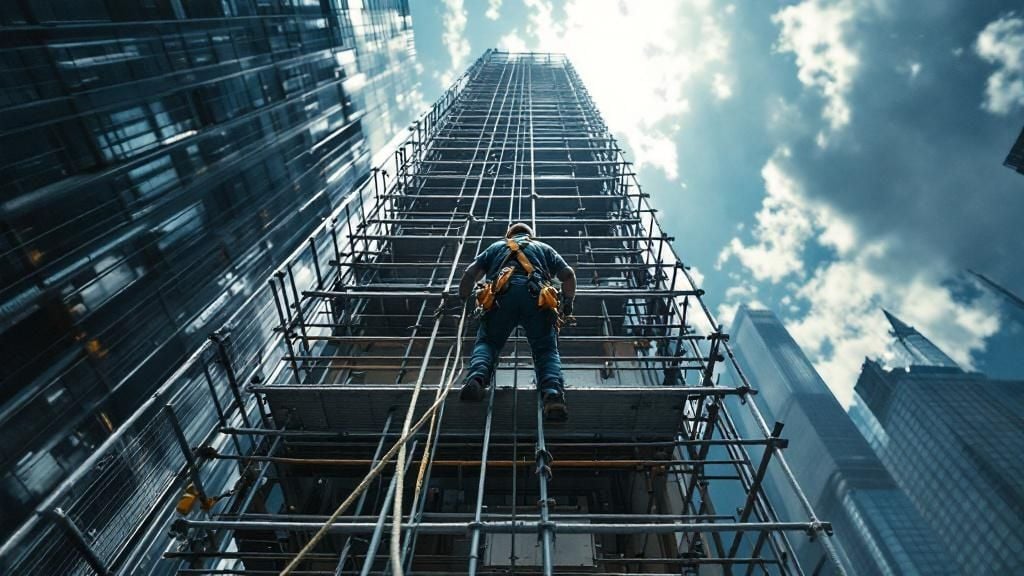
Scaffolding is essential to construction work, but it's also one of the leading causes of workplace injuries and deaths. According to OSHA, scaffold-related accidents account for thousands of injuries each year, with many resulting in permanent disabilities or fatalities.
Why Scaffold Accidents Happen
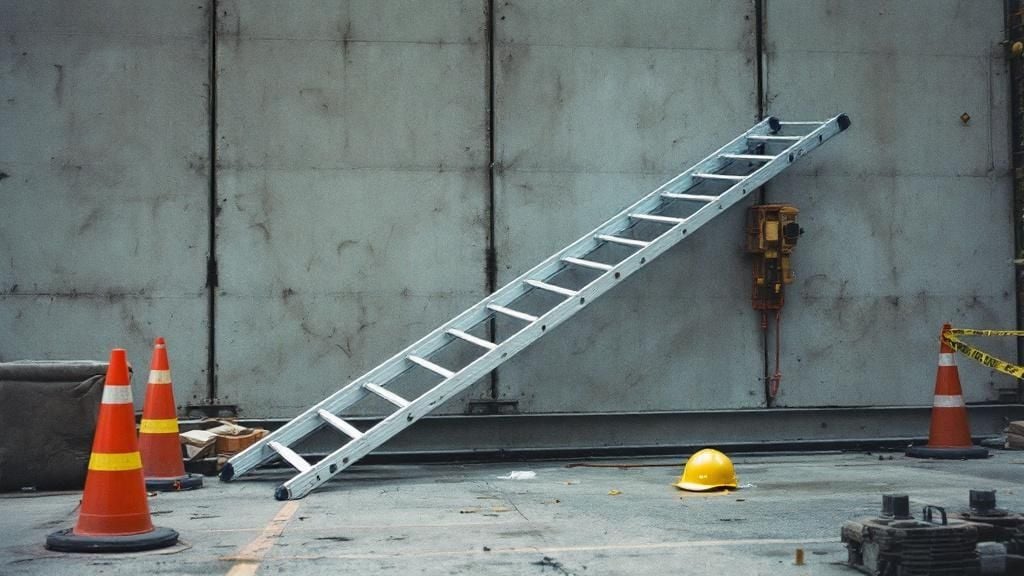
Most scaffold accidents are preventable. Common causes include:
New York's Scaffold Law provides powerful protections for injured workers. If you fell from a scaffold or were injured by something falling from a scaffold, you likely have significant legal rights:
Strict liability applies - The property owner and general contractor are automatically responsible if proper safety equipment wasn't provided
Comparative negligence is limited - Your own mistakes generally won't reduce your compensation
Full compensation is available - Unlike workers' comp, you can recover for pain and suffering, lost wages, and more
What Proper Scaffold Safety Looks Like
Under OSHA and New York regulations, safe scaffolding requires:
Scaffolds must be erected on stable, level surfaces
All platforms must be fully planked with no gaps
Guardrails at 42 inches, mid-rails, and toeboards are required
Hurt on a Construction Site?
Tell us what happened. A licensed New York attorney will review your case and call you — free, no obligation.
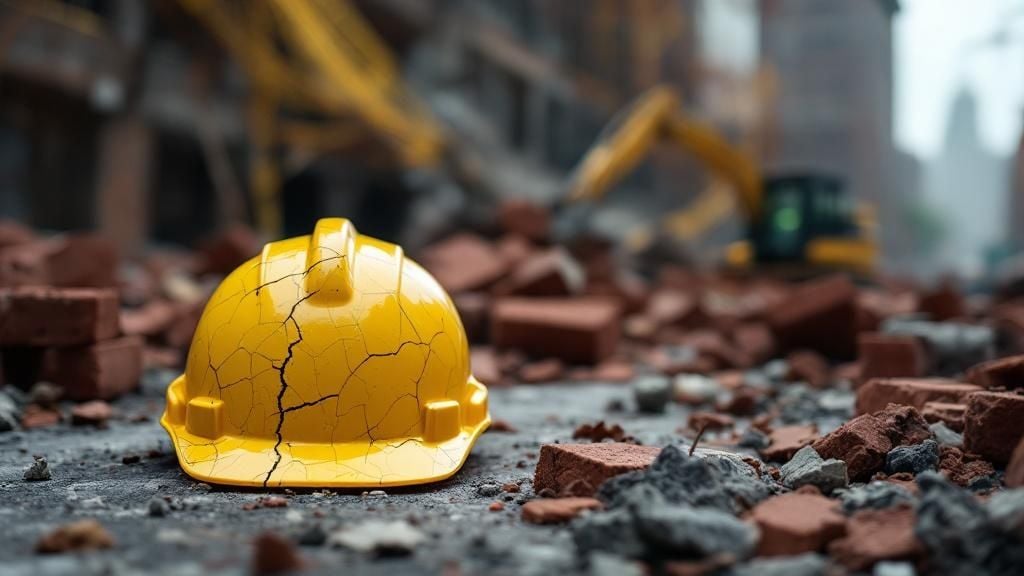
These injuries can mean months or years of medical treatment, inability to work, and permanent changes to your quality of life. That's why Labor Law 240 allows workers to pursue full compensation—not just the limited benefits available through workers' compensation.
Protecting Yourself
While your employer and the property owner bear legal responsibility for safety, you can also protect yourself:
Never work on a scaffold that looks unsafe
Report hazardous conditions immediately
Use all provided safety equipment
Know your right to refuse unsafe work
Document any safety concerns
Remember: If you're injured because proper safety wasn't provided, that's not your fault—it's theirs.
The Federal Standards That Most Often Apply
Three OSHA standards are cited together on most New York scaffold-fall investigations:
29 CFR 1926.501 — Fall Protection (General Requirements): 6,763 federal citations issued in fiscal year 2024. This is the standard that requires guardrails, safety net systems, or personal fall arrest systems for any worker on a walking/working surface six feet or more above a lower level.
29 CFR 1926.451 — Scaffolding: 1,937 federal citations in fiscal year 2024. Covers scaffold construction, capacity, planking, guardrails, and access.
29 CFR 1926.503 — Fall Protection Training: 2,217 federal citations in fiscal year 2024. Requires that workers be trained by a competent person on the specific fall hazards on their job site.
A citation under any of these standards is admissible evidence in a Labor Law 241(6) claim and is usually the first thing a construction-injury attorney requests when investigating a scaffold fall.
Get a Free Case Review
Find out if you have a claim under New York Labor Law. A licensed NY attorney will review your case and call you back.
The information in this article is for educational purposes only and does not constitute legal advice. Every case is unique. For advice about your specific situation, please consult with a qualified attorney. This is attorney advertising.