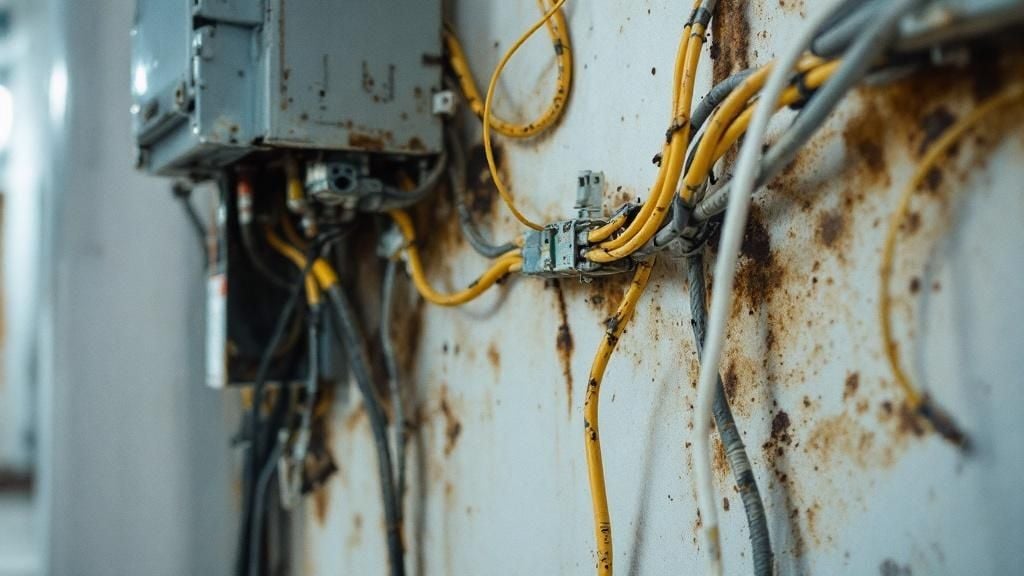
Construction workers at a New York building site
Full Compensation Protection

Construction Burns & Chemical Exposure

Burns and chemical exposure injuries on New York construction sites can cause permanent disfigurement, chronic pain, and lasting disability. If you've suffered burn injuries or toxic chemical exposure at work, Labor Law 241(6) and common law negligence may entitle you to significant compensation beyond workers' compensation.

The Devastating Impact of Construction Burns

Burn injuries and chemical exposures cause severe, often permanent harm to construction workers. These statistics from OSHA and BLS reveal the scope of this occupational hazard.

4,500+
Burn injuries annually

Over 4,500 construction workers suffer burn injuries requiring medical treatment each year, ranging from minor first-degree burns to life-threatening third-degree injuries.

13%
Of construction chemical injuries

Chemical burns and toxic exposures account for 13% of all chemical-related injuries in the construction industry, with acids and caustic substances being primary culprits.

35,000°F
Arc flash temperature

Electrical arc flash incidents can generate temperatures exceeding 35,000°F—four times hotter than the sun's surface—causing instantaneous third-degree burns.

21 days
Average recovery time

Workers with serious burn injuries lose an average of 21 workdays per incident, with severe cases requiring months or years of treatment and rehabilitation.

Understanding Construction Burns and Chemical Exposure

Burns and chemical exposure represent some of the most painful and devastating injuries that construction workers can suffer. Unlike many other construction injuries that heal with time, severe burns often cause permanent disfigurement, chronic pain syndromes, and psychological trauma that affects victims for the rest of their lives.

Types of Burns in Construction

**Thermal burns** are caused by contact with hot objects, flames, or steam: - Torch and welding burns from cutting and welding operations - Steam burns from pressurized pipe leaks - Hot tar and asphalt burns during roofing work - Flash fires from flammable material ignition - Contact with hot machinery, pipes, or equipment - Burns from construction site fires and explosions

**Chemical burns** result from contact with corrosive or caustic substances: - Cement burns from prolonged contact with wet concrete - Acid burns from cleaning solutions and chemicals - Caustic burns from solvents and industrial cleaners - Adhesive chemical burns from construction adhesives - Paint stripper and industrial solvent burns - Chemical reactions from incompatible material mixing

**Electrical burns** occur when electrical current passes through the body: - Contact burns at entry and exit points of electrical current - Arc flash burns from electrical explosions - Internal burns along the path of electrical current - Flash burns from nearby arc flash events - Secondary burns from electrically-ignited fires

**Radiation burns** from construction-related sources: - UV burns from welding without proper eye protection (welder's flash) - Sunburn from prolonged outdoor work without protection - Burns from industrial heating equipment

Understanding the type of burn is critical for both medical treatment and legal claims, as different causes of burns implicate different responsible parties and safety violations.

Common Causes of Construction Burns and Chemical Exposure

Most construction burn injuries and chemical exposures are entirely preventable with proper safety measures. Understanding the common causes helps establish liability and prevent future injuries.

Hot Work Operations

Welding, cutting, and brazing create extreme fire and burn hazards: - Failure to establish hot work permits and fire watches - Welding near flammable materials without protection - Inadequate ventilation during welding operations - Missing or damaged welding curtains and barriers - Defective welding equipment causing arc flash - Sparks igniting nearby combustible materials

Roofing and Waterproofing

Hot tar and torch-applied roofing materials cause severe burns: - Kettle tip-overs spilling hot asphalt - Improper torch handling during membrane application - Burns from contact with freshly applied hot materials - Steam burns from moisture under hot membranes - Flash fires from propane torch equipment

Concrete Work

Wet concrete causes severe chemical burns often not recognized until significant damage occurs: - Prolonged skin contact with wet cement - Concrete entering boots and remaining against skin - Failure to provide waterproof gloves and boots - Kneeling in wet concrete without protection - Inadequate washing facilities to remove concrete - Failure to train workers on cement burn hazards

Chemical Storage and Handling

Improper chemical management creates exposure risks: - Unlabeled or mislabeled chemical containers - Incompatible chemicals stored together - Failure to provide Safety Data Sheets (SDS) - Inadequate ventilation in chemical storage areas - Missing or inadequate personal protective equipment - Improper chemical transfer procedures

Electrical Hazards

Electrical work and contact with power sources cause burns: - Working on energized circuits without proper protection - Arc flash from electrical panel work - Contact with overhead power lines during [crane accidents](/accidents/crane-accidents) - Defective electrical equipment causing fires - Failure to implement lockout/tagout procedures - Inadequate arc-rated personal protective equipment

Explosions and Fires

Uncontrolled combustion events cause mass burn injuries: - Gas leaks igniting during construction - Cutting into pressurized fuel lines - Dust explosions in confined spaces - Propane tank explosions from improper handling - Arson or accidental fires spreading through construction sites

Types of Burn Injuries and Their Severity

Burn injuries are classified by depth and severity. Understanding these classifications is essential for documenting damages and pursuing appropriate compensation.

First-Degree Burns (Superficial)

These affect only the outer layer of skin (epidermis): - Red, dry, painful skin without blisters - Similar to mild sunburn - Usually heal within 3-7 days without scarring - May still warrant medical evaluation and documentation

Second-Degree Burns (Partial Thickness)

These damage the epidermis and part of the dermis: - Red, blistered, very painful, and wet-appearing - May take 2-6 weeks to heal depending on depth - Deeper second-degree burns may require skin grafts - Can cause permanent scarring and changes in skin color - Increased risk of infection requiring medical monitoring

Third-Degree Burns (Full Thickness)

These destroy the entire thickness of skin: - White, brown, or black leathery appearance - May be painless initially due to nerve destruction - Always require medical treatment, often skin grafting - Cause permanent scarring and potential disfigurement - May result in loss of function in affected areas

Fourth-Degree Burns

These extend beyond skin into deeper tissues: - Damage to muscle, tendons, and bone - Life-threatening injuries requiring emergency care - May necessitate amputation of affected limbs - Extensive reconstructive surgery required - Often fatal when covering large body surface areas

Chemical Burn Progression

Chemical burns have unique characteristics: - Damage may continue until chemical is fully removed - Initial appearance may underestimate actual damage - Internal tissue damage may be worse than visible injury - Some chemicals require specific neutralization agents - Cement burns often not recognized until damage is severe

Inhalation Injuries

Breathing smoke, chemicals, or superheated air causes: - Lung tissue damage and scarring - Airway swelling potentially blocking breathing - Chemical pneumonitis from toxic fume exposure - Long-term respiratory complications - Can be fatal even with minimal visible external burns

The total body surface area (TBSA) affected by burns significantly impacts prognosis and compensation. Burns covering more than 20% TBSA are considered major injuries with high mortality risk.

Need help understanding your case?

Free, confidential consultation—no obligation.

Free Case Review

Legal Protections for Burn Injury Victims

New York law provides multiple avenues for workers burned on construction sites to recover compensation. Understanding these protections is essential to maximizing your recovery.

Labor Law 241(6) - Industrial Code Violations

Labor Law 241(6) requires property owners and general contractors to comply with specific Industrial Code regulations. For burn and chemical exposure cases, relevant regulations include:

  • **12 NYCRR 23-1.7(d)** - Slipping hazards: Requires protection against contact with hot surfaces and materials
  • **12 NYCRR 23-1.10** - Protection from fire: Requires fire extinguishers, fire prevention measures, and fire safety planning
  • **12 NYCRR 23-1.24** - Personal protective equipment: Mandates appropriate PPE for hazardous operations
  • **12 NYCRR 23-9.5** - Welding and cutting: Specific requirements for hot work operations

Violations of these codes establish negligence per se, meaning the violation itself proves negligence without requiring additional evidence of unreasonable conduct.

Labor Law 200 and Common Law Negligence

Property owners and general contractors have a duty to provide a reasonably safe workplace. For burn injuries, this includes:

  • Ensuring proper chemical labeling and Safety Data Sheets
  • Providing appropriate personal protective equipment
  • Maintaining safe chemical storage areas
  • Supervising hot work operations
  • Training workers on burn hazards and prevention
  • Maintaining fire suppression equipment

OSHA Regulatory Violations

OSHA violations may support negligence claims:

  • **29 CFR 1926.352** - Fire prevention during welding and cutting
  • **29 CFR 1926.59** - Hazard communication (chemical labeling)
  • **29 CFR 1926.55** - Gases, vapors, fumes, dusts, and mists
  • **29 CFR 1926.150** - Fire protection requirements
  • **29 CFR 1910.132** - Personal protective equipment requirements

Product Liability Claims

Defective products causing burns may support manufacturer liability: - Defective welding equipment - Faulty electrical equipment causing arc flash - Improperly designed chemical containers - Defective personal protective equipment - Equipment lacking required safety features

Workers' Compensation Plus Third-Party Claims

While workers' compensation provides no-fault benefits, third-party lawsuits can recover full damages including pain and suffering against: - Property owners who failed to maintain a safe site - General contractors who controlled the work - Chemical manufacturers with defective products - Equipment suppliers with dangerous equipment

Proving Your Construction Burn Injury Case

Successfully pursuing a burn injury claim requires thorough documentation and expert analysis. Here's what's needed to build a strong case.

Documenting the Incident

Immediately after the injury (or as soon as possible): - Photograph the scene, including chemicals, equipment, and conditions - Photograph your injuries throughout the healing process - Identify and interview witnesses to the incident - Preserve any defective equipment or chemical containers - Obtain copies of all incident reports filed - Request Safety Data Sheets for any chemicals involved

Medical Evidence

thorough medical documentation is essential: - Complete records of all emergency and hospital treatment - Photographs of burns at each stage of healing - Documentation of all surgeries and procedures - Records of skin grafting and reconstructive surgery - Ongoing pain management documentation - Psychological counseling records for trauma - Future medical care projections from specialists

Expert Witnesses

Complex burn cases often require expert testimony: - Industrial safety experts to identify violations - Fire investigators if explosion or fire involved - Chemical engineers for toxic exposure cases - Medical experts on burn treatment and prognosis - Economists for lost wage and earning capacity calculations - Life care planners for future medical needs

Establishing Causation

You must prove the burn resulted from defendant's negligence: - Show specific safety code or OSHA violations - Connect the violation directly to your injury - Demonstrate lack of safety equipment or training - Prove defendant knew or should have known of hazard - Establish defendant's control over the work area or methods

Common Defenses and How to Overcome Them

Defendants may argue: - **Worker negligence**: Comparative fault can reduce but not eliminate recovery - **Open and obvious hazard**: Employers still must provide protection - **Equipment was properly maintained**: Maintenance records can be subpoenaed - **Worker failed to use provided PPE**: Question whether PPE was adequate and available

An experienced construction accident attorney can anticipate and counter these defenses while building a compelling case for maximum compensation.

Need help understanding your case?

Free, confidential consultation—no obligation.

Free Case Review

Compensation for Construction Burn Injuries

Burn injuries often result in substantial compensation due to the severity and permanence of the harm. Understanding what damages you can recover helps you make informed decisions.

Workers' Compensation Benefits

All injured workers receive workers' comp regardless of fault: - Full coverage of reasonable medical expenses - Wage replacement benefits (typically 2/3 of average weekly wage) - Scheduled loss of use awards for permanent impairment - Vocational rehabilitation if unable to return to prior work - Death benefits for surviving family members

Workers' comp is "no-fault" but limits recovery—you cannot recover pain and suffering.

Third-Party Lawsuit Damages

Lawsuits against property owners, contractors, or manufacturers can provide:

Economic damages:

Past and future medical expenses including surgeries

Skin grafting and reconstructive surgery costs

Ongoing wound care and treatment

Past and future lost wages

Reduced earning capacity from disfigurement

Home modification expenses for disabilities

Cost of future care needs and life care planning

Non-economic damages:

Pain and suffering from burns and treatment

Emotional distress and psychological trauma

Loss of enjoyment of life

Permanent disfigurement and scarring

Loss of consortium (for spouses)

Settlement Ranges for Burn Cases

Burn injury settlements vary based on severity: - Minor first-degree burns with full recovery: $25,000 - $100,000 - Second-degree burns requiring treatment: $100,000 - $500,000 - Second-degree burns with permanent scarring: $250,000 - $1,000,000 - Third-degree burns requiring grafts: $500,000 - $3,000,000+ - Severe disfiguring burns: $1,000,000 - $10,000,000+ - Fatal burn injuries: $2,000,000 - $15,000,000+

Factors Increasing Case Value

Several factors can significantly increase compensation: - Visible scarring on face, hands, or exposed areas - Burns affecting joints limiting mobility - Young age of victim (longer life with disability) - High pre-injury income - Gross negligence or safety code violations - Multiple surgical procedures required - Chronic pain syndrome development - Psychological trauma including PTSD

New York has no cap on damages in construction injury cases, allowing full recovery for all documented harm.

*Settlement amounts vary based on injury severity, jurisdiction, and case facts. Figures reflect reported NY construction verdicts. Source: NY State court records. Your case may differ significantly.*

Preventing Construction Burns and Chemical Exposure

Property owners, general contractors, and employers have legal duties to prevent burn injuries. Failure to implement these safety measures can establish liability.

Hot Work Safety Program

Before welding, cutting, or brazing: - Implement hot work permit system - Establish fire watches during and after operations - Clear combustible materials from work area - Provide fire extinguishers within 35 feet - Install welding curtains and barriers - Train workers in emergency response

Chemical Safety Management

Proper handling of hazardous chemicals: - Maintain complete Safety Data Sheet library - Label all chemical containers properly - Provide appropriate personal protective equipment - Train workers on chemical hazards and first aid - Install emergency eyewash and shower stations - Store incompatible chemicals separately - Ensure adequate ventilation in chemical use areas

Personal Protective Equipment

Required protection for burn hazards: - Flame-resistant clothing for hot work - Chemical-resistant gloves and boots for concrete - Face shields and welding helmets - Arc-rated PPE for electrical work - Chemical splash goggles and face shields - Respiratory protection as needed

Concrete Work Protections

Specific measures to prevent cement burns: - Waterproof gloves and rubber boots - Long sleeves and pants with no skin exposure - Immediate washing when concrete contacts skin - Training on cement burn recognition - Accessible washing facilities on site - Barrier creams as additional protection

Electrical Safety Measures

Preventing electrical burns requires: - De-energizing circuits before work - Arc flash hazard assessment - Proper arc-rated PPE - Safe work distances from energized equipment - Ground fault circuit interrupter protection - Regular equipment inspection and maintenance

Emergency Response Planning

Preparation for burn emergencies: - First aid supplies specifically for burns - Training in burn first response - Emergency eyewash and shower stations - Clear evacuation routes from fire areas - Communication systems for emergencies - Coordination with local emergency services

What To Do After a Construction Burn Injury

If you've suffered a burn or chemical exposure on a construction site, taking the right steps can protect both your health and your legal rights.

Immediate First Aid

For thermal burns: - Cool the burn with running water for 10-20 minutes - Do not use ice, butter, or other home remedies - Remove jewelry and tight clothing near the burn - Cover loosely with clean, dry bandage - Do not break blisters

For chemical burns: - Remove contaminated clothing immediately - Flush affected area with large amounts of water (20+ minutes) - Check Safety Data Sheet for specific instructions - Remove contact lenses if chemicals touched eyes - Continue flushing until emergency responders arrive

Seek Medical Attention

Burns requiring immediate medical care: - Any third-degree burn (white, brown, or leathery) - Burns covering large areas of the body - Burns on face, hands, feet, genitals, or major joints - Burns completely encircling a limb - Chemical burns, especially to eyes - Inhalation injuries with breathing difficulty - Burns in very young or elderly victims - Electrical burns (may have internal damage)

Document Everything

Preserve evidence to support your claim: - Photograph injuries immediately and throughout healing - Photograph the scene, equipment, and conditions - Preserve chemical containers and defective equipment - Identify witnesses and get contact information - Request copies of all incident reports - Obtain Safety Data Sheets for chemicals involved - Keep all medical records and bills organized

Report the Incident

Ensure proper documentation: - Report to supervisor immediately - File written incident report with employer - Report to OSHA if hospitalization required - Request copies of all reports filed - Document any safety violations observed

Protect Your Legal Rights

Steps to preserve your claim: - Do not give recorded statements to insurance without legal advice - Do not sign any documents you don't understand - File workers' compensation claim promptly (C-3 form) - Contact an experienced construction accident attorney - Preserve evidence and documentation - Document all symptoms, treatment, and limitations

Workers' Compensation Filing

Protect your right to benefits: - File C-3 form with Workers' Compensation Board - You have two years to file but act immediately - Benefits include medical treatment and wage replacement - Accepting workers' comp does not prevent third-party lawsuit - Follow all treatment recommendations to protect claim

Key Facts About Burns & Chemical Exposure

Over 4,500 construction workers suffer burn injuries annually

Arc flash can reach temperatures of 35,000°F

Cement burns often go unrecognized until severe damage occurs

Chemical burns require immediate and prolonged flushing

Common Safety Violations

No fire watch during hot work

Missing or inadequate PPE

Improper chemical storage and handling

No emergency eyewash stations

Failure to provide Safety Data Sheets

Inadequate ventilation for chemical work

Frequently Asked Questions About Construction Burns

Get answers to common questions about burn injury claims and legal protections.

Suffered a Burn Injury on a Construction Site?

Burn injuries cause devastating, often permanent harm that affects every aspect of your life. If you've been burned or suffered chemical exposure on a construction site, a free consultation can help you understand your options. There's no obligation—just answers when you need them most.

24/7 Free Consultation
No Fee Unless You Win

This page is for informational purposes only and does not constitute legal advice. Every case is unique. For advice about your specific burn or chemical exposure case, please consult with a qualified attorney. This website is operated by NY Construction Advocate, a licensed New York attorney. This is attorney advertising.

Call NowFree Case Review