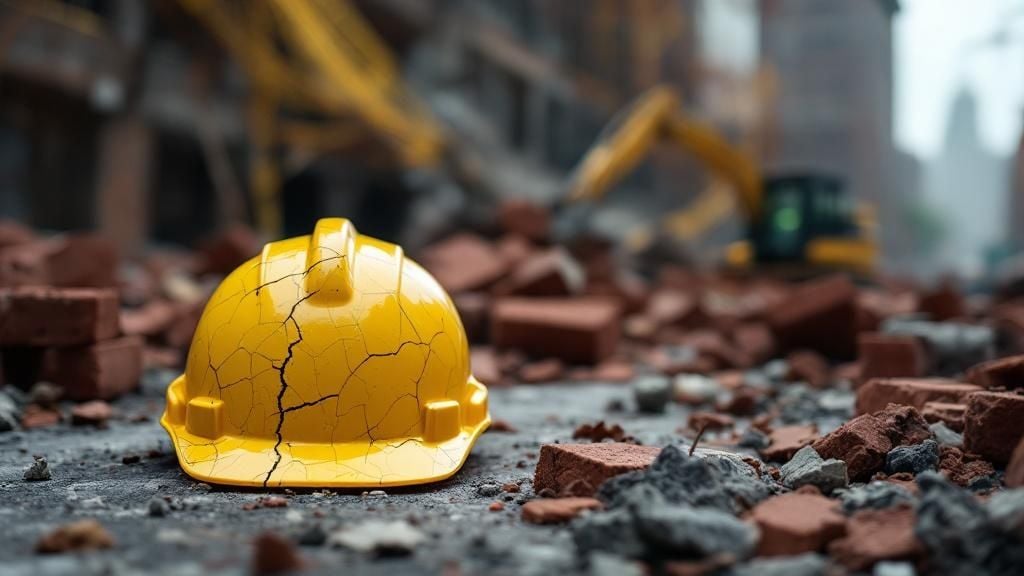
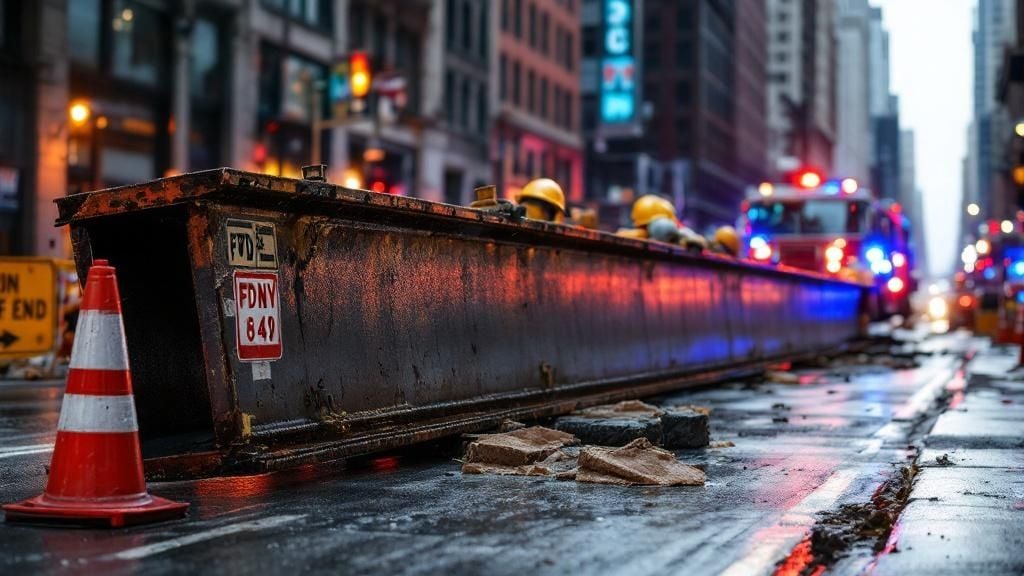
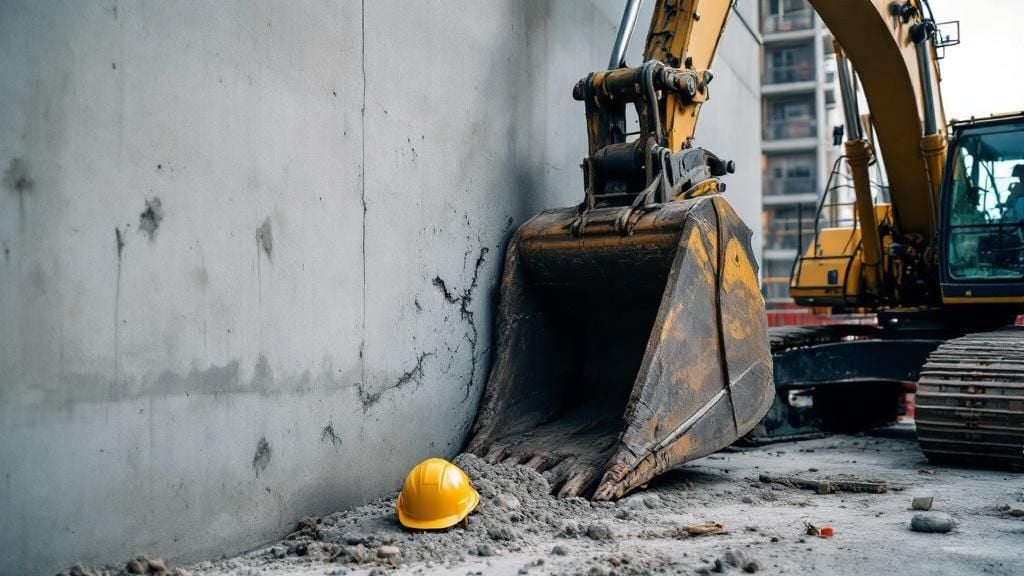
Construction workers at a New York building site
OSHA Fatal Four Protection

Struck-By Accidents: Complete Legal Guide for Construction Workers

Struck-by accidents are one of OSHA's 'Fatal Four' construction hazards, accounting for approximately 11% of all construction worker fatalities each year. These devastating incidents kill nearly 100 construction workers annually and injure tens of thousands more. From falling tools and debris to swinging crane loads and backing vehicles, struck-by hazards are ever-present on New York construction sites. If you've been injured by falling objects, swinging loads, or moving equipment on a construction site, you may have significant legal rights under Labor Law 240, 241(6), and common law negligence. The absolute liability provisions of New York's Scaffold Law provide particularly powerful protections for workers struck by objects that fall due to gravity-related hazards.

The Deadly Reality of Struck-By Accidents

Struck-by hazards kill and injure thousands of construction workers annually. These statistics from OSHA and BLS reveal the scope of this preventable problem.

11%
Of construction fatalities

Struck-by accidents account for approximately 11% of all construction worker deaths, making them one of OSHA's 'Fatal Four' hazards.

75,000+
Struck-by injuries annually

According to BLS, over 75,000 struck-by injuries occur in U.S. construction every year, many causing permanent disability.

40%
From falling objects

OSHA reports that approximately 40% of struck-by fatalities involve objects falling from elevation onto workers below.

25%
Vehicle-related incidents

Per BLS data, about one-quarter of struck-by fatalities involve vehicles backing into workers or equipment collisions.

What Are Struck-By Accidents? Understanding the Four Categories of Hazards

Struck-by accidents in construction occur when a worker is hit by an object, vehicle, or piece of equipment that was set in motion by an external force. Unlike "caught-in" or "caught-between" hazards where workers become trapped, struck-by accidents involve objects impacting workers with sufficient force to cause injury or death. OSHA categorizes struck-by hazards into four main types, each presenting distinct risks and requiring specific prevention measures.

The Physics of Impact: Why Struck-By Accidents Are So Devastating

The severity of struck-by injuries relates directly to physics: force equals mass times acceleration. Even relatively light objects become deadly weapons when falling from height or propelled at high velocity. A one-pound wrench dropped from 50 feet impacts with approximately 356 foot-pounds of energy. A five-pound hammer falling the same distance delivers nearly 1,800 foot-pounds. These forces easily fracture skulls, crush vertebrae, and cause fatal internal injuries.

Vehicle strikes present even greater force because of the mass involved. A 10,000-pound forklift traveling at just 5 mph impacts with over 25,000 foot-pounds of energy, equivalent to being struck by a small car. Even low-speed vehicle impacts frequently cause fatal crushing injuries.

Understanding these physics helps explain why struck-by accidents rank among construction's deadliest hazards and why prevention through engineering controls, protective equipment, and safe work practices is so critical.

Struck-By Flying Objects: The Projectile Hazard

Flying object hazards involve tools, debris, or materials that become high-velocity projectiles through mechanical force, compressed air, or explosive release. Unlike falling objects governed primarily by gravity, flying objects can travel horizontally or even upward, making them difficult to predict and protect against.

Common sources of flying object hazards include:

*Powder-Actuated Tools*: These tools use explosive charges to drive fasteners into concrete, steel, and other hard materials. When fasteners strike reinforcing steel, voids, or unsuitable substrate, they can ricochet with lethal velocity. Spall material (chips of concrete or steel) can also become projectiles. OSHA requires that only trained operators use powder-actuated tools and that all persons in the area wear eye and face protection.

*Compressed Air Tools*: Pneumatic nailers, staple guns, and other compressed air tools propel fasteners with tremendous force. Accidental discharge, double-fires, and fasteners that penetrate through materials create flying object hazards. Workers have been killed by nails penetrating through thin materials and striking workers on the opposite side.

*Grinding and Cutting Operations*: Abrasive wheels, circular saws, and cut-off tools create flying debris as they work. Wheel failures can launch fragments at extremely high velocities. Cutting through unknown materials can release unexpected projectiles when hidden components are struck.

*Demolition Activities*: Breaking concrete, cutting steel, and dismantling structures releases fragments that can travel significant distances. Chunks of concrete, pieces of reinforcing steel, and building components become projectiles during demolition.

*Chipping and Breaking Operations*: Jackhammers, chipping guns, and breaking operations create continuous streams of flying debris. Workers and bystanders face ongoing exposure to flying material throughout these operations.

Struck-By Falling Objects: Gravity's Deadly Force

Falling object hazards are perhaps the most common struck-by risk on construction sites, particularly on multi-story projects where work occurs at multiple elevations simultaneously. Objects fall from scaffolds, aerial lifts, structural steel, roofs, and through floor openings.

Key falling object hazard sources include:

*Tools Dropped from Height*: Unsecured hand tools are frequently dropped from scaffolds, ladders, and aerial work platforms. A falling hammer or wrench can easily kill a worker below. Tool tethering requirements exist specifically because this hazard is so common and so preventable.

*Materials Falling Through Openings*: Floor openings, shaft openings, and wall openings allow materials to fall from upper levels to lower levels. Debris, small materials, and even larger components can fall through openings that are not properly covered or guarded.

*Overhead Work Debris*: Workers above generate debris that falls on workers below. Cutting, grinding, welding, and other overhead operations create streams of falling material. Paint chips, rust, dust, and small debris may seem minor but can cause eye injuries and, in larger quantities, create substantial hazards.

*Crane Load Drops*: Failure of rigging, improper load attachment, or mechanical failure can cause crane loads to drop. Given the mass of materials handled by cranes, load drops are frequently fatal to anyone struck.

*Structural Collapse*: During demolition, renovation, or construction, structural components can fall unexpectedly. Walls, columns, beams, and roof sections have collapsed onto workers, causing mass casualty events.

*Material Storage Failures*: Improperly stacked or secured materials can fall when disturbed or when storage structures fail. Lumber stacks, pipe bundles, masonry units, and other stacked materials create substantial falling object hazards.

Struck-By Swinging Objects: The Pendulum Effect

Swinging object hazards occur when loads, equipment, or materials move in an arc and strike workers who are in the swing path. The pendulum effect of swinging loads can generate tremendous force, and the arc of swing may be difficult to predict.

Primary swinging object hazards include:

*Crane Load Swing*: When crane loads are lifted off the ground, they naturally seek the center point beneath the boom tip. This movement can cause significant side-to-side swing. Improper rigging, sudden boom movements, and wind can all cause loads to swing unpredictably. Workers in the swing radius can be struck with tremendous force.

*Excavator and Backhoe Operations*: The rotating superstructure of excavators creates a continuous swing hazard. Workers within the swing radius can be struck by the counterweight, bucket, or boom. Backhoe operations create similar hazards with the swinging bucket and boom.

*Structural Steel Erection*: During steel erection, beams and columns suspended from cranes can swing when the wind catches them or when they're released from temporary supports. Ironworkers face particular exposure to swinging steel hazards.

*Suspended Equipment*: Welding leads, air hoses, suspended platforms, and other equipment hanging from overhead structures can swing when disturbed or when support fails. The weight and momentum of suspended equipment can cause serious injuries when it strikes workers.

*Improperly Secured Loads on Vehicles*: When loads shift on trucks, flatbeds, or trailers, they can swing outward and strike workers during loading, unloading, or transport. Materials that break loose during transport can swing with their remaining attachments.

Struck-By Rolling Objects: Mobile Hazards

Rolling object hazards involve vehicles, equipment, and materials that move along the ground and strike workers. This category includes both powered vehicles and unpowered objects that roll due to gravity or other forces.

*Construction Vehicles*: Dump trucks, concrete trucks, delivery vehicles, and other construction vehicles create significant struck-by hazards, particularly when backing. Limited visibility, lack of warning systems, and congested site conditions contribute to vehicle strikes.

*Material Handling Equipment*: Forklifts, telehandlers, and other material handling equipment operate in close proximity to pedestrian workers. The combination of limited operator visibility, material obstructing sight lines, and workers focused on their tasks creates frequent near-misses and strikes.

*Cylindrical Materials*: Pipes, tubes, conduit, and other round materials can roll when disturbed or when blocking is removed. Workers have been killed when pipe bundles broke loose and rolled over them.

*Equipment Roll-Away*: Equipment that is not properly parked, blocked, or secured can roll due to grade, vibration, or accidental contact. Equipment rolling into excavations, off edges, or into workers creates both struck-by and caught-between hazards.

New York City's Amplified Risks

Construction in New York City presents amplified struck-by risks due to the unique characteristics of urban high-rise construction:

*Vertical Construction*: Multi-story buildings under construction have workers at many different elevations simultaneously. Objects dropped from upper floors have more distance to accelerate and more workers below who could be struck.

*Congested Sites*: NYC construction sites are typically tight, with minimal space between the work area and adjacent buildings, streets, and pedestrian areas. This congestion places more workers in hazard zones and limits escape routes.

*Multiple Contractors*: Large NYC projects involve numerous subcontractors working simultaneously. Coordination challenges mean that workers from one contractor may not know what hazards workers from another contractor are creating overhead or nearby.

*Street-Level Risks*: Construction adjacent to public sidewalks and streets creates struck-by risks for pedestrians and passersby. Falling object protection (sidewalk sheds, debris nets) is required but not always adequate.

*Limited Staging Areas*: Deliveries often occur directly into work areas due to lack of staging space. This brings vehicle and material handling hazards into areas where workers are performing other tasks.

Legal Protections for Struck-By Victims Under New York Law

New York provides some of the strongest legal protections in the nation for workers injured in struck-by accidents. The state's Labor Law creates multiple avenues for recovery, with Labor Law 240 providing absolute liability protection for many struck-by accidents involving falling objects.

Labor Law Section 240(1) - The Scaffold Law and Falling Objects

New York Labor Law Section 240, the "Scaffold Law," is one of the most powerful worker protection statutes in the country. While often associated with fall protection, Section 240 equally applies to workers struck by falling objects due to inadequate hoisting, securing, or placing of materials.

The statute requires that workers be provided with "proper protection" when working at elevated heights or when materials are being hoisted or secured at elevation. When this protection is inadequate and a worker is struck by a falling object, property owners and general contractors face absolute liability.

Key Elements for Section 240 Struck-By Claims:

*Gravity-Related Hazard*: The object that struck you must have been falling due to gravity. This includes objects dropped from scaffolds, objects falling through floor openings, crane loads that drop, materials knocked off elevated surfaces, and debris from overhead work.

*Inadequate Protection*: There must have been a failure to provide adequate protection against the falling object hazard. This can include absence of toe boards on scaffolds, missing debris nets, failure to secure materials, inadequate overhead protection (canopies), and improperly rigged crane loads.

*Proximate Cause*: The inadequate protection must have been a proximate cause of your injury. This is typically straightforward in falling object cases where a worker is struck by something that fell from above.

What Section 240 Does NOT Require:

*Proof of Negligence*: Unlike ordinary negligence claims, you do not need to prove that the defendant did anything unreasonable. The mere fact that protection was inadequate and you were injured establishes liability.

*Freedom from Comparative Fault*: Even if your own actions contributed to the accident, you can still recover full damages. Comparative negligence is not a defense to Section 240 claims. Courts have upheld full recovery even when workers were in areas where they shouldn't have been, when workers removed their hard hats, or when workers' own actions set events in motion.

Types of Struck-By Accidents Covered by Section 240:

Labor Law 240 has been applied to a wide range of struck-by scenarios:

  • Workers struck by tools or materials dropped from scaffolds, ladders, or aerial platforms
  • Workers struck by objects falling through unprotected floor or shaft openings
  • Workers struck by crane loads that dropped due to rigging failure or mechanical malfunction
  • Workers struck by materials that fell because they weren't properly secured or stacked
  • Workers struck by demolition debris falling from above
  • Workers struck by structural components that collapsed
  • Workers struck by objects displaced by other workers above

Labor Law Section 241(6) - Industrial Code Violations

Labor Law 241(6) requires property owners and general contractors to ensure construction sites comply with specific safety regulations in the Industrial Code. Unlike Section 240's absolute liability, Section 241(6) requires proof that a specific, applicable Industrial Code regulation was violated and that this violation caused your injury.

Industrial Code Regulations Relevant to Struck-By Accidents:

*12 NYCRR 23-1.7 - Protection from General Hazards*: This thorough regulation addresses multiple struck-by hazards including falling objects, overhead hazards, and sharp projections. Subsection (a) specifically addresses overhead hazards and requires that work not be performed beneath areas where there is a danger of being struck by falling objects unless the employee is provided with adequate protection.

*12 NYCRR 23-1.8 - Personal Protective Equipment*: This regulation requires that hard hats be provided and worn where there is a danger of being struck by falling objects. Failure to provide or require hard hats supports Section 241(6) claims.

*12 NYCRR 23-2.1 - Maintenance and Housekeeping*: Requirements for keeping work areas free of debris and maintaining safe conditions. Violations can contribute to struck-by accidents when debris accumulates overhead.

*12 NYCRR 23-2.3 - Demolition*: Specific requirements for debris removal, structural stability during demolition, and protection of workers below demolition activities.

*12 NYCRR 23-4.2 - Excavation Protection*: Requirements for protecting workers from materials falling into excavations.

*12 NYCRR 23-5 - Scaffolding*: Requirements for toe boards, debris nets, and other protection against objects falling from scaffolds.

*12 NYCRR 23-8.1 - Hoisting Equipment*: thorough requirements for crane and hoisting equipment operation, including rigging, load limits, and safety devices.

*12 NYCRR 23-9.2 - Motorized Equipment*: Requirements for construction vehicles including backup alarms, visibility, and operator training.

Section 241(6) and Comparative Negligence:

Unlike Section 240, comparative negligence applies to Section 241(6) claims. Your recovery may be reduced by your percentage of fault. However, violation of a specific Industrial Code regulation is powerful evidence that shifts focus to the defendant's failures rather than any alleged fault on your part.

Labor Law Section 200 and Common Law Negligence

Labor Law Section 200 codifies the common law duty to maintain a safe workplace. For struck-by accidents, Section 200 claims typically require proof that:

*The defendant controlled the work that caused the injury*: If the defendant (owner or general contractor) controlled the methods and means of the work that created the struck-by hazard, they can be liable under Section 200.

*Alternatively, the defendant had notice of a dangerous condition*: If the struck-by accident resulted from a dangerous condition at the site (such as debris accumulation or unstable stacked materials), the defendant can be liable if they created the condition or knew (or should have known) about it.

Vehicle Strike Claims Under Section 200:

Many struck-by vehicle accidents proceed primarily under Section 200 and common law negligence because Labor Law 240's gravity-related protections don't typically apply. Vehicle strikes may involve:

  • General contractor's negligent failure to establish traffic control plans
  • Owner's failure to separate pedestrian and vehicle areas
  • Employer's failure to train operators or maintain equipment
  • Equipment owner's negligent entrustment to unqualified operators

Identifying All Liable Parties

Struck-by accidents often involve multiple potentially liable parties:

*Property Owners*: Strictly liable under Section 240 for falling object accidents. Liable under Sections 241(6) and 200 where requirements are met. Cannot escape liability through contracts or delegation.

*General Contractors*: Share the same exposure as property owners under Sections 240 and 241(6). Often have more direct involvement in site safety that creates additional negligence exposure.

*Subcontractors*: While not covered by Sections 240 or 241(6) as defendants, subcontractors can be liable under common law negligence for hazards they create. The ironworker subcontractor whose rigging fails, the demolition contractor whose debris falls, or the equipment subcontractor whose operator strikes a worker all face potential liability.

*Equipment Operators*: Individual operators may be liable for negligent operation that causes struck-by injuries. This is particularly relevant in vehicle strike cases.

*Equipment Owners*: Owners of cranes, forklifts, and other equipment may be liable for failure to maintain equipment or for negligent entrustment to unqualified operators.

*Manufacturers*: When equipment defects cause struck-by accidents (such as a crane cable that fails or a vehicle with defective brakes), product liability claims against manufacturers may supplement Labor Law claims.

Insurance Implications

Each liable party typically carries separate insurance. Identifying all defendants is important because:

  • Multiple insurance policies increase available coverage
  • Different insurers may take different settlement positions
  • Manufacturer product liability insurance may provide substantial additional coverage
  • Umbrella policies may supplement primary coverage

Common Causes of Struck-By Accidents and Prevention Failures

Struck-by accidents result from identifiable safety failures that employers have a duty to prevent. Understanding these causes is essential both for prevention and for establishing liability when accidents occur. Most struck-by accidents involve multiple contributing factors, each representing a failure of the safety systems that should protect workers.

Inadequate Protective Systems: Engineering Controls That Failed

The first line of defense against struck-by hazards is engineering controls that physically prevent objects from falling, contain hazards within boundaries, or separate workers from hazard zones. When these controls are absent or inadequate, struck-by accidents become far more likely.

*Missing or Damaged Toe Boards*: Scaffolding toe boards prevent tools and materials from being kicked off scaffold platforms. When toe boards are missing, broken, or have gaps exceeding the allowed dimensions, objects easily fall onto workers below. Toe board violations are common on scaffolds, particularly as scaffolding is modified or moved during projects.

*Absent Debris Nets and Catch Platforms*: On high-rise construction, debris nets below elevated work areas catch falling objects before they can strike workers or pedestrians below. Catch platforms serve similar functions. The absence of these systems on projects where overhead work occurs is a clear safety failure.

*No Overhead Protection for Workers Below*: When work must occur below areas where objects may fall, canopies, hard barriers, or other overhead protection should be provided. Sidewalk sheds protect pedestrians from construction debris. Similar protection should extend to workers in drop zones. Failure to provide such protection is negligence and often violates Industrial Code requirements.

*Inadequate Barricades Around Swing Zones*: Crane swing radius areas, excavator working zones, and other equipment swing paths should be barricaded to prevent worker entry. When barricades are missing or ineffective, workers wander into swing zones and are struck.

*Missing Tool Lanyards and Tethering Systems*: Tools used at height should be tethered to prevent drops. Lanyards, tethers, and tool pouches are simple and effective. Failure to provide and require tool tethering is an easily avoidable failure.

*Inadequate Material Securement*: Materials stored or staged at elevation must be secured against falling. Banding, bracing, blocking, and proper stacking techniques prevent material falls. Failure to properly secure materials is a frequent cause of struck-by accidents.

Poor Communication and Planning: Systemic Failures

Construction sites involve multiple trades working simultaneously in shared spaces. Without effective communication and coordination, struck-by hazards multiply as workers are unaware of hazards created by others' activities.

*No Designated Signal Persons for Crane Operations*: Crane operations require signal persons to communicate with operators and to keep workers clear of load paths and swing zones. When signal persons are not assigned, workers may not receive warnings of hazards, and crane operators may not see workers in danger.

*Failure to Establish Swing Radius Zones*: Before crane, excavator, or other equipment operations begin, the equipment's swing radius should be identified and marked. Workers should be informed of these zones and prohibited from entering them. When swing zones are not established, workers don't know where dangers exist.

*Inadequate Coordination Between Trades*: When multiple contractors work on the same site, coordination is essential. The general contractor typically bears responsibility for ensuring that one contractor's work doesn't create hazards for another's workers. Lack of coordination leads to scenarios where workers from one trade are struck by falling objects from another trade's work area overhead.

*Missing or Unclear Traffic Control Plans*: Construction sites with vehicle traffic require traffic control plans that separate vehicles from pedestrian workers, establish travel paths, and define right-of-way. Without such plans, vehicles and workers interact in dangerous and unpredictable ways.

*No Pre-Task Safety Planning*: Before beginning work that creates struck-by hazards, crews should conduct pre-task safety planning to identify hazards, establish protective measures, and communicate hazard information to potentially affected workers. Skipping this step means hazards are not identified until after accidents occur.

Equipment and Rigging Failures: Mechanical Causes

Equipment failures and rigging deficiencies cause some of the most severe struck-by accidents because they typically involve heavy loads and occur without warning.

*Worn or Damaged Slings and Rigging*: Wire rope slings, synthetic slings, shackles, hooks, and other rigging hardware wear with use. Regulations require inspection before each use and removal from service when damage or wear exceeds limits. When damaged rigging is used, rigging failures can drop loads onto workers below.

*Overloaded Cranes and Hoists*: Every crane and hoist has rated load limits that must not be exceeded. Overloading stresses structural components beyond design limits and can cause catastrophic failure. Load charts must be followed, and loads must be accurately calculated.

*Improperly Secured Loads*: Loads must be rigged properly for their configuration, with appropriate rigging hardware, proper hitches, and balanced attachment. Improperly rigged loads can shift, slide out of slings, or fall from hooks.

*Defective Vehicle Warning Systems*: Construction vehicles typically require backup alarms to warn workers when vehicles are reversing. When these systems are missing, disabled, or malfunctioning, workers may not receive warning of approaching vehicles.

*Vehicle Brake and Steering Failures*: Defective brakes and steering create vehicle control problems that lead to worker strikes. Vehicles that cannot stop or steer properly may run over workers or collide with workers and equipment.

Worker Positioning Errors: Failure to Maintain Safe Distances

Even when engineering controls and safe work practices exist, struck-by accidents occur when workers position themselves in hazard zones. However, worker positioning errors often reflect systemic failures in training, supervision, and site control rather than individual carelessness.

*Workers in Crane Swing Radius*: Workers must stay outside crane swing radius during operations. When swing radius boundaries are not marked, when workers are not informed, or when work pressures lead workers to enter swing zones, strikes occur.

*Standing Under Suspended Loads*: A fundamental safety rule prohibits standing under suspended crane loads. Violations occur when workers are not trained, when work sequences require activity under loads, or when loads swing unexpectedly into areas where workers are positioned.

*Working in Equipment Blind Spots*: All construction equipment has blind spots where operators cannot see. Workers in blind spots are invisible to operators and are struck when equipment moves. Blind spots should be identified and workers should be trained to stay out of them.

*Inadequate Standoff Distances*: Workers near equipment operations should maintain standoff distances that provide time to react if equipment malfunctions or moves unexpectedly. Working too close to equipment eliminates reaction time.

Site Condition Deficiencies: Housekeeping and Organization Failures

The overall condition of a construction site affects struck-by hazard levels. Poorly organized, cluttered, and poorly maintained sites have higher struck-by accident rates.

*Cluttered Work Areas*: When work areas are cluttered with debris, materials, and equipment, workers may trip and fall into hazard zones, or the clutter itself may shift and strike workers.

*Poor Housekeeping Allowing Debris Accumulation*: Debris from construction operations should be regularly cleaned up. When debris accumulates, it can fall from elevated areas, be kicked into lower areas, or strike workers when disturbed.

*Inadequate Lighting in Travel Paths*: Workers and vehicles in poorly lit areas may not see each other. Inadequate lighting contributes to both vehicle strikes and falls into hazard zones.

*Unmarked Overhead Hazard Zones*: Areas where overhead hazards exist should be clearly marked. Workers approaching unmarked overhead hazard zones may not recognize the danger until struck.

Training Deficiencies: Knowledge Gaps That Kill

Workers cannot protect themselves from hazards they don't recognize. Training deficiencies leave workers ignorant of struck-by hazards and unprepared to protect themselves.

*Workers Unaware of Overhead Hazards*: Workers should be trained to constantly assess overhead conditions and to avoid working under elevated work or overhead hazard zones. Without this training, workers focus on their immediate tasks without considering what may fall from above.

*Riggers Without Proper Certification*: Rigging is a skilled trade requiring training and certification. When unqualified workers perform rigging tasks, rigging failures and load drops result. OSHA requires that riggers be qualified.

*Equipment Operators Inadequately Trained*: Operating cranes, forklifts, and other construction equipment requires specific training on the equipment type. Untrained operators make errors that result in load drops, swinging loads, and vehicle strikes.

*No Struck-By Hazard Awareness Training*: General struck-by hazard awareness training should be part of every construction worker's safety education. This training should cover recognition of the four struck-by hazard types and basic protective measures.

*Supervisors Failing to Enforce Safety Rules*: Even when safety rules exist and workers are trained, supervisors must enforce compliance. When supervisors fail to stop unsafe behaviors, workers take risks that result in struck-by accidents.

Need help understanding your case?

Free, confidential consultation—no obligation.

Free Case Review

Medical Consequences and Injury Patterns from Struck-By Accidents

Struck-by accidents cause some of the most severe injuries in construction due to the force and mass of objects involved. The physics of impact mean that even relatively small objects can cause devastating injuries when falling from height or propelled at velocity. Understanding the medical consequences of struck-by accidents helps victims and their families appreciate the full scope of damages and ensures that legal claims reflect the true impact of injuries.

Head and Brain Injuries: The Most Common Struck-By Consequence

Head injuries are the signature injury of struck-by accidents, particularly those involving falling objects. Despite hard hat requirements, head injuries remain devastatingly common because hard hats have limited protective capacity against heavy objects, glancing blows can displace hard hats, and many struck-by accidents occur with workers not wearing hard hats or wearing them improperly.

*Skull Fractures*: The force of impact from falling or flying objects can fracture the skull in multiple patterns. Linear fractures may be relatively minor, but depressed fractures push bone fragments into brain tissue, causing direct brain injury. Basilar skull fractures at the skull base are particularly serious and frequently cause permanent complications.

*Traumatic Brain Injuries*: TBI occurs when impact forces cause the brain to strike the inner skull surface or when penetrating objects directly damage brain tissue. TBI severity ranges from mild concussion to severe injury with permanent impairment. Moderate to severe TBI frequently causes: - Permanent cognitive impairment affecting memory, concentration, and executive function - Personality changes that transform relationships with family and friends - Speech and language difficulties - Motor impairments affecting coordination and balance - Seizure disorders - Chronic headaches and sensitivity to light and sound

*Concussions and Post-Concussion Syndrome*: Even "mild" TBI (concussion) can cause symptoms lasting months or years. Post-concussion syndrome includes chronic headaches, difficulty concentrating, memory problems, irritability, and depression. Workers with post-concussion syndrome often cannot return to their previous employment.

*Fatal Head Trauma*: Many struck-by head injuries are immediately fatal or cause death within hours despite medical intervention. Severe brain swelling, catastrophic hemorrhage, and brainstem injury overwhelm the brain's ability to survive.

Spinal and Neck Injuries: Devastating Mechanical Damage

The impact forces in struck-by accidents frequently damage the spine, with consequences ranging from chronic pain to complete paralysis.

*Cervical Spine Injuries*: The neck is particularly vulnerable to struck-by injuries because it supports the heavy head with relatively small vertebrae and limited muscular protection. Cervical spine fractures can damage the spinal cord and cause quadriplegia (paralysis of all four limbs). Even without spinal cord damage, cervical injuries cause chronic pain, limited range of motion, and permanent disability.

*Thoracic and Lumbar Spine Injuries*: Lower spinal injuries cause paraplegia when the spinal cord is damaged. Even without paralysis, vertebral fractures require surgical stabilization and cause permanent limitations. Compression fractures, burst fractures, and fracture-dislocations each present different treatment challenges and prognoses.

*Herniated Discs*: Impact forces can rupture intervertebral discs, causing herniation that compresses spinal nerves. Herniated discs cause radiating pain, numbness, and weakness in the extremities. Multiple herniated discs may require staged surgeries with lengthy recovery periods.

*Spinal Cord Injuries*: Complete spinal cord injuries cause permanent paralysis below the injury level. Incomplete injuries may preserve some function but cause weakness, spasticity, and chronic pain. Life expectancy is reduced, and lifelong medical care is required. The costs of spinal cord injury care can exceed millions of dollars over a victim's remaining lifetime.

Crushing Injuries: When Mass Meets Body

Vehicle strikes and heavy falling objects cause crushing injuries that compress body tissues, rupture organs, and destroy structures. Crushing injuries present unique medical challenges.

*Internal Organ Damage*: Crushing forces rupture organs including the liver, spleen, kidneys, and intestines. Internal bleeding can be catastrophic. Hollow organs that rupture spill contents into the abdominal cavity, causing sepsis. Emergency surgery is typically required, and damage may be too extensive for repair.

*Chest Wall Injuries*: Crushing impacts can fracture multiple ribs, creating "flail chest" where a segment of the chest wall moves paradoxically during breathing. Flail chest is immediately life-threatening and requires intensive care. Even without flail chest, multiple rib fractures cause severe pain and impaired breathing.

*Pelvic Fractures*: The pelvis frequently fractures in vehicle strikes and heavy object impacts. Pelvic fractures are associated with massive internal bleeding from disruption of blood vessels within the pelvis. Complex pelvic reconstruction requires specialized surgical teams. Long-term disability is common.

*Compartment Syndrome*: Crushing injuries to limbs cause swelling within muscle compartments. When pressure exceeds blood pressure, tissue death begins. Emergency fasciotomy (cutting open the compartment) is required within hours to prevent permanent muscle death and potential amputation.

*Traumatic Amputation*: The forces involved in vehicle strikes and heavy object impacts can directly sever limbs or damage them beyond salvage. Even when limbs are initially preserved, complications may require later amputation. Loss of limbs transforms victims' lives and requires prosthetics, rehabilitation, and often vocational retraining.

Orthopedic Injuries: Broken Bones and Damaged Joints

Almost all struck-by accidents cause some degree of orthopedic injury. The severity ranges from simple fractures that heal completely to complex injuries causing permanent deformity and disability.

*Multiple Fractures*: Struck-by accidents frequently cause fractures in multiple bones. The combination of injuries may require staged surgeries over months. Total recovery time extends well beyond individual fracture healing times.

*Complex Fractures*: Open fractures (where bone penetrates skin), comminuted fractures (where bone shatters into fragments), and fractures involving joints present treatment challenges. Infection risk is elevated in open fractures. Comminuted fractures may not be reconstructible and may require bone grafting or joint replacement.

*Joint Injuries*: Impact forces damage joints through fractures extending into joint surfaces, ligament ruptures, and cartilage damage. Joint injuries frequently progress to post-traumatic arthritis that worsens over time. Young workers face decades of progressive joint deterioration.

*Permanent Deformity*: Fractures that heal in malposition cause permanent deformity. Leg length discrepancies, angular deformities, and rotational malunion affect function and appearance. Corrective surgeries may help but cannot always restore normal anatomy.

Psychological Consequences: The Invisible Injuries

The psychological impact of struck-by accidents can be as disabling as physical injuries. Mental health treatment should be part of thorough recovery.

*Post-Traumatic Stress Disorder*: Struck-by accidents are sudden, violent, and life-threatening, precisely the characteristics that cause PTSD. Victims may experience flashbacks, nightmares, hypervigilance, avoidance behaviors, and emotional numbing. PTSD can prevent return to construction work and impair all aspects of life.

*Major Depression*: The combination of physical injury, chronic pain, inability to work, financial stress, and changed relationships triggers clinical depression in many struck-by accident survivors. Depression impairs recovery from physical injuries and must be treated alongside them.

*Anxiety Disorders*: Survivors may develop generalized anxiety, panic attacks, or specific phobias related to construction sites, heights, vehicles, or loud noises. Return to construction work may be impossible even when physical recovery permits.

*Chronic Pain Syndromes*: Chronic pain from struck-by injuries creates its own psychological burden. Pain impairs sleep, concentration, and mood. The frustration of ongoing pain despite treatment contributes to depression and anxiety.

*Impact on Family*: Struck-by injuries transform family relationships. Role reversals occur when injured workers can no longer provide financially or assist with household tasks. Personality changes from TBI strain marriages. Children lose the parent they knew. Family members may develop their own psychological conditions from the stress of caregiving.

OSHA Requirements to Prevent Struck-By Hazards

OSHA has established thorough regulations to prevent struck-by accidents that reflect decades of accident investigation and industry best practices. Understanding these requirements helps injured workers identify the specific safety violations that contributed to their accidents and supports legal claims for damages.

Personal Protective Equipment Requirements (29 CFR 1926.100-102)

Personal protective equipment (PPE) represents the last line of defense against struck-by hazards. While engineering controls and safe work practices should be the primary protection methods, PPE provides critical protection when other measures are insufficient or fail.

*Head Protection (29 CFR 1926.100)*: Hard hats are required on construction sites where there is danger of head injury from impact, falling objects, or electrical shock. The standard specifies that hard hats must meet ANSI Z89.1 requirements. Employers must ensure that hard hats are properly fitted, regularly inspected, and replaced when damaged or worn. Hard hats have limitations: they protect against glancing blows and light falling objects but provide minimal protection against heavy objects falling from significant heights.

*Eye and Face Protection (29 CFR 1926.102)*: Flying debris hazards require appropriate eye and face protection. Safety glasses with side shields protect against most flying particles. Face shields provide additional protection for grinding, chipping, and similar operations. The level of protection must match the hazard intensity.

*High-Visibility Apparel*: While not explicitly required by a single OSHA standard, high-visibility vests and clothing are required in many circumstances under the general duty clause and specific standards for highway and road work. On construction sites with vehicle traffic, high-visibility clothing helps operators see pedestrian workers.

*Foot Protection (29 CFR 1926.96)*: Safety footwear with impact protection is required where foot injuries from falling or rolling objects are likely. Steel-toe or composite-toe boots provide protection against crushing injuries from dropped materials.

Falling Object Protection Requirements

Multiple OSHA standards address falling object hazards, reflecting the serious risk these hazards present:

*Scaffold Falling Object Protection (29 CFR 1926.451)*: Scaffolds more than 10 feet above lower levels must have guardrail systems that include toe boards to prevent objects from being kicked off. When workers are below scaffold platforms, additional protection such as debris nets, catch platforms, or canopy structures may be required. Materials stored on scaffolds must be secured against falling.

*Floor and Wall Openings (29 CFR 1926.502)*: Floor holes and openings must be covered or guarded to prevent materials from falling through. Wall openings where materials could fall must have toe boards. Protection must extend to all locations where objects could fall to lower levels.

*Overhead Protection Requirements*: When work occurs above areas where workers are present, OSHA requires implementation of hazard controls. This can include barricading areas below, scheduling work to prevent workers from being in drop zones, installing debris nets or catch platforms, or providing overhead protection.

*General Duty Clause Applications*: Even where no specific standard addresses a falling object hazard, OSHA's General Duty Clause (Section 5(a)(1) of the OSH Act) requires employers to provide workplaces free from recognized hazards likely to cause death or serious harm. Falling object hazards that are foreseeable must be addressed even if no specific standard applies.

Crane and Rigging Safety (29 CFR 1926.1400-1442)

OSHA's crane and derrick standards are among the most thorough in construction safety, reflecting the extreme hazards of crane operations and the catastrophic consequences when loads fall or swing into workers.

*Crane Operator Certification*: Crane operators must be certified by an accredited certification organization. Certification ensures operators have demonstrated the knowledge and skills required for safe operation. Operating cranes without certification violates OSHA standards.

*Competent Person Requirements*: A competent person must supervise crane assembly, disassembly, and operations. The competent person must be capable of identifying existing and predictable hazards and have authorization to take corrective measures.

*Load Chart Compliance*: Every crane lift must comply with the crane's load chart, which specifies maximum loads for various configurations and working radii. Load charts must be visible to operators. Exceeding load chart limits is prohibited and creates extreme risk of crane failure.

*Rigging Inspection*: Rigging equipment must be inspected before each lift. Slings, shackles, hooks, and other hardware must be appropriate for the load and in serviceable condition. Damaged or worn rigging must be removed from service immediately.

*Workers Under Loads*: OSHA specifically prohibits workers from being positioned under suspended loads. This fundamental rule prevents deaths when loads drop unexpectedly. Exceptions are extremely limited and require specific protective measures.

*Tag Lines and Load Control*: Loads must be rigged to prevent uncontrolled movement. Tag lines allow workers to guide loads without standing in the load path. Proper tag line use prevents swinging loads from striking workers.

*Swing Radius Protection*: The crane's swing radius must be identified and workers must be kept out of the swing area during operations. Physical barriers, warning signs, and signal persons help enforce swing radius boundaries.

Motor Vehicle and Equipment Safety (29 CFR 1926.600-602)

Construction site vehicle operations create significant struck-by hazards. OSHA standards address both equipment condition and operating practices:

*Backup Alarms*: Motor vehicles with obstructed rear view must have operational backup alarms audible above ambient noise. Alternatively, vehicles must be backed up only when an observer signals clearance. Many struck-by fatalities involve vehicles backing over workers who had no warning.

*Maintenance Requirements*: All vehicles must have properly maintained brakes, steering, lights, and safety systems. Defective equipment must be removed from service until repaired. Operating vehicles with known defects violates OSHA standards.

*Operator Training*: Operators must be trained on the specific equipment they operate. Untrained operators make errors that result in struck-by accidents. Formal training on forklifts and other powered industrial trucks is specifically required under 29 CFR 1910.178.

*Seat Belt Requirements*: Operators of vehicles equipped with rollover protective structures (ROPS) or with seat belts must use the seat belts. Unbelted operators can be ejected during rollover, and ejected operators frequently suffer struck-by injuries.

*Speed Limits and Traffic Control*: While OSHA doesn't specify construction site speed limits, employers must implement speed limits appropriate to conditions. Traffic control plans that separate vehicles from pedestrians, establish travel paths, and define right-of-way are essential on sites with significant vehicle traffic.

Housekeeping and Material Storage (29 CFR 1926.250-252)

Proper material handling and housekeeping prevent many struck-by accidents:

*Material Securing*: Materials must be secured against falling or rolling. Stacks must be stable. Cylindrical materials must be blocked to prevent rolling. Materials stored at elevation must be restrained from falling.

*Traffic Clearance*: Storage areas must not obstruct traffic or emergency access. Materials stored in travel paths create both struck-by and trip hazards.

*Proper Stacking*: Materials must be stacked according to their characteristics. Height limits prevent stack collapse. Cross-bracing and banding maintain stability.

*Debris Cleanup*: Regular debris cleanup prevents accumulation that could fall or be displaced into workers.

How OSHA Violations Support Legal Claims

OSHA violations create strong evidence in struck-by accident lawsuits:

*Evidence of Negligence*: Violation of specific OSHA standards demonstrates failure to meet recognized safety requirements. In some jurisdictions, OSHA violations establish negligence per se, meaning violation automatically satisfies the negligence element.

*Standard of Care Definition*: OSHA standards help define the standard of care that employers and site controllers must meet. Defendants cannot argue they met reasonable safety standards when they failed to comply with federal regulations.

*Industrial Code Correlation*: Many New York Industrial Code provisions parallel OSHA requirements. When both are violated, both Labor Law 241(6) claims and common law negligence claims are supported.

*Pattern Evidence*: Prior OSHA citations at the same site or by the same contractor demonstrate awareness of hazards and failure to correct known problems. This evidence can support claims of willful misconduct warranting enhanced damages.

Need help understanding your case?

Free, confidential consultation—no obligation.

Free Case Review

What to Do After a Struck-By Accident

If you're involved in a struck-by accident, taking the right steps protects both your health and legal rights:

1. Seek Immediate Medical Attention

Struck-by injuries often involve internal trauma that isn't immediately apparent: - Get examined at an emergency room - Report all symptoms, including dizziness or confusion - Follow up with specialists as recommended - Keep all medical records and bills

2. Report the Accident

  • Notify your supervisor immediately
  • File a written incident report
  • Ensure the accident is logged in safety records
  • Request a copy of all reports

3. Document the Scene

If possible, before the scene is altered: - Take photos of the accident location - Photograph the object that struck you - Document equipment, rigging, or vehicles involved - Note weather and visibility conditions - Get contact information from witnesses

4. Preserve Evidence

  • Do not repair or alter equipment
  • Keep damaged PPE (hard hat, safety glasses)
  • Retain work boots and clothing worn during incident
  • Note what warning signs or barriers were present

5. File for Workers' Compensation

  • Report your injury to your employer in writing
  • Complete workers' comp claim forms
  • Meet all deadlines for filing
  • Attend required medical examinations

6. Consult a Construction Accident Attorney

Struck-by accidents often involve complex liability issues. An experienced attorney can: - Investigate while evidence is fresh - Identify all responsible parties - Handle communications with insurance companies - Protect you from recorded statement traps - Maximize your compensation

Compensation for Struck-By Accident Victims

Struck-by accident victims in New York may be entitled to substantial compensation:

Workers' Compensation Benefits

  • Full coverage of medical expenses
  • Temporary disability payments during recovery
  • Permanent partial or total disability awards
  • Vocational rehabilitation services
  • Death benefits for surviving family members

Third-Party Lawsuit Damages

Beyond workers' comp, victims may recover: - Past and future medical expenses - Lost wages and loss of earning capacity - Pain and suffering - Emotional distress - Loss of enjoyment of life - Disfigurement and scarring - Punitive damages in egregious cases

Settlement and Verdict Ranges

Settlement values depend on injury severity and liability: - Minor injuries with full recovery: $100,000-$500,000 - Moderate injuries with some permanence: $500,000-$1,500,000 - Severe injuries (TBI, spinal cord): $1,500,000-$5,000,000+ - Fatalities: $2,000,000-$10,000,000+

Notable New York Verdicts

Recent struck-by accident verdicts demonstrate significant values: - $12.5 million for worker struck by swinging steel beam - $8.7 million for laborer hit by falling debris - $6.2 million for worker run over by backing dump truck - $4.8 million for crane load strike causing TBI

Labor Law 240 violations often lead to higher recoveries because defendants cannot argue comparative negligence.

*Settlement amounts vary based on injury severity, jurisdiction, and case facts. Figures reflect reported NY construction verdicts. Source: NY State court records. Your case may differ significantly.*

Key Facts About Struck-By Accidents

Struck-by is one of OSHA's Fatal Four

11% of construction fatalities are struck-by incidents

Includes vehicles, equipment, and falling objects

High-visibility vests required in traffic areas

Common Safety Violations

No traffic control plan

Workers in swing radius

No spotters for equipment

Missing high-visibility clothing

Unsecured loads

No barricades around work zones

Frequently Asked Questions About Struck-By Accidents

Get answers to common questions about struck-by accident claims and Labor Law 240.

Injured by a Struck-By Accident?

Struck-by accidents cause devastating injuries that can change your life. If you've been hit by falling objects, equipment, or vehicles on a construction site, a free consultation can help you understand your options. There's no obligation—just answers when you need them most.

24/7 Free Consultation
No Fee Unless You Win

This page is for informational purposes only and does not constitute legal advice. Every case is unique. For advice about your specific struck-by accident case, please consult with a qualified attorney. This website is operated by NY Construction Advocate, a licensed New York attorney. This is attorney advertising.

Call NowFree Case Review