NY Winter Construction Accidents: Cold Weather Injury Claims
New York's harsh winters add danger to construction work. Learn about cold weather hazards, required protections, and your legal rights if you're injured.
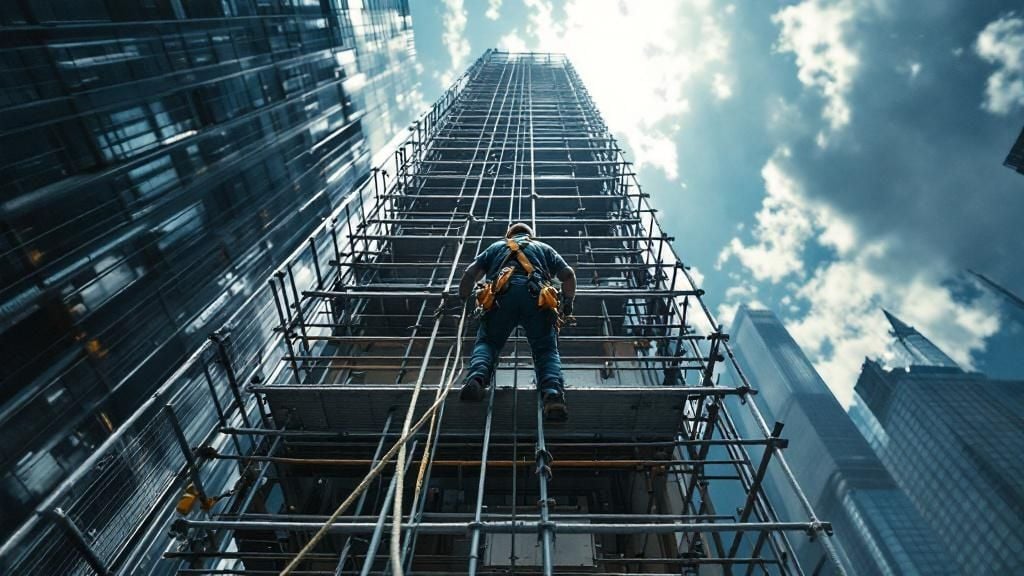
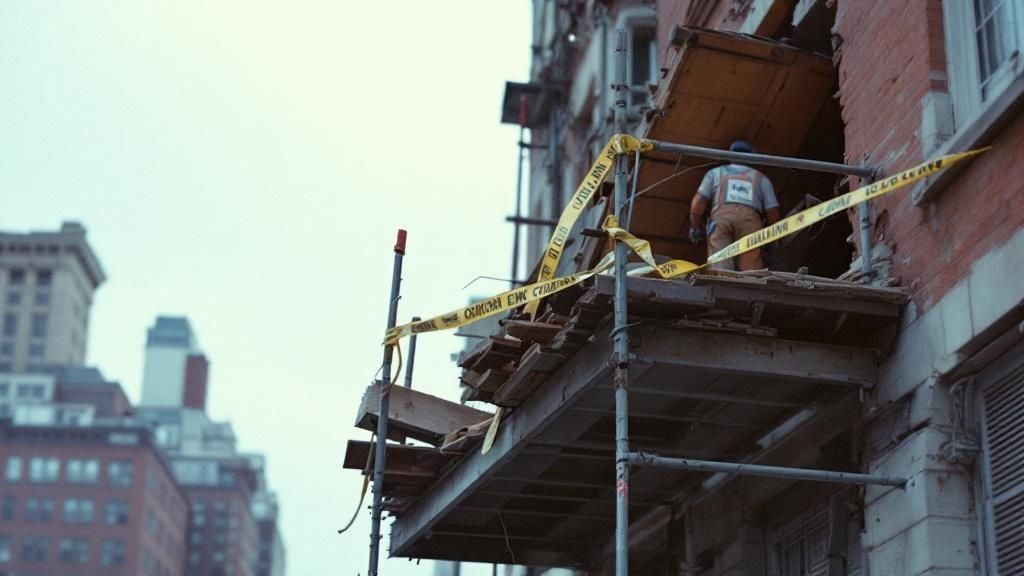
Construction in New York doesn't stop when temperatures drop. From Buffalo's lake-effect snowstorms to Manhattan's wind tunnels between towers, New York's construction workers face some of the harshest winter conditions in the country. These conditions transform routine tasks into dangerous operations and create hazards that don't exist in warmer months.
Understanding winter hazards—and your legal rights when they cause injury—is essential for every New York construction worker. Winter construction accidents typically result in settlements ranging from $350,000 to $2.8 million, with medical costs alone often exceeding $180,000 for hypothermia cases requiring intensive care.
How Winter Changes Construction Hazards
Cold weather doesn't just make work uncomfortable; it fundamentally changes the risk profile of construction activities. And these changes can turn a routine scaffold inspection into a $1.2 million spinal injury case when ice isn't properly cleared.
Ice and Snow Hazards:
Slippery walking and working surfaces
Ice buildup on ladders, scaffolds, and equipment
Snow hiding uneven surfaces and openings
Frozen rungs and handholds
Ice falling from structures above
Cold Temperature Effects:
Decreased dexterity making it harder to grip — resulting in tool drops that cause traumatic brain injuries and settlements of $800,000 to $3.5 million
Equipment malfunctions in extreme cold
Hypothermia and frostbite risks requiring emergency treatment costing $25,000 to $90,000
Impaired judgment as body temperature drops
Materials behaving differently in cold
Wind Hazards:
Windchill increasing cold exposure
Wind affecting ladder and scaffold stability under 29 CFR 1926.451
Gusts creating fall hazards at height
Crane operation restrictions
Debris and materials becoming projectiles
Visibility Issues:
Shorter daylight hours
Snow and ice glare
Fog and precipitation reducing sightlines — contributing to struck-by accidents that settle for $450,000 to $1.9 million
Fogged safety glasses and face shields
Shadows from low winter sun
Labor Law 240 in Winter Conditions
New York's Labor Law 240(1) applies year-round, regardless of weather conditions. Property owners and general contractors must provide adequate safety equipment for the conditions workers actually face—including winter conditions. But winter scaffold falls don't result in smaller settlements — they typically range from $750,000 to $4.2 million when vertebrae fractures occur.
What this means practically:
Slip hazards must be addressed. If ice on a scaffold or ladder contributes to a fall, the failure to provide safe conditions (ice removal, non-slip surfaces, alternative equipment) can trigger Labor Law 240(1) liability.
Weather doesn't excuse duty to protect. Property owners can't escape liability by blaming winter weather. If work proceeds in winter conditions, adequate protection must be provided under Labor Law 240(1).
The standards don't lower in winter. The same strict liability applies whether your accident occurs in July or January — and winter injuries often cost more, with hospital bills averaging $285,000 for cold-related complications.
All protective duties continue. Fall protection under 29 CFR 1926.501, protection from falling objects, proper equipment — all required regardless of temperature.
Required Winter Safety Measures
Responsible construction operations in winter should include measures that prevent the costly accidents we see every season — ladder falls resulting in $520,000 to $2.4 million settlements:
Site Preparation:
Snow and ice removal from walking and working surfaces per 29 CFR 1926.451(f)(1)
Sand, salt, or other traction materials where appropriate
Heating of critical work areas when possible
Covering of exposed scaffolds and platforms overnight
Regular monitoring and clearing of ice buildup
Equipment Modifications:
Non-slip surfaces added to platforms and scaffolds
Regular inspection of ladders and equipment for ice
Cold-weather gear for equipment (hydraulic systems, etc.)
Heated storage for equipment sensitive to cold
Alternative equipment when standard options are unsafe
Worker Protection:
Appropriate cold weather clothing and PPE under 1926.102
Warming stations and heated break areas
Rotation of workers to limit cold exposure
Training on hypothermia and frostbite recognition — because delayed treatment can add $45,000 to $120,000 in medical costs
Emergency protocols for cold-related incidents
Work Modifications:
Adjusting schedules to avoid coldest hours
Suspending work during dangerous conditions
Reducing maximum work periods in extreme cold
Requiring buddy systems for isolated work
Enhanced supervision during hazardous conditions
Specific Winter Hazards
Ladder Falls:
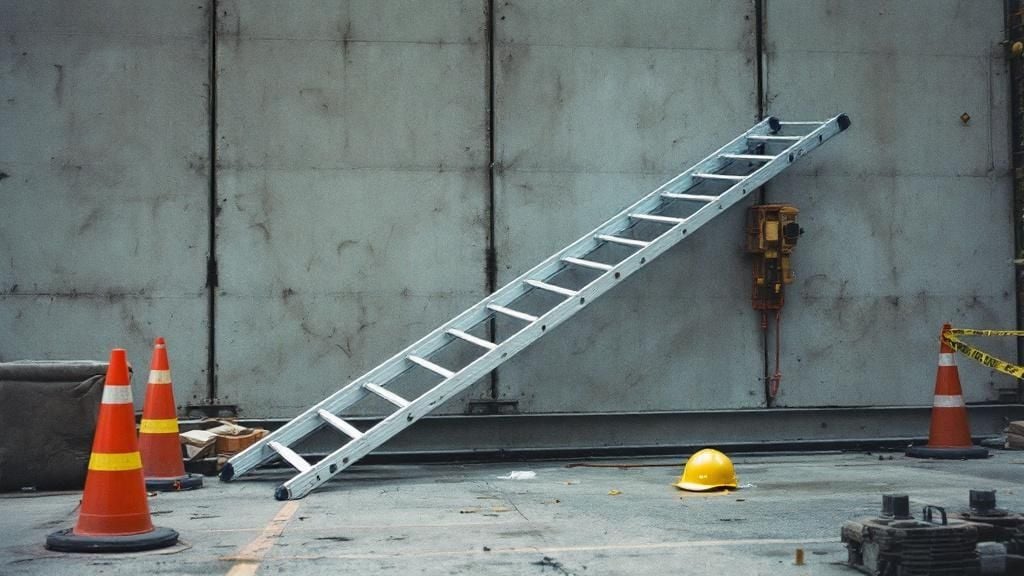
Ice on rungs eliminates traction — contributing to 2,764 ladder violations cited by OSHA in 2024
Hurt on a Construction Site?
Tell us what happened. A licensed New York attorney will review your case and call you — free, no obligation.
Ice buildup on platforms and guardrails violating 29 CFR 1926.451
Snow hiding gaps and hazards
Wind loading on enclosed scaffolds
Overnight ice formation creating morning hazards that result in fractures and $340,000 hospital bills
Roof Falls:
Ice-covered surfaces provide no traction
Snow hides openings and weak spots
Roof edges obscured by snow buildup
Ice dams creating unstable conditions
Struck by Ice and Snow:
Falling icicles from structures
Snow slides from roofs
Ice breaking free from equipment and cranes
Snow and ice thrown by machinery
Cold-Related Medical Emergencies
Beyond falls, cold weather creates additional health hazards that result in significant medical expenses:
Hypothermia:
Body temperature drops below safe levels
Confusion, drowsiness, slurred speech
Can occur even at temperatures above freezing with wind and wet
Life-threatening if not treated — emergency treatment costs range from $15,000 to $75,000
Frostbite:
Tissue damage from freezing
Fingers, toes, nose, and ears most vulnerable
Can result in amputation in severe cases with surgical costs exceeding $180,000
Numbness may mask injury severity
Cold Stress:
Shivering reduces control and increases accident risk
Impaired judgment from cold
Fatigue from body's effort to maintain temperature
Worsening of cardiovascular conditions
These conditions can both cause injuries directly and contribute to accidents by impairing worker performance.
Your Rights After a Winter Construction Injury
If you're injured in a winter construction accident:
Seek medical attention. Cold-related injuries may be more serious than they appear. Frostbite and hypothermia require proper medical evaluation — and early treatment can prevent complications that add tens of thousands to medical bills.
Document conditions. Photograph ice, snow, the equipment involved, and any safety equipment that was or wasn't provided. Note temperatures, wind conditions, and weather.
Report immediately. Ensure the accident is documented. Conditions change — snow melts, ice is cleared — so prompt reporting preserves evidence.
Identify witnesses. Co-workers who observed conditions or the accident itself.
Note what was and wasn't done. Was ice cleared? Were heated areas available? Was work stopped during dangerous conditions? Was equipment inspected for ice?
Consult an attorney. Winter condition cases often involve complex questions about what precautions were reasonable and whether adequate protection was provided. These cases can't wait — witness memories fade and evidence disappears.
The Employer's Obligations Don't Freeze
Some employers treat winter hazards as inevitable — as if workers should simply accept higher risk levels when temperatures drop. This is wrong both morally and legally. And it's expensive for them when Labor Law 240(1) claims result in settlements from $500,000 to $3.2 million.
Property owners and contractors must:
Assess winter conditions before work begins each day
Provide equipment and conditions appropriate for winter work under Labor Law 240(1)
Modify operations when conditions become dangerous
Provide warming stations and limit cold exposure
Train workers on winter hazards and precautions
The failure to take these steps, when it results in injury, can trigger Labor Law 240(1) liability just as surely as failing to provide a guardrail in July.
Building Through Winter — Safely
Construction work is dangerous enough in good conditions. Winter adds layers of hazard that require additional vigilance, planning, and resources to manage safely. When property owners and contractors cut corners on winter safety — rushing work despite icy conditions, failing to provide adequate cold weather protection, continuing operations when a reasonable employer would stop — workers pay the price.
Labor Law 240(1) exists to shift that cost back to those who control construction sites and make safety decisions. When winter hazards cause injury because adequate precautions weren't taken, injured workers have powerful legal rights. Winter construction accidents don't result in smaller settlements — traumatic brain injuries from ice-related falls still settle for $1.1 million to $4.8 million.
If you've been injured in a winter construction accident in New York, don't accept the excuse that "it's just winter." The law requires protection in all conditions. Make sure you understand your rights.
What cold weather protections must my employer provide on NYC construction sites?▼
Under NY Labor Law Section 241(6) and OSHA standards, employers must provide heated break areas, appropriate PPE for cold conditions, windbreaks, and ensure equipment functions safely in freezing temperatures. Failure to provide these protections can establish liability for injuries.
Can I get compensation if I'm injured due to icy scaffolding or ladders in winter?▼
Yes. NY Labor Law Section 240 requires owners and contractors to provide safe scaffolding and ladders regardless of weather. Winter ice injuries can result in settlements ranging from $100,000 to over $1 million depending on injury severity and circumstances.
How long do I have to file a lawsuit for a winter construction accident in NY?▼
You have 3 years from the accident date to file a personal injury lawsuit in New York. However, you should consult an attorney immediately as evidence can be lost and witness memories fade, especially with weather-related accidents.
What if my supervisor says winter conditions are just part of the job?▼
That's wrong. NY Labor Law Sections 240 and 241 require safe working conditions regardless of weather. Employers cannot use winter conditions as an excuse for unsafe sites. You have the right to refuse dangerous work and cannot be retaliated against.
Are there special OSHA rules for construction work in freezing temperatures?▼
Yes. OSHA requires employers to monitor workers for hypothermia and frostbite, provide training on cold stress prevention, ensure proper clothing, and modify work schedules during extreme cold. Violations can support your injury claim under NY Labor Law.
Get a Free Case Review
Find out if you have a claim under New York Labor Law. A licensed NY attorney will review your case and call you back.
The information in this article is for educational purposes only and does not constitute legal advice. Every case is unique. For advice about your specific situation, please consult with a qualified attorney. This is attorney advertising.