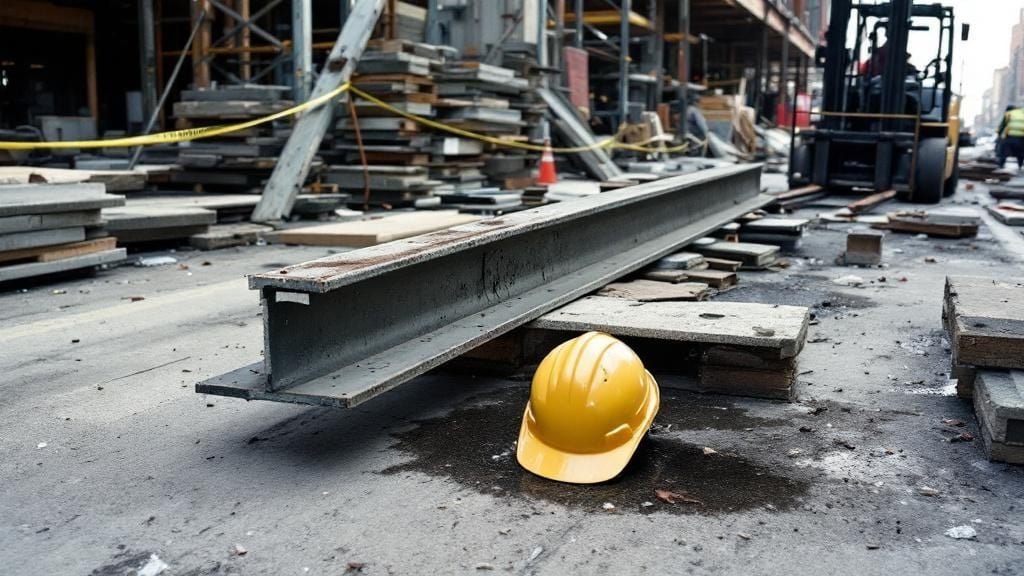
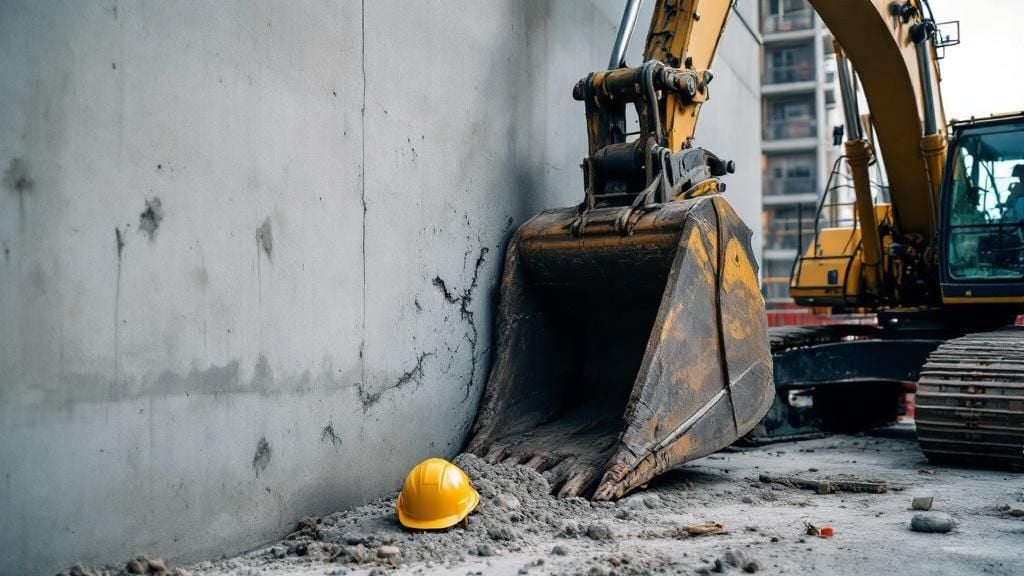
Construction workers at a New York building site
Full Compensation Protection

Construction Power Tool Injuries

Power tool injuries on New York construction sites cause devastating lacerations, amputations, and eye injuries every day. If you've been injured by a power saw, nail gun, grinder, or other power tool at work, Labor Law 241(6) and common law negligence may entitle you to significant compensation beyond workers' compensation.

The Hidden Dangers of Construction Power Tools

Power tools cause tens of thousands of serious construction injuries annually. These statistics from OSHA, BLS, and CPSC reveal the scope of power tool hazards on job sites.

400,000+
Power tool injuries yearly

Over 400,000 workers suffer power tool injuries annually in the United States, with construction workers accounting for a significant portion of these incidents.

37,000
Nail gun injuries per year

Approximately 37,000 nail gun injuries occur annually, with construction workers experiencing the highest rates. Nearly half require emergency room treatment.

30%
Involve lack of guards

OSHA estimates that 30% of power tool injuries involve missing, damaged, or improperly adjusted safety guards that should have prevented the injury.

12
Average lost workdays

Workers with serious power tool injuries lose an average of 12 workdays per incident, with severe cases involving permanent disability and months of recovery.

Understanding Construction Power Tool Injuries

Power tools are essential to modern construction, but their speed and force make them extremely dangerous when safety measures fail. Every day, construction workers suffer life-changing injuries from saws, nail guns, grinders, drills, and other powered equipment. These injuries range from deep lacerations to complete amputations, often occurring in an instant with devastating permanent consequences.

Types of Power Tool Accidents on Construction Sites

**Circular and table saw injuries** are among the most severe: - Finger and hand amputations from blade contact - Deep lacerations severing tendons and nerves - Kickback injuries throwing materials or workers - Eye injuries from flying debris and sawdust - Injuries from broken or thrown saw blades - Lacerations from improperly guarded blades

**Nail gun and staple gun injuries** are extremely common: - Penetrating wounds to hands, fingers, and limbs - Eye and face injuries from ricochets - Injuries from double-fires and contact triggers - Nails penetrating through materials into workers - Injuries when nails strike hidden objects and deflect - Fatal injuries from nails penetrating skull or vital organs

**Grinder and cutting tool injuries** cause severe harm: - Severe lacerations and degloving injuries - Eye injuries from grinding sparks and debris - Face and body injuries from disk breakage - Burns from grinding heat and sparks - Injuries from caught clothing or gloves - Amputations from angle grinder contact

**Drill and impact tool injuries** frequently occur: - Penetrating injuries from slipped drill bits - Wrist and arm injuries from drill torque - Hand injuries when bits grab and spin materials - Eye injuries from flying debris - Injuries from improperly secured workpieces

**Pneumatic tool injuries** from air-powered equipment: - Injuries from tool recoil and kickback - Hearing damage from compressed air - Eye injuries from air blast debris - Injuries from loose or broken hoses - Cuts and punctures from sharp attachments

Each of these scenarios can support significant legal claims against property owners, general contractors, equipment suppliers, and tool manufacturers who failed to ensure worker safety.

Common Causes of Power Tool Injuries

Most power tool injuries are entirely preventable with proper equipment, training, and supervision. Understanding the common causes helps establish liability and prevent future injuries.

Missing or Defective Safety Guards

Guards prevent contact with dangerous moving parts: - Removed blade guards on circular saws - Missing splitter/riving knives on table saws - Damaged or absent grinder wheel guards - Bypassed safety interlocks on equipment - Missing chuck guards on drills - Removed or defeated safety switches

Defective or Poorly Maintained Equipment

Equipment failures cause many power tool injuries: - Worn or damaged blades and cutting surfaces - Defective triggers allowing unintended activation - Malfunctioning brakes that don't stop blades - Damaged power cords creating electrical hazards - Faulty nail gun contact safeties - Worn bearings causing vibration and loss of control

Inadequate Training

Workers need proper instruction on each tool: - Operating tools without formal training - Lack of training on specific safety features - No instruction on proper blade or bit selection - Unfamiliarity with kickback prevention - Not trained on emergency stop procedures - No training on proper personal protective equipment

Unsafe Work Practices

Poor work methods increase injury risk: - Removing guards for "convenience" - Using wrong tool for the task - Working in awkward positions - Rushing to meet production demands - Not securing workpieces properly - Using dull blades or bits requiring excess pressure

Workplace Hazards

Environmental conditions contribute to injuries: - Poor lighting making it difficult to see work - Cluttered work areas causing trips and loss of control - Wet or slippery surfaces affecting stability - Improper workstation setup and heights - Electrical hazards in work areas - Inadequate ventilation causing fatigue

Nail Gun Specific Hazards

Nail guns require special attention: - Using contact triggers instead of sequential triggers - Double-fires from recoil and contact triggers - Nails penetrating thin materials into workers - Ricochets from hard surfaces and knots - Lack of proper firing angle training - Insufficient distance between workers

Types of Power Tool Injuries

Power tool injuries range from minor cuts to catastrophic amputations. Understanding the types and severity helps document your case and pursue appropriate compensation.

Amputations and Severe Lacerations

The most devastating power tool injuries: - Complete amputation of fingers, hands, or limbs - Partial amputations requiring surgical completion - Deep lacerations severing tendons, nerves, and blood vessels - Degloving injuries stripping skin from underlying tissue - Injuries requiring extensive reconstructive surgery - Wounds causing permanent loss of function

Even with advanced surgical techniques, many amputation injuries result in permanent disability affecting work capacity and quality of life.

Eye Injuries

Flying debris and particles cause serious eye damage: - Corneal abrasions from dust and particles - Penetrating eye injuries from metal fragments - Chemical injuries from coolants and lubricants - Flash burns from grinding sparks - Retinal damage from bright light exposure - Permanent vision loss or blindness

Penetrating Wounds

Nail guns and sharp tools cause deep punctures: - Nail penetration through hands and fingers - Drill bit punctures and penetrating injuries - Screwdriver and sharp tool stab wounds - Internal organ damage from deep penetration - Injuries requiring surgical removal of embedded objects - Infections from contaminated puncture wounds

Crush and Fracture Injuries

Impact and caught-between scenarios: - Crushed fingers from presses and crimpers - Fractures from impact tools and falling equipment - Caught-between injuries in machinery - Injuries from dropped power tools - Fractures from kickback and tool recoil

Burns

Heat and friction cause burn injuries: - Friction burns from spinning tools - Burns from hot metal after cutting or grinding - Electrical burns from defective equipment - Flash burns from sparks and hot debris - Chemical burns from coolants and solvents

Hearing Damage

Prolonged exposure to power tool noise: - Noise-induced hearing loss - Tinnitus (ringing in ears) - Temporary and permanent hearing impairment - Acoustic trauma from impact tools - Hearing damage from pneumatic equipment

Nerve and Vascular Injuries

Damage to internal structures: - Severed nerves causing numbness and weakness - Vascular injuries causing blood loss and tissue death - Carpal tunnel syndrome from vibration exposure - Hand-arm vibration syndrome (HAVS) - Chronic regional pain syndrome (CRPS)

Need help understanding your case?

Free, confidential consultation—no obligation.

Free Case Review

Legal Protections for Power Tool Injury Victims

New York provides multiple legal protections for workers injured by power tools on construction sites. Understanding these laws is essential to maximizing your recovery.

Labor Law 241(6) - Industrial Code Violations

Labor Law 241(6) requires property owners and general contractors to comply with specific Industrial Code regulations. For power tool cases, relevant regulations include:

  • **12 NYCRR 23-1.12** - Hand tools, guards required on power tools
  • **12 NYCRR 23-1.5** - General responsibility for safe tools and equipment
  • **12 NYCRR 23-1.8** - Eye protection requirements
  • **12 NYCRR 23-9.2** - Power-operated equipment requirements

Violations of these codes establish negligence per se, meaning the violation itself proves negligence without requiring additional evidence.

Labor Law 200 and Common Law Negligence

Property owners and general contractors have a duty to provide a safe workplace: - Providing properly maintained tools - Ensuring all safety guards are in place - Training workers on tool operation - Supervising safe work practices - Maintaining safe working conditions - Providing adequate personal protective equipment

OSHA Violations as Evidence

OSHA has thorough power tool regulations that support claims: - **29 CFR 1926.300** - General hand and power tool requirements - **29 CFR 1926.301** - Specific hand tool requirements - **29 CFR 1926.302** - Power-operated hand tools - **29 CFR 1926.303** - Abrasive wheels and tools - **29 CFR 1926.304** - Woodworking tools

OSHA violations don't create a private right of action, but they're powerful evidence of negligence.

Product Liability Claims

Defective power tools may support claims against manufacturers: - Design defects making tools unreasonably dangerous - Manufacturing defects in individual tools - Failure to include adequate safety features - Inadequate warnings about tool dangers - Defective guards and safety mechanisms

Third-Party Claims Beyond Workers' Comp

You may sue parties beyond your employer: - Property owners who controlled the worksite - General contractors who supervised work - Equipment rental companies providing defective tools - Tool manufacturers and distributors - Subcontractors whose negligence caused your injury

Proving Your Power Tool Injury Case

Successfully pursuing a power tool injury claim requires thorough investigation and documentation. Here's what's needed to build a strong case.

Preserving Critical Evidence

Immediately after the injury (or as soon as possible): - Photograph the tool that caused the injury - Document any missing or damaged guards - Preserve the tool for expert inspection - Photograph the work area and conditions - Document your injuries with photographs - Identify witnesses and get contact information - Request copies of all incident reports

Obtaining Documentation

Records that support your claim: - Tool maintenance and inspection logs - Training records for the injured worker - Safety inspection reports for the job site - OSHA 300 logs showing prior injuries - Safety meeting minutes and training materials - Purchase or rental records for the tool - Manufacturer's safety instructions and warnings

Medical Evidence

thorough medical records are essential: - Emergency room records and initial treatment - All surgical reports and operative notes - Imaging studies (X-rays, CT scans, MRIs) - Hand surgery and microsurgery consultations - Physical and occupational therapy records - Documentation of any prosthetic needs - Long-term prognosis from treating physicians

Expert Witnesses

Power tool cases often require expert testimony: - Safety engineers on industry standards - Tool design experts on defects - OSHA compliance specialists - Medical experts on injuries and prognosis - Economists for lost wages and earning capacity - Vocational experts on disability impact - Life care planners for future needs

Establishing Liability

You must prove negligence caused your injury: - Identify specific OSHA or Industrial Code violations - Document missing or defective safety guards - Show inadequate training or supervision - Prove tool was defective or poorly maintained - Establish defendant's control over the work area

Overcoming Common Defenses

Defendants may argue: - **Worker removed the guard**: Question whether supervision was adequate - **Worker was trained**: Examine quality and adequacy of training - **Tool was properly maintained**: Demand maintenance records - **Worker was negligent**: Comparative fault reduces but doesn't eliminate recovery

An experienced construction accident attorney can anticipate and counter these defenses.

Need help understanding your case?

Free, confidential consultation—no obligation.

Free Case Review

Compensation for Power Tool Injuries

Power tool injuries often result in significant compensation due to the permanence of amputations and the impact on work capacity. Understanding available damages helps you make informed decisions.

Workers' Compensation Benefits

All injured workers receive workers' comp regardless of fault: - Full coverage of reasonable medical expenses - Wage replacement benefits (typically 2/3 of average weekly wage) - Scheduled loss of use awards for amputations and permanent injuries - Vocational rehabilitation if unable to return to prior work - Death benefits for surviving family members

Workers' comp provides important benefits but doesn't cover pain and suffering.

Third-Party Lawsuit Damages

Lawsuits against property owners, contractors, or manufacturers provide:

Economic damages:

Past and future medical expenses

Surgical costs and hospitalization

Physical and occupational therapy

Prosthetics and assistive devices

Past and future lost wages

Reduced earning capacity

Home modification expenses

Vocational rehabilitation costs

Non-economic damages:

Pain and suffering

Emotional distress and trauma

Loss of enjoyment of life

Disfigurement from amputations

Phantom limb pain

Loss of consortium (for spouses)

Settlement Ranges for Power Tool Cases

Power tool injury settlements vary based on severity: - Moderate lacerations with recovery: $50,000 - $200,000 - Serious lacerations with nerve damage: $150,000 - $500,000 - Single finger amputation: $200,000 - $750,000 - Multiple finger amputations: $500,000 - $2,000,000+ - Hand or partial hand amputation: $1,000,000 - $5,000,000+ - Eye injuries with vision loss: $500,000 - $3,000,000+ - Arm amputations: $2,000,000 - $10,000,000+

Factors Increasing Case Value

Several factors significantly increase compensation: - Dominant hand affected (greater work impact) - Multiple digits or limbs involved - Young age of victim (longer life with disability) - High pre-injury income - Clear safety violations by defendant - Missing or removed safety guards - Prior incidents ignored by employer - Trade-specific impact (e.g., carpenter losing fingers)

New York has no cap on damages in construction injury cases, allowing full recovery for all documented harm.

*Settlement amounts vary based on injury severity, jurisdiction, and case facts. Figures reflect reported NY construction verdicts. Source: NY State court records. Your case may differ significantly.*

Preventing Construction Power Tool Injuries

Property owners, general contractors, and employers have legal duties to prevent power tool injuries. Failure to implement these measures can establish liability.

Tool Selection and Maintenance

Providing safe equipment is fundamental: - Use tools appropriate for the specific task - Maintain all safety guards in proper condition - Conduct regular tool inspections and maintenance - Replace worn or damaged tools promptly - Use properly sharpened blades and bits - Ensure all safety features are functioning

Guard Requirements

Safety guards prevent many serious injuries: - Never remove or bypass blade guards - Ensure splitter/riving knives are installed on table saws - Maintain grinder wheel guards at proper positions - Keep drill chuck guards in place - Verify guard effectiveness before each use - Replace damaged guards immediately

Personal Protective Equipment

Required PPE for power tool operations: - Safety glasses or goggles for all power tool work - Face shields for grinding and cutting - Hearing protection for loud tools - Cut-resistant gloves where appropriate (not near rotating tools) - Steel-toed boots for heavy equipment - Dust masks or respirators for cutting operations

Training Requirements

Workers must be trained before using power tools: - Formal instruction on each type of tool - Hands-on training with supervision - Training on specific safety features - Instruction on proper blade and bit selection - Emergency procedures and first aid - Refresher training as needed

Nail Gun Safety

Specific measures for nail gun safety: - Use sequential triggers, not contact triggers - Never point at anyone, loaded or not - Use proper angle and depth settings - Check for hidden objects before firing - Maintain safe distances between workers - Disconnect air when not in active use

Work Area Safety

Environmental controls prevent injuries: - Adequate lighting for precision work - Clean, organized work areas - Proper workstation setup and heights - Secure workpieces before cutting - Clear debris and trip hazards - Proper ventilation for dust and fumes

What To Do After a Power Tool Injury

If you've been injured by a power tool on a construction site, taking the right steps can protect your health and legal rights.

Immediate First Aid

For severe bleeding: - Apply direct pressure to the wound - Elevate the injured area if possible - Do not remove embedded objects - For amputations, wrap the severed part in damp cloth and keep cool - Never place severed parts directly on ice - Call 911 immediately for serious injuries

For eye injuries: - Do not rub or apply pressure - Do not attempt to remove embedded objects - Flush with clean water if chemicals or particles involved - Cover both eyes to prevent movement - Seek emergency medical care immediately

Seek Medical Attention

Even "minor" power tool injuries need evaluation: - Deep cuts may damage tendons or nerves - Puncture wounds carry high infection risk - Eye injuries can cause delayed vision problems - Some injuries require specialized treatment - Document all symptoms and limitations - Follow all treatment recommendations

Preserve Evidence

Critical for your legal claim: - Do NOT return the tool to service - Request the tool be preserved for inspection - Photograph the tool from all angles - Document any missing or damaged guards - Photograph the work area and conditions - Keep all damaged clothing and PPE - Photograph your injuries throughout recovery

Document Everything

Build your case from day one: - Write detailed notes about what happened - Record names of all witnesses - Note any safety violations you observed - Document all medical treatment - Track lost work and wages - Journal your symptoms and limitations daily

Report the Accident

Ensure proper documentation: - Report to supervisor immediately - File written incident report with employer - OSHA requires reporting amputations within 24 hours - Request copies of all reports filed - Document if employer minimizes incident - Note if tool is put back in service

Protect Your Legal Rights

Preserve your options for recovery: - Do not give recorded statements to insurance without legal advice - Do not sign anything without understanding it - File workers' compensation claim promptly (C-3 form) - Contact an experienced construction accident attorney - Do not accept quick settlement offers without review - Do not discuss the accident on social media

Workers' Compensation Filing

Protect your right to benefits: - File C-3 form with Workers' Compensation Board - You have two years to file but act immediately - Benefits include medical treatment and wage replacement - Scheduled loss of use for amputations and permanent injuries - Accepting workers' comp does not prevent third-party lawsuit - Follow all treatment recommendations to protect claim

Key Facts About Power Tool Injuries

Over 400,000 power tool injuries occur annually

37,000 nail gun injuries happen each year

30% of injuries involve missing or defective guards

OSHA requires training on each power tool type

Common Safety Violations

Removed or missing blade guards

Defective or worn equipment

No operator training provided

Using wrong tool for the task

Contact triggers on nail guns

No eye protection provided

Frequently Asked Questions About Power Tool Injuries

Get answers to common questions about power tool injury claims and legal protections.

Injured by a Power Tool on a Construction Site?

Power tool injuries cause devastating, often permanent harm that changes lives in an instant. If you've been injured by a saw, nail gun, or other power tool at work, a free consultation can help you understand your options. There's no obligation—just answers when you need them most.

24/7 Free Consultation
No Fee Unless You Win

This page is for informational purposes only and does not constitute legal advice. Every case is unique. For advice about your specific power tool injury case, please consult with a qualified attorney. This website is operated by NY Construction Advocate, a licensed New York attorney. This is attorney advertising.

Call NowFree Case Review