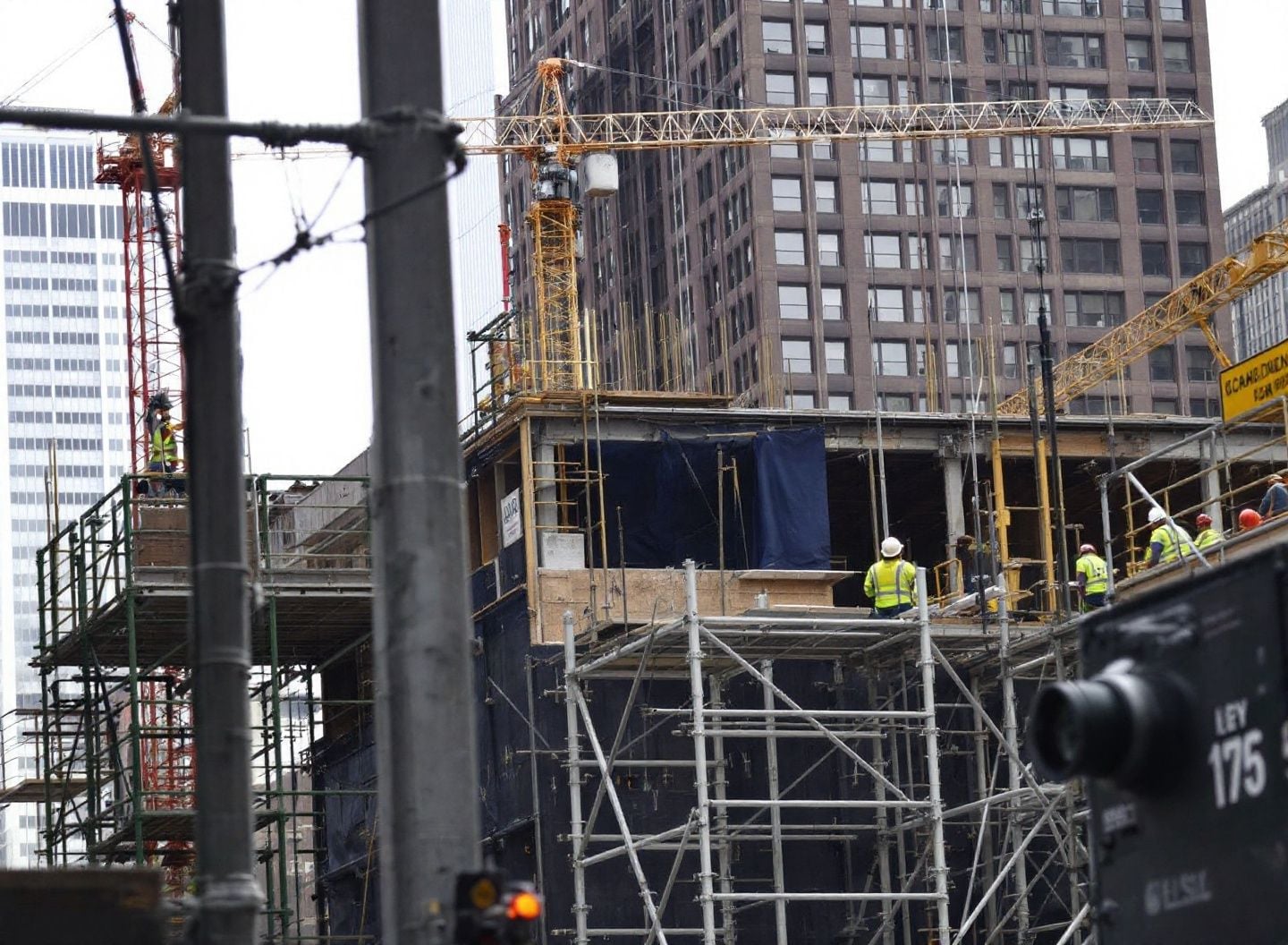
Electrocution on NY Construction Sites: Employer Liability Under NY Law
Electrocution is one of the most serious hazards on any New York construction site. Here's what the law requires of employers and what injured workers need to know.
Expert insights on Labor Law 240, construction safety, worker rights, and legal guidance for New York construction workers.
Showing 24 of 167 published articles (24 per page) · Page 4 of 7.

Electrocution is one of the most serious hazards on any New York construction site. Here's what the law requires of employers and what injured workers need to know.

A spoil pile is the dirt dug out of a trench and piled beside it. New York's Industrial Code says it must sit at least 24 inches back from the edge. Here is what the rules require and why a pile at the edge is dangerous.

Deep excavations can turn deadly in seconds when oxygen levels drop or flammable gas builds up. Here's what New York law says about keeping workers safe underground—and what happens when it fails.

Water seeping into an open trench isn't just a nuisance — it's a structural threat that can collapse trench walls in minutes. Here's what New York law says about it and why workers get hurt.

When a shovel or excavator bucket hits a buried gas line, electric cable, or water main, the results can be catastrophic. This guide explains the injury mechanisms, the safety rules that apply, and the legal claims available to New York construction workers.

A trench collapse may support a New York § 241(6) claim when a specific applicable Industrial Code subsection was violated, that violation amounted to negligence by a project party, and it proximately caused injury; comparative fault may reduce recovery.

A trench collapse can happen in seconds and bury a worker under hundreds of pounds of soil. Here's what New York law requires—and what your rights are when those protections are missing.

Trench collapses kill and maim workers in seconds. Here's how federal OSHA standards and New York labor law combine to protect excavation workers and hold negligent employers accountable.

When a construction worker dies from a fall or other site injury in New York, two separate legal claims may arise. Understanding the difference between a survival action and a wrongful death claim can shape how a family pursues justice.

When a trench collapse kills a construction worker in New York, the family is left with grief and financial uncertainty. Multiple legal paths exist, and knowing how they work together matters.

When a construction worker is killed on a New York job site, strict legal rules govern who can sue, who recovers money, and how any proceeds are divided among surviving family members under New York's Estates, Powers and Trusts Law.

When a construction worker is killed on a New York job site, surviving family members can't simply step into the worker's shoes and sue for pain and suffering. New York's wrongful-death law works differently, and understanding the gap matters enormously.

Height-related falls are among the most devastating events in New York construction. When a fall is fatal, surviving family members have distinct legal rights under wrongful-death law and the state's powerful Labor Law 240.

When a construction worker is killed on the job in New York, surviving family members have several legal paths available to them—wrongful death claims, workers' compensation death benefits, and third-party lawsuits each serve different purposes and carry different rules.

When a crane boom or load line contacts an energized power line, workers face simultaneous electrocution and crush injuries. Here's what New York law says about employer responsibility.

When a crane load swings or a rigging component fails, ground crew and signal persons absorb the full force. Here's what New York law says about their rights and protections.

Improper outrigger deployment and soft or compromised ground are among the leading causes of mobile crane tip-overs on New York construction sites. Here's what workers and their families need to know.

Tower crane collapses on New York high-rises kill and injure workers with little warning. Understanding the causes, the regulations, and the legal claims available is essential for anyone working at height in the city.

Two-blocking and crane load drops are among the most violent, preventable events on New York construction sites. Here's what workers and families need to know about the mechanics and the law.

When pipes, lumber, or concrete blocks are stacked without proper securing, they can collapse without warning. New York law offers significant protections for workers struck by falling materials.

When rigging hardware fails and a hoisted load drops, New York workers can suffer catastrophic injuries. Here's what the law requires, why these accidents happen, and what injured workers should know.

When a tool or piece of hardware falls from an upper floor and strikes a worker below, New York's Scaffold Law may give that worker powerful legal protections. Here's what you need to know.

Falling objects injure thousands of construction workers every year. Here's how New York's Labor Law 240, the Industrial Code, and federal OSHA standards work together to require debris netting, toe-boards, and overhead protection on job sites.

Every year, workers across New York City are seriously injured when tools, materials, or debris fall from above. Here's what the law says and what you should do next.
Every case is different. If you've been injured on a construction site, we can help you understand your options—free and confidential.
Get Free Case ReviewThe information in this blog is for educational purposes only and does not constitute legal advice. Every case is unique. For advice about your specific situation, please consult with a qualified attorney. This is attorney advertising.